Family-owned in Arlington since 1984Serving homeowners across Dallas–Fort Worth

Attic Insulation for a Cooler House

Attic insulation (blown-in, spray foam and radiant barrier) for Dallas–Fort Worth homes that run hot upstairs in August or cold in a freeze. A well-insulated house holds its temperature instead of chasing it, and the bill drops as a side effect.

  • Since 1984Family-owned, one office in Arlington
  • 15,000+North Texas homeowners served
  • AndersenCertified contractor for windows and doors
  • Four SeasonsAuthorized sunroom distributor

Which attic insulation does your house need?

Attic insulation slows the movement of heat between the roof and the rooms below, and in North Texas the summer sun is what it has to fight. The right type depends on the attic you already have. Blown-in insulation adds depth over the attic floor, spray foam also seals gaps and leaks, and a radiant barrier reflects heat coming off the underside of the roof.

Start with a look at what is up there now: how deep the old insulation is, whether it is wet or matted, and whether air is leaking around lights, ducts or the attic access. Insulation over a leak or a gap does less than you would expect, so sealing often comes first. Older houses with thin or settled insulation usually have the most to gain, and a recently insulated attic may not need more.

How Do Spray Foam, Blow-In and Radiant Barrier Compare?

Most DFW attics are under-insulated for the climate. We’ll get up there, tell you what’s actually in place, and recommend the approach that pays back fastest for your house.

Spray foam insulation being installed in an attic

Spray Foam Insulation

Highest Performance

Expanding foam that seals as it insulates, getting into the gaps and penetrations that batts simply bridge over. The strongest option where air leakage is the real problem.

  • Seals air leaks and insulates in a single application
  • Reaches awkward gaps, joints and penetrations
  • Helps keep ductwork in the attic closer to room temperature
Air sealHigh R-valueGap filling
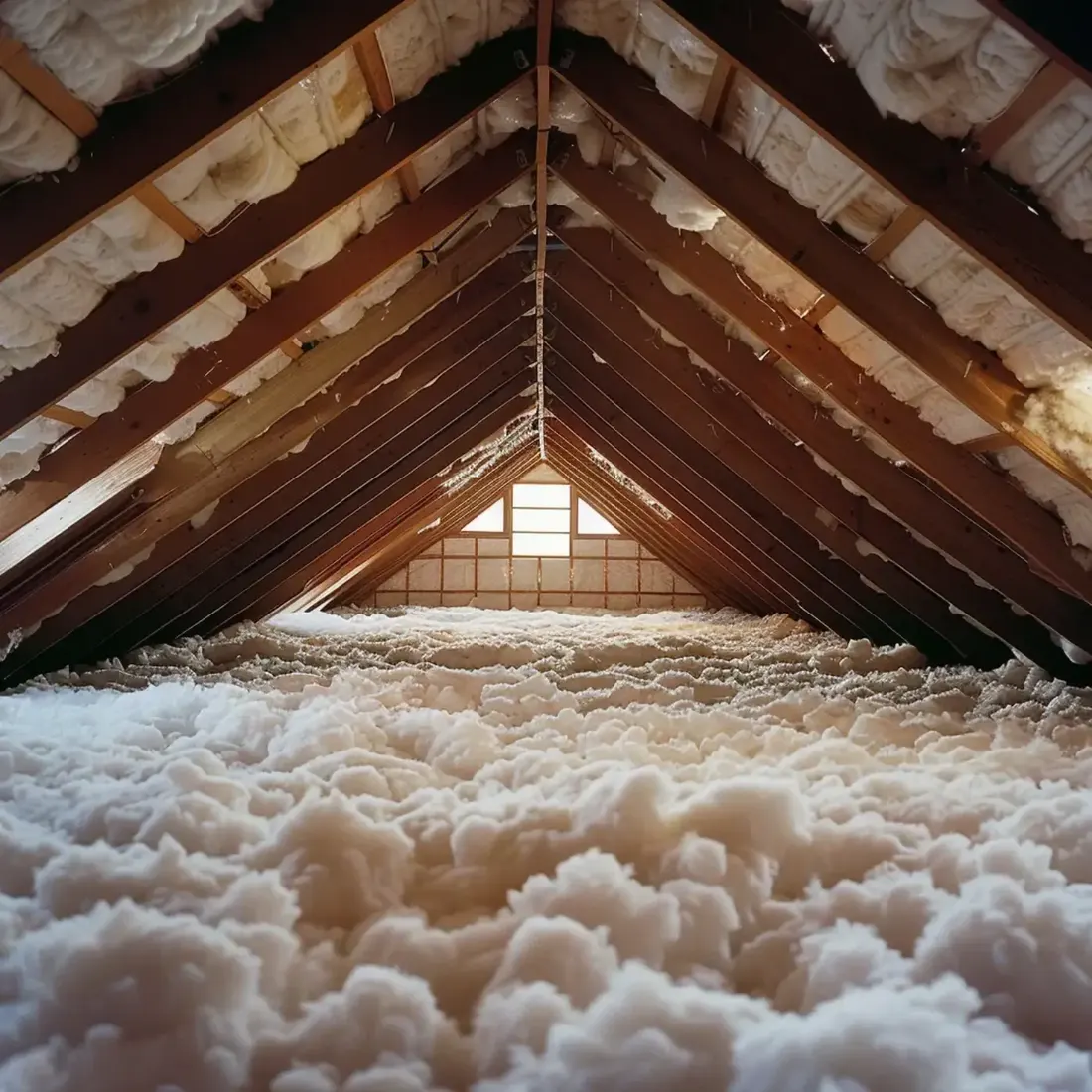
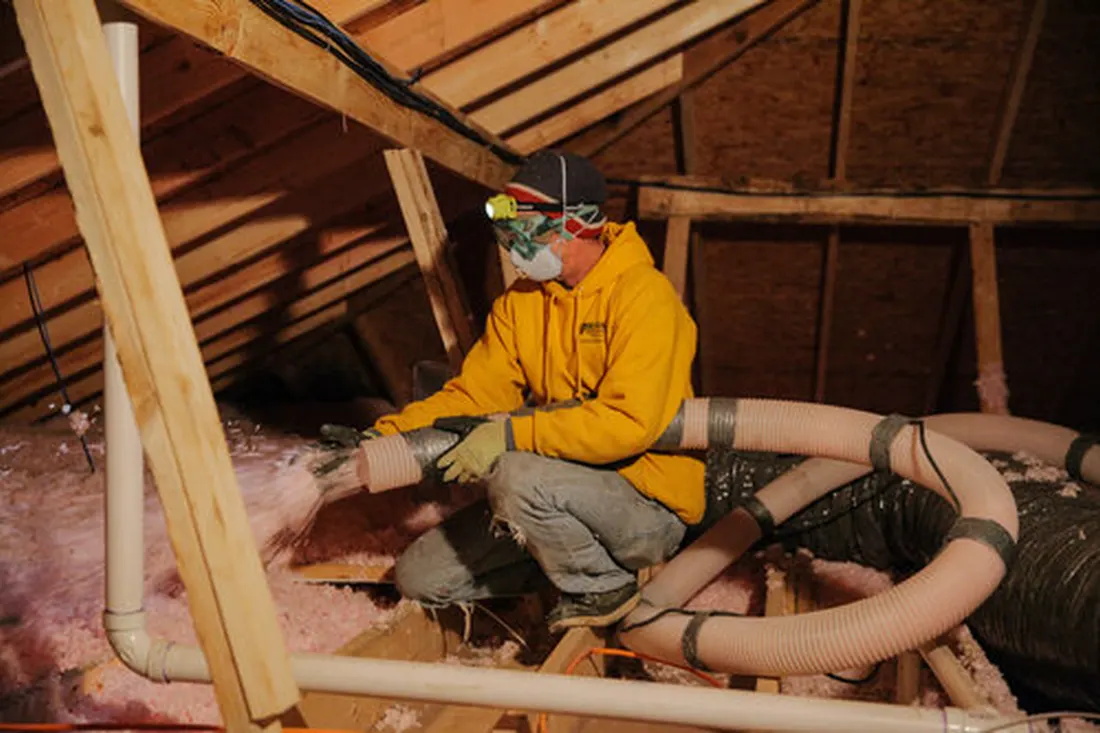
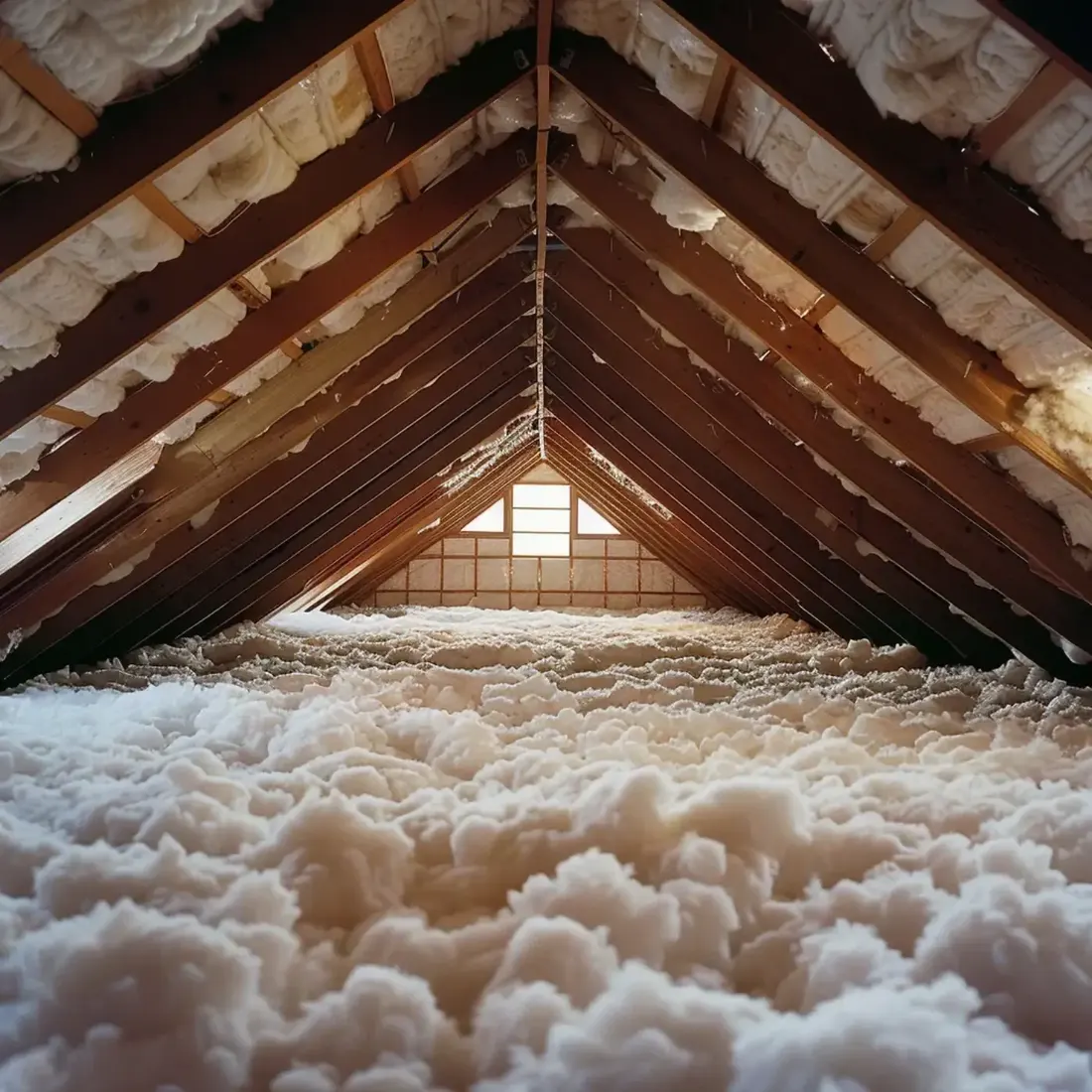
Evenly blown cellulose insulation across a Texas attic floor

Blow-In Attic Insulation

Best Coverage

Loose-fill blown across the attic floor to an even, consistent depth. The most practical way to top up an attic that was under-insulated when the house was built.

  • Fills evenly around existing framing
  • Straightforward way to top up existing insulation
  • Fast to install with minimal disruption inside
Even coverageTop-up friendlyFast install
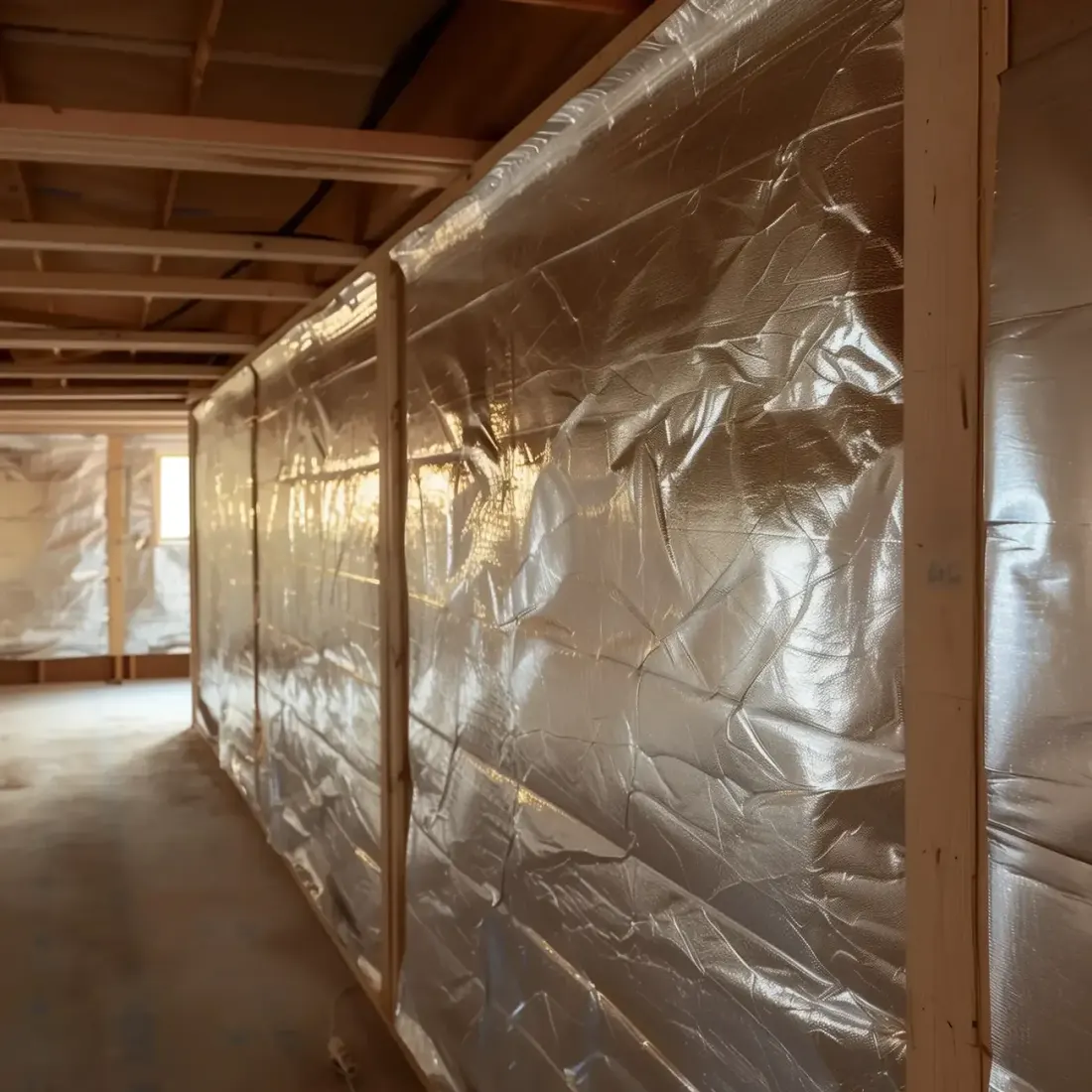
Reflective radiant barrier neatly lining the underside of a roof deck

Radiant Barrier / Liquid Foil

Texas Specific

A reflective layer applied to the underside of the roof deck. It pushes radiant heat back out before it ever loads into the attic. That matters a lot in a North Texas summer.

  • Reflects radiant heat away from the attic space
  • Particularly effective through DFW summers
  • Works alongside your existing attic insulation
ReflectiveSummer focusedComplementary

Which attic upgrade does your house need?

OptionWhat it doesBest when
Spray foamSeals air leaks and insulates in one application, reaching gaps that batts bridge overAir leakage is the real problem, or ductwork in the attic runs hot
Blow-inLoose fill spread across the attic floor to an even depthThe attic is simply short of insulation, which describes most DFW attics
Radiant barrierA reflective layer under the roof deck that pushes radiant heat back outThe attic runs hot all summer; it works alongside existing insulation, not instead of it

Before You Commit to Attic Insulation

  • Find the real problem first. Heat that loads the attic, air leaking through gaps, and thin coverage are three different problems with three different fixes.
  • Depth and coverage matter more than brand. Even, measured depth across the whole attic floor is what performs; a thick patch near the hatch does nothing for the far corner.
  • Seal before you insulate. Air sealing penetrations first means the material can do its job instead of filtering air on its way through.

How an Insulation Project Runs

  1. 1

    A free attic assessment

    We get into the attic, look at what is up there, check the depth and coverage, and price the work to reach the level you want.

  2. 2

    Prep and protection

    Baffles, air sealing and protection for the run of the house go in first, so the insulation performs and the rest of the house stays clean.

  3. 3

    Installed to depth

    Material goes in to an even, measured depth across the whole attic floor or roof deck, not just where it is easy to reach.

  4. 4

    Walkthrough and warranty

    We show you the finished depth and coverage, leave a note of what was installed where, and back the work.

Insulation: common questions

Spray foam seals air leaks as it insulates, so it’s best when the attic is leaky. Blow-in is the practical way to top up an under-insulated attic. We’ll tell you which one pays back faster for your house.

Most DFW attics are under-insulated for the climate. Bringing them up to standard usually shows up on the very next summer bill, and the house holds temperature more evenly.

Attic work happens above you. It takes a day or less for most homes, with minimal disruption inside.

Plan to be out while the foam is applied and while it cures. We’ll tell you the timing for your job before we start.

We go up and look for where air is getting through: gaps around top plates, open chases, recessed lights, the hatch, and daylight at the eaves. We also note where the ducts and air handler sit and how the attic is vented, because foam on the roof deck changes how the attic works. We’ll show you photos of what we found.

When foam goes on the underside of the roof deck, the attic is usually treated as a sealed space rather than a vented one, so the vents are closed off as part of the job. That is a change to how the house works, which is why we look at the HVAC and roof before recommending it.

Free in-home estimate

A specialist visits, measures and talks through what you need. No obligation.

Get My Free Estimate (469) 949-5909
  • Family-owned since 1984
  • Permits handled with your city
  • Financing up to 100%

What drives the cost of attic insulation?

Attics differ more than people expect, so the number comes from looking at yours.

  • The type. Blown-in, spray foam and radiant barrier are different products and different jobs.
  • The size and shape of the attic. A low, tight or chopped-up attic takes longer to work in.
  • Removing old material. Wet, matted or damaged insulation may need to come out first.
  • Sealing. Closing gaps around lights, ducts and the attic access adds work and is often worth it.

We do not publish a price list, because these change the number more than the product does. The free in-home estimate puts your numbers in writing.

Page last updated November 1, 2026.

Get an Estimate on Attic Insulation

Tell us what you have in mind and we’ll come measure, talk options and give you a straight number. No obligation, no pressure.

  • Family-owned since 1984. More than 15,000 North Texas homeowners served.
  • Permits handled. We work with your city so the schedule doesn’t stall.
  • Comprehensive warranty plus financing for various credit levels, up to 100%.
Call (469) 949-5909

Get Your Free Estimate

4.4 on Google from 206 reviewsFamily-owned since 1984

Please enter your name.
Enter a 10-digit US phone number.
Use 5 digits.
Enter your street address, with the house number.
Please choose what you’re planning.
Please choose an image under 8 MB.

Thanks, we’ve got it

Here is what happens next:

  1. We call you within one business day.
  2. Free on-site visit to measure and talk options.
  3. A firm written estimate. No obligation.

Need us sooner? Call (469) 949-5909.

Call Get a Free Estimate