
Insulated Siding Maintenance Tips Every Homeowner Should Know

Your home's exterior takes a beating year-round — sun, rain, wind, and everything in between. Insulated siding holds up better than most traditional materials, but that doesn't mean you can just forget about it. A bit of routine care keeps it looking good and doing its job for a lot longer.
The nice thing about insulated siding is that it really doesn't ask much of you. Still, cleaning it now and then and giving it a once-over every so often makes a real difference over the years. Whether you just had insulated siding installed or you're still weighing whether to upgrade, here's what actually helps.

9 Insulated Siding Maintenance Tips Every Homeowner Should Know
1. Clean Your Siding at Least Twice a Year
Dirt, pollen, and general grime pile up on your siding whether you notice it or not. Washing it down every six months or so keeps stains from setting in and just makes the house look cared for.
A garden hose, a soft-bristle brush, and some mild soap and warm water will do the trick. Scrub the dirtier spots, rinse well, and skip anything abrasive — harsh cleaners or stiff brushes can chew up the finish.
If your house sits near a busy road or under a lot of trees, you'll probably want to clean more often than the average home.
2. Skip the Pressure Washer (Mostly)
It's tempting to blast the siding with a pressure washer and call it done, but too much force can push water behind the panels. Once moisture gets trapped back there, mold and water damage aren't far behind.
Stick to a garden hose, or if you do use a pressure washer, keep it on the lowest setting the manufacturer recommends. And always spray downward, never up — that's the easiest way to keep water from sneaking behind the panels.
3. Check for Damage After Bad Weather
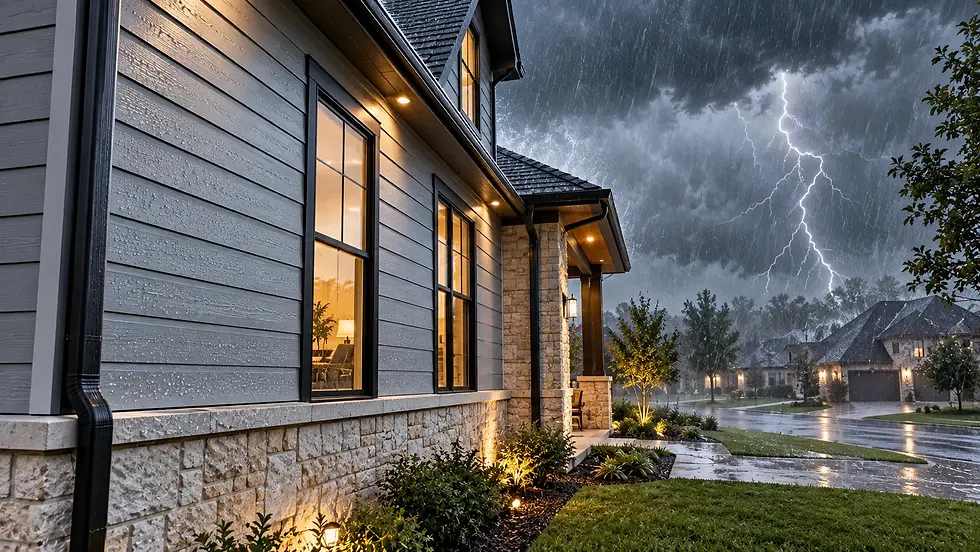
Storms and high winds can do a number on siding, even the durable stuff. After a rough storm rolls through, take a walk around the house and look for:
Loose panels
Cracks or dents
Warping
Missing trim
Catching these early saves you from bigger repairs down the road. If something looks off, it's worth calling in experienced insulated siding installers in DFW before moisture has a chance to work its way in.
4. Keep Plants and Branches Away from the Walls
Landscaping can make a home look great, but not when it's pressed right up against the siding. Branches rub and scratch, and overgrown shrubs trap moisture that invites mildew.
Trim things back and leave a few inches of breathing room between your plants and the exterior wall. It also helps air circulate better around the house and makes it a lot easier to spot problems when you're inspecting.
5. Look at the Caulking Around Windows and Doors
Your siding doesn't work alone — the caulking around windows, doors, and trim is part of the same weatherproofing system. Over time, that caulk can crack, shrink, or pull away from the surface.
Take a look once or twice a year and reseal anything that's cracked or gapping. Good caulking keeps water out and helps your siding do its job on the energy-efficiency front too.
6. Deal with Mold and Mildew Right Away
If your home sits somewhere humid or shady, you might spot mold or mildew on the exterior from time to time. The good news is insulated siding resists moisture better than a lot of other materials, so cleanup is usually pretty easy.
Mild detergent and water handles most surface mildew. For tougher spots, use whatever cleaner your siding manufacturer recommends. Just go easy on bleach — strong concentrations can discolor the plants nearby.
7. Keep an Eye Out for Pests
Insulated siding doesn't attract termites the way wood does, but insects and small critters can still sneak in through vents, trim gaps, or damaged panels.
While you're inspecting, look for small openings, nests, or any signs of insect activity, and seal them up. Clean gutters and trimmed vegetation go a long way toward keeping pests from setting up shop near your house.
8. Don't Let Your Gutters Slack Off
Clogged or overflowing gutters send water pouring straight down your siding, which leads to staining and extra moisture exposure right at your foundation.
Clean your gutters regularly — especially in the fall — and make sure downspouts are actually directing water away from the house. Good drainage protects your siding and the structure underneath it.
9. Bring in a Professional Every Few Years
Insulated siding doesn't need much maintenance, but a professional inspection every so often is still worth it. A trained eye can catch hidden issues — loose panels, storm damage, aging components — before they turn into costly repairs.
Why Bother with All This?
The payoff isn't just curb appeal. Well-maintained insulated siding helps with energy efficiency, cuts down on outside noise, resists moisture, and keeps your home looking sharp.
Staying on top of it also protects what you've invested in your exterior, stretching its lifespan and keeping repair costs down. Insulated siding is built to last — a little preventive care just makes sure you actually get those decades of value out of it.
Conclusion
Maintaining your insulated siding doesn't require extensive time or expensive products. Regular cleaning, seasonal inspections, proper landscaping, and prompt repairs are usually enough to keep it looking beautiful and performing efficiently year after year.
If you're planning a new insulated siding installation or need reliable maintenance and repairs, American Eagle Builders is here to help. Our experienced team specializes in high-quality exterior remodeling solutions and works with homeowners throughout the DFW area to deliver lasting results. Whether you're exploring the many insulated siding benefits or searching for trusted insulated siding installers in DFW, American Eagle Builders can help you protect your investment and enhance your home's comfort, efficiency, and curb appeal.


Comments