Questions to ask a contractor are a short list that shows who will do the work, what goes on your house and what happens when something surprises you. Ask them at the estimate visit and write down the answers. A good answer is specific. A poor one is vague.
The short answer
- Ask every contractor the same questions in the same order and write the answers down.
- Insist that the estimate names the brand, series and color of each product, not just a category.
- Ask what the estimate leaves out, because cleanup, disposal and repairs are the usual gaps.
- Agree in advance on how hidden damage is priced and approved, with a signed change order.
- Ask for the insurance certificate, and for EPA Lead-Safe Certification if your home is older.
- Check permit rules with your city, since requirements differ from one city to the next.
Keep this list on your phone when the estimator comes. Ask every firm the same questions in the same order, and write down what each one says. A contractor who gets annoyed by questions is already answering one. The sections below give each question, why it matters, and the kind of answer to listen for.
Who will actually do the work on my house?
Ask whether the people in your yard are employees or subcontractors, who supervises them, and whether the same crew starts and finishes the job. Many firms use subcontractors, and that is fine. What matters is who answers the phone and takes responsibility when something goes wrong.
- What is the name of the person in charge on site each day?
- If a subcontractor does the work, does the firm still stand behind it in writing?
- Will the crew change partway through, and who tells me if it does?
A specific answer names a person. A vague one says “our guys.” Write down the name you are given, because you will want it on the day the crew arrives.
What exactly is going on my house?
The estimate should name the brand, the series and the color of every product. “Vinyl siding” or “double-pane windows” is a category, not a product. Two firms can use the same words for very different things, and the difference shows up in how the house looks and performs over time.
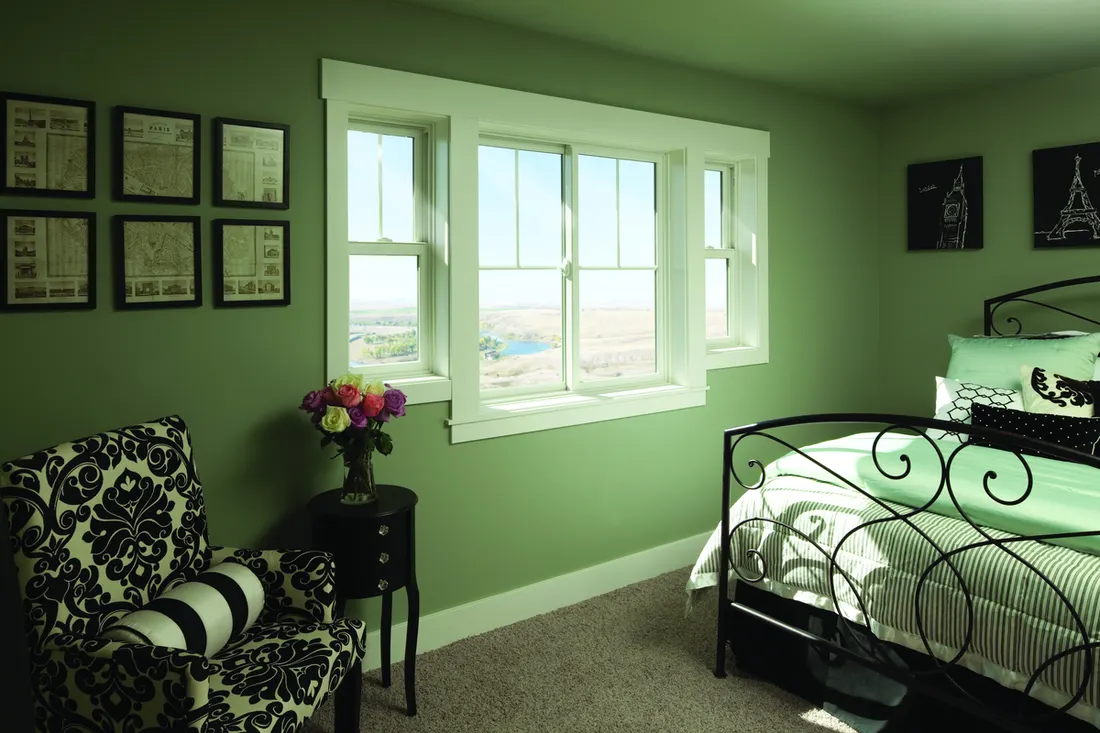
For windows, ask for the series, the glass package and the rating label. We install Andersen windows, so we talk in terms of the 100, 400, A-Series and E-Series lines, and you can see them on our windows page. Ask the same of any firm, and get the answer on paper before you sign.
What does this estimate leave out?
Ask directly, because gaps in an estimate are where surprise costs live. Cleanup, hauling away old materials, interior touch-up, trim and permits are the usual items that drop out. A firm that is honest about the gaps is easier to trust than one that says everything is included.
Go through your own list. If the old windows will be removed, who hauls them? If siding comes off, who repairs the wall behind it if it is damaged? The right answers are written into the contract, not promised at the door.
What happens when you find damage behind the wall?
Hidden damage is common on exterior jobs, since no one can see behind siding or trim until it comes off. Ask how it will be found, priced and approved. The answer should include telling you before extra work is done, with the price and the reason, and a written change order you sign.
Listen for a plan rather than a promise. “Nothing will go wrong” is not a plan. Good firms say “when we open the wall and find something, here is exactly what we do.” Our post on avoiding contractor scams explains why vague change terms are a warning sign.

What insurance and lead-safe credentials do you carry?
Ask what insurance the firm carries, who it covers, and whether it protects your property if something is damaged. Then ask for the certificate. If your house is old enough to have painted trim from long ago, ask whether the firm is EPA Lead-Safe Certified.
The EPA’s renovation, repair and painting program sets the rules for firms that disturb paint in older housing. We hold that certification as a firm. If a contractor has never heard of the rule, that tells you something.
Who handles the permit and the association?
Ask who pulls the permit, who pays for it, and who talks to your homeowners association if you have one. Rules differ by city and by the type of work, so the answer should be specific to your address. A firm that says you never need a permit has not looked at your city.
Cities post their own information. Plano and Arlington are two examples, and the permit offices are the people who can say what applies. Our permit guide is a place to start.
How do payment, schedule and warranty work?
Ask when each payment is due, what stage it is tied to, what the schedule depends on, and what the warranty covers. Product warranties and labor warranties are not the same, and you need both in writing. Do not accept a date that depends on nothing, since the weather, materials and permits all move it.
After a big storm, such as the February 2021 freeze, many owners call repair firms at once, and schedules slip. Ask any contractor what could move your start date and how you would hear about it.
Which answers should make you stop?
Vague answers, answers that change between visits and answers that are not in the contract should all make you pause. The table pairs each question with what to hope for and what to worry about, so you can score each firm after the visit.
| Question | A good answer | A reason to worry |
|---|---|---|
| Who does the work? | Names a site lead and says who is accountable | “We have crews” with no names |
| What goes on my house? | Brand, series, color and glass package in writing | A category such as “good vinyl” |
| What is left out? | Lists cleanup, disposal and repairs behind the wall | “Everything is covered” |
| Hidden damage? | Written change order, price and approval before work | “We’ll figure it out later” |
| Insurance and lead-safe? | Certificate on request, EPA Lead-Safe if the house is older | Cannot name the policy or the rule |
| Permit and HOA? | Names who files and pays, specific to your city | “You don’t need one” |
| Payment and warranty? | Stages tied to finished work, warranty terms on paper | Large payment up front, warranty by handshake |
Bring this list to any estimate, ours included. American Eagle Builders is a family-owned company based in Arlington, and our free in-home estimate is a good place to use it. For the steps that come before and after the questions, see our post on hiring an exterior remodeling company.
Questions we get asked about this
Seven areas cover most of what goes wrong: who does the work, which products go on your house, what the estimate leaves out, hidden damage, insurance and lead-safe credentials, permits, and payment with warranty. Ask follow-ups on any answer that is vague, and write down the answers.
Yes, and ask for addresses you can drive past as well as phone numbers. A contractor who can name finished jobs and let you look at them is easier to trust than one who offers only a printed list of names.
A change order is a written agreement to change the scope or price of the job after the contract is signed. It should state the work, the reason, the cost and the date, and you should sign it before the extra work is done.
No, but many do, and that is not a problem on its own. What you need to know is who supervises the work, who is accountable if something goes wrong, and whether the firm stands behind subcontracted work in writing.
Yes, and you are welcome to bring your list. The visit is free, we measure in person so the estimate matches the house you have, and we will put the answers in writing if you ask.