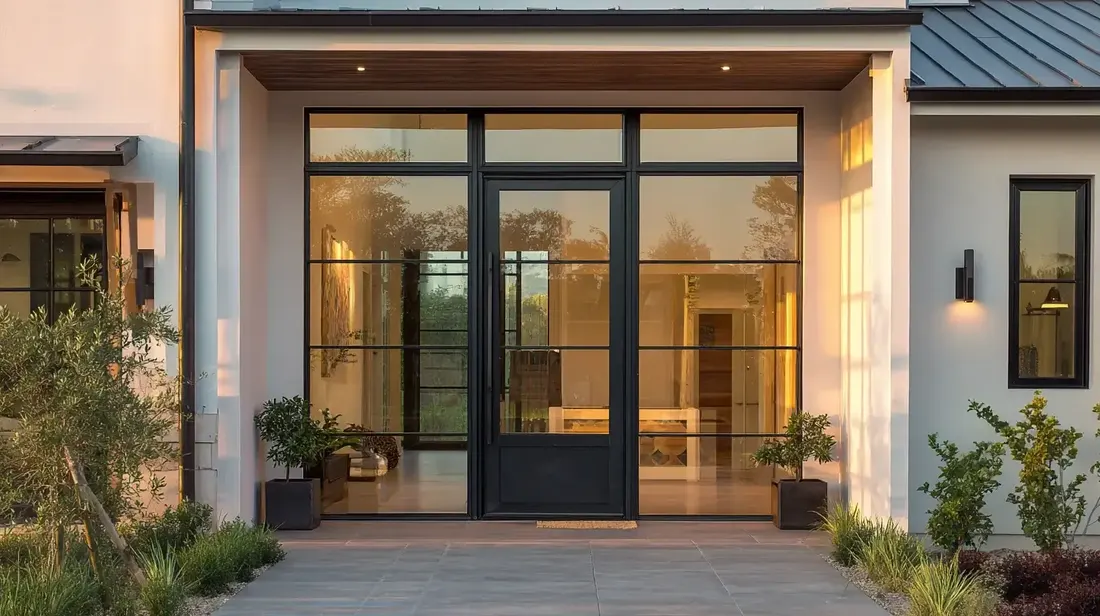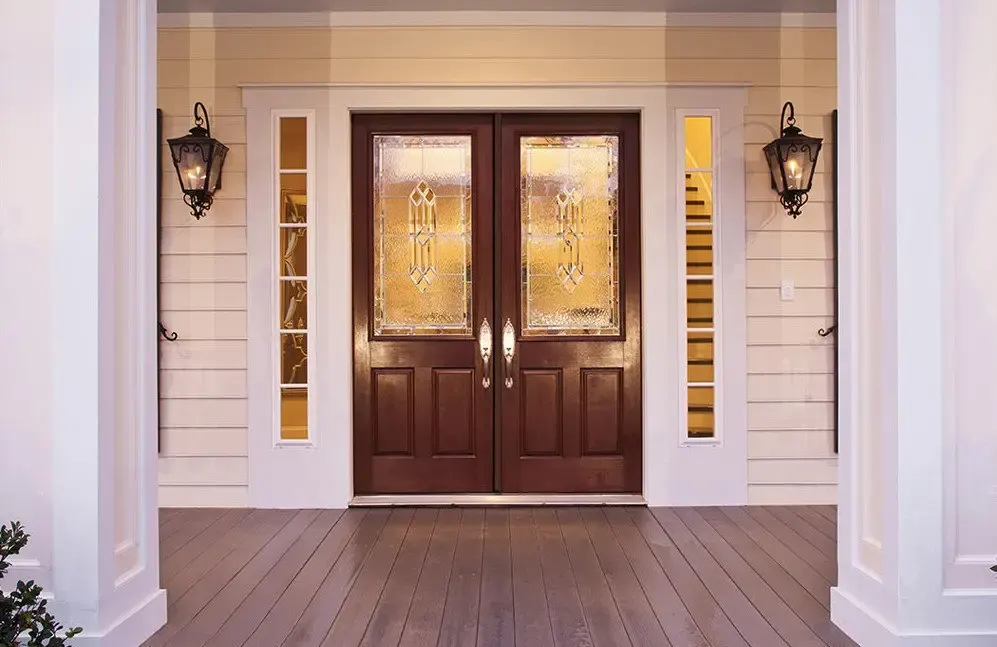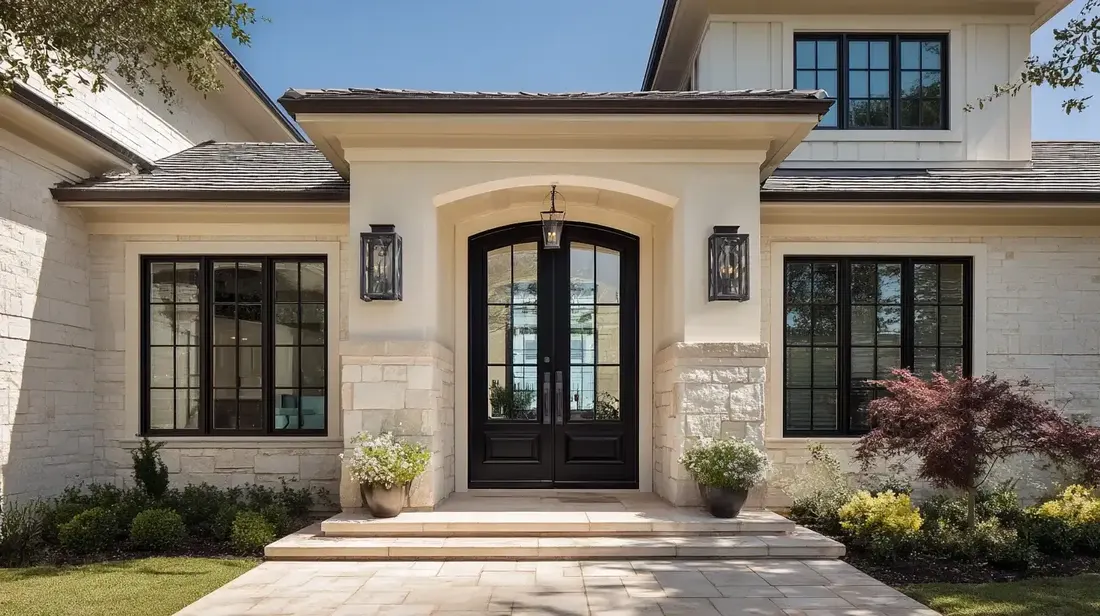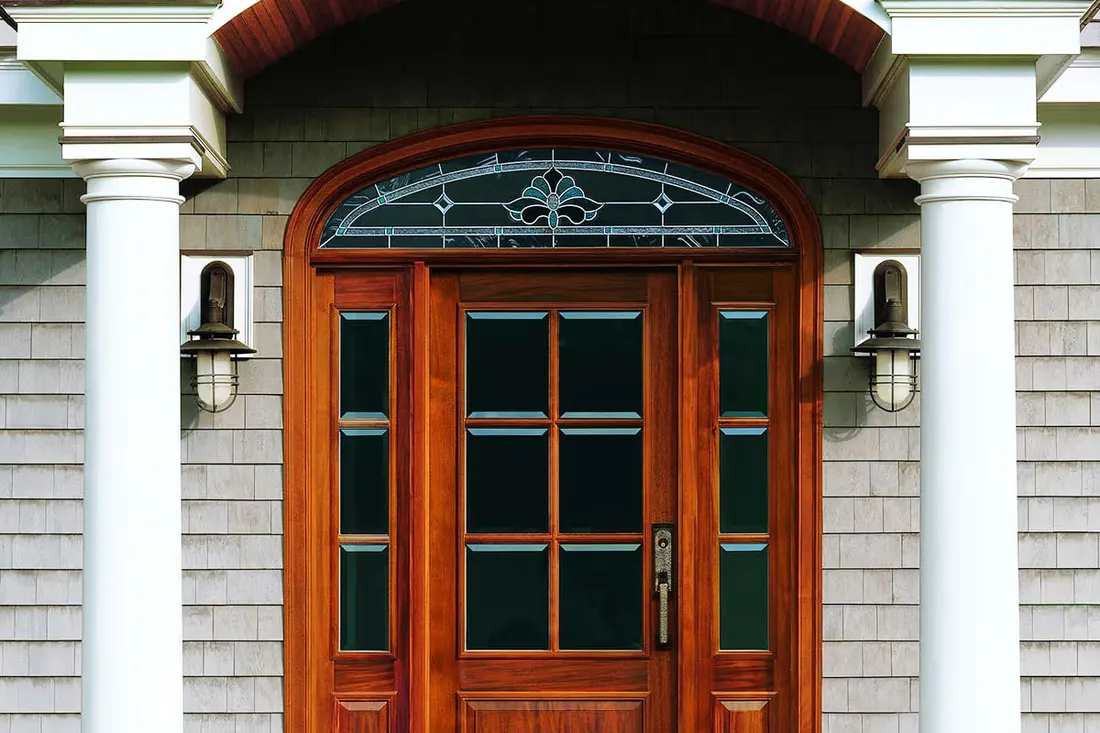
A storm door is a second, lighter door that mounts in front of your entry door. Storm door benefits in North Texas come down to weather protection, a screened breeze and a little extra security. Others, like energy savings, depend on the glass, the seal and which way your entry faces.
The short answer
- A storm door protects a sound entry door best when the entry faces west, south or driving rain.
- Full-glass storm doors over dark entry doors can trap heat on sunny faces, so check the maker’s guidance.
- Energy and noise gains are small if your entry door already seals well.
- A storm door will not fix a crooked opening, so repair the frame before you buy.
- A good closer and a wind chain prevent the most common storm door damage.
Storm doors get sold on long lists of benefits. Some hold up in Dallas–Fort Worth and some do not. Below we sort them into what you can count on, what depends on your house and what to skip. American Eagle Builders installs storm, entry, hinged and sliding doors, so this is the sorting we do at the front step, not from a brochure.
Which storm door benefits are real in North Texas?
Four hold up well: shelter for the main door, a screened breeze in spring and fall, a second latch between you and the porch, and light when the glass is clear. Energy savings and less street noise are smaller gains, and they depend on the glass, the seal and the door behind it.
| Common claim | What holds up here | The honest limit |
|---|---|---|
| Protects the entry door | Shades the finish and keeps driving rain off the slab and the seal | Only if the closer works and the door fits the opening |
| Screened ventilation | Lets spring and fall air through with the main door open | No use in July, when you want the house shut tight |
| Security | Adds a second frame and latch at the entry | The main door and its deadbolt still do the real work |
| Natural light | Full-view glass shows off a glass or sidelight entry | A dark door behind full glass can trap heat |
| Energy savings | A snug storm door can cut leaks at an old, loose entry | A new, well-sealed entry door gains very little |
Read the last column before you order. A storm door is a smaller job than replacing an entry door. It earns its place when the main door is sound but takes a beating from the weather.
Will a storm door protect your entry door from the sun?
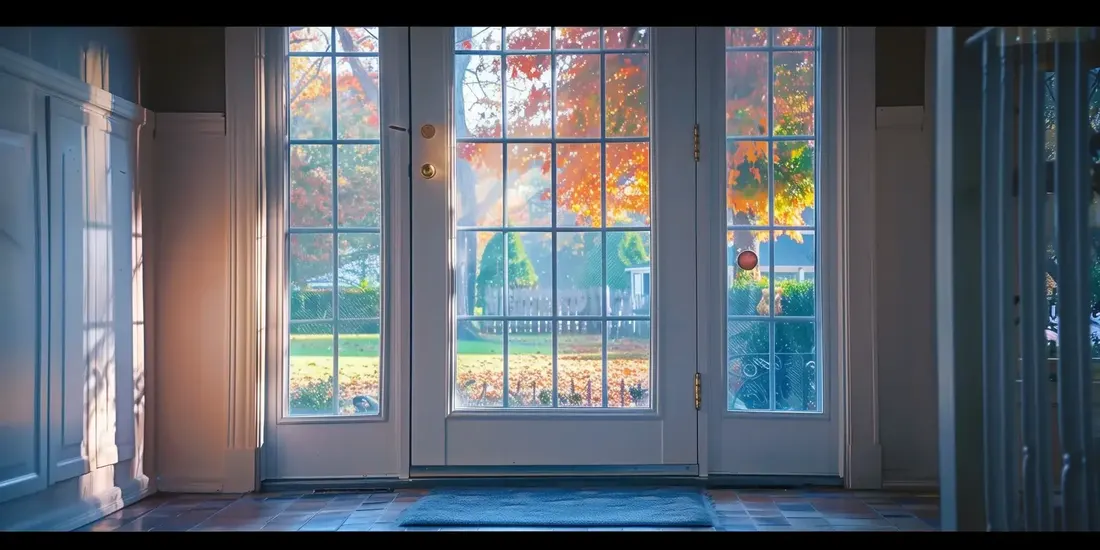
It will shade and shield the door, with one catch. A full-glass storm door in front of a dark entry door on a west or south face can trap heat in the gap between the two. That trapped heat can hurt a finish. Check the maker of your entry door for guidance on pairing before you order.
Texas sun is the main enemy of an entry door. Afternoon light on a west-facing porch fades paint and stain. A hard rain on one side makes a wood or composite slab swell and stick. A storm door takes that first hit. The hot summer of 2023 was a fair reminder of how much a west-facing porch absorbs. Check the care notes from the maker of your door, such as Andersen, before you pick a full-glass model.
Do storm doors really save energy and cut noise?
A little, and only in the right house. A tight storm door can shut off leaks at an old, loose entry and add a layer that dulls some street noise. If your entry door is new and seals well, the gain is small. ENERGY STAR lists certified windows, doors and skylights, so check how your entry door rates before you add anything.
The door behind the storm door matters more than the storm door. A hollow or worn slab with a cracked sweep leaks no matter what sits in front of it. In that case, a new entry door fixes the cause and a storm door only covers it. Our post on when to replace your front door shows how to tell the two cases apart.
When should you skip a storm door?
Skip it when a deep porch already shelters the entry and the door is in good shape. Skip it too when the opening is out of square, because the storm door frame screws to your trim and a crooked frame makes it slam, sag and leak. Fix the opening first, then buy the door.
Here is a quick test. A storm door makes sense if most of these are true:
- Your entry door faces west or south, or takes rain straight on.
- The main door is in good shape and you like how it looks.
- You would use a screened breeze in spring and fall.
- The opening is square and the trim is sound.
- The porch is shallow or open, with little shade.
How do you pick the glass, the screen and the closer?
Work through the choices in this order. Each one changes how the door lives through a Texas year, and the closer is the part people forget until the first windy afternoon.
- Choose full-view glass if the entry door is worth showing and the porch gets shade. Choose a ventilating model with a screen if you want the breeze.
- Ask for interchangeable glass and screen panels, so you can switch with the season.
- Pick a closer and a wind chain. A gust that throws the door back on its hinges is the most common way a storm door gets damaged.
- Match the frame color to the trim, not to the door, so the pair looks like part of the house.
- Look at the lock. A storm door latch is an extra layer, so choose one you will actually use.
If your opening is an odd size, standard doors may not fit without trim work. Our post on custom-sized storm doors covers that case.
What does it take to get a storm door fitted?
First we measure the opening and look at the frame and threshold for rot or movement. Then we write up the door, hardware and trim together. If the frame needs repair, that comes first. Our storm doors page shows the styles. To have someone look at your entry, ask for a free in-home estimate. We serve 90 DFW cities, from Arlington to Plano and Fort Worth.
Questions we get asked about this
It is worth it when your entry faces the weather, especially a west or south porch with a good door behind it. It shades the finish, keeps rain off the seal and gives you a screened breeze in spring and fall. It is less useful on a deeply shaded entry.
It can, mainly with full-glass models over dark doors on west or south faces. Heat builds in the gap between the two doors. Ask the maker of your entry door for guidance, and consider a ventilating model or lighter finish to ease the problem.
A little. It adds a second frame and latch, so someone has to get past two doors. The main door, its frame and its deadbolt still do most of the work, so fix those first if they are weak.
Most standard openings take one. The frame fastens to the trim, so we measure the opening and check that it is square. Unusual sizes may need a custom unit or some trim work before the door can fit properly.
Swap between glass and screen as the seasons change, keep the closer adjusted so the door does not slam, and wipe the sweep at the bottom. Check the wind chain now and then. That is most of it.