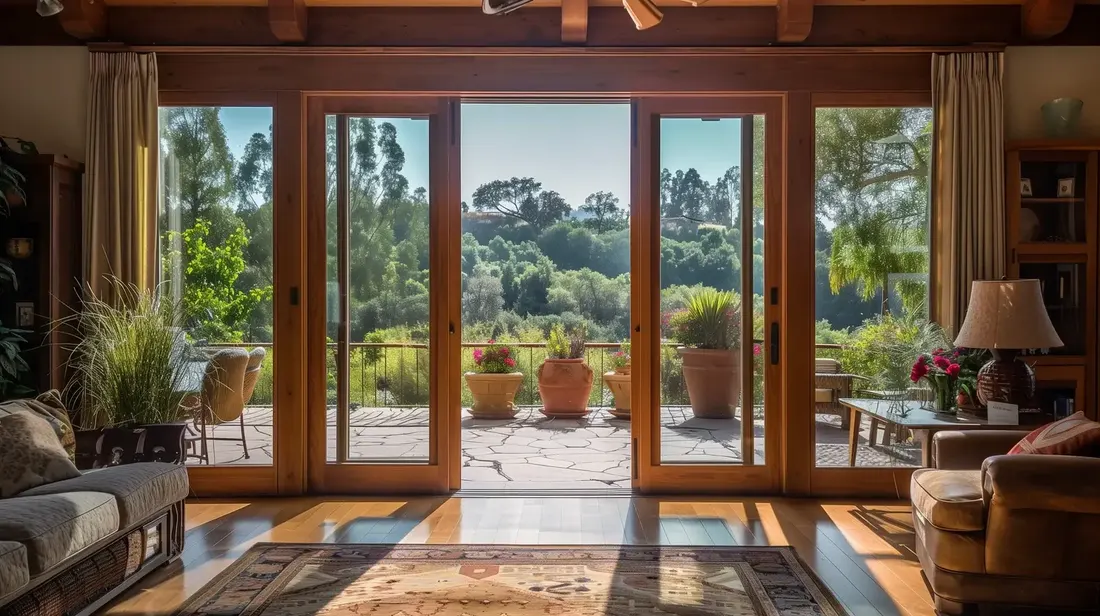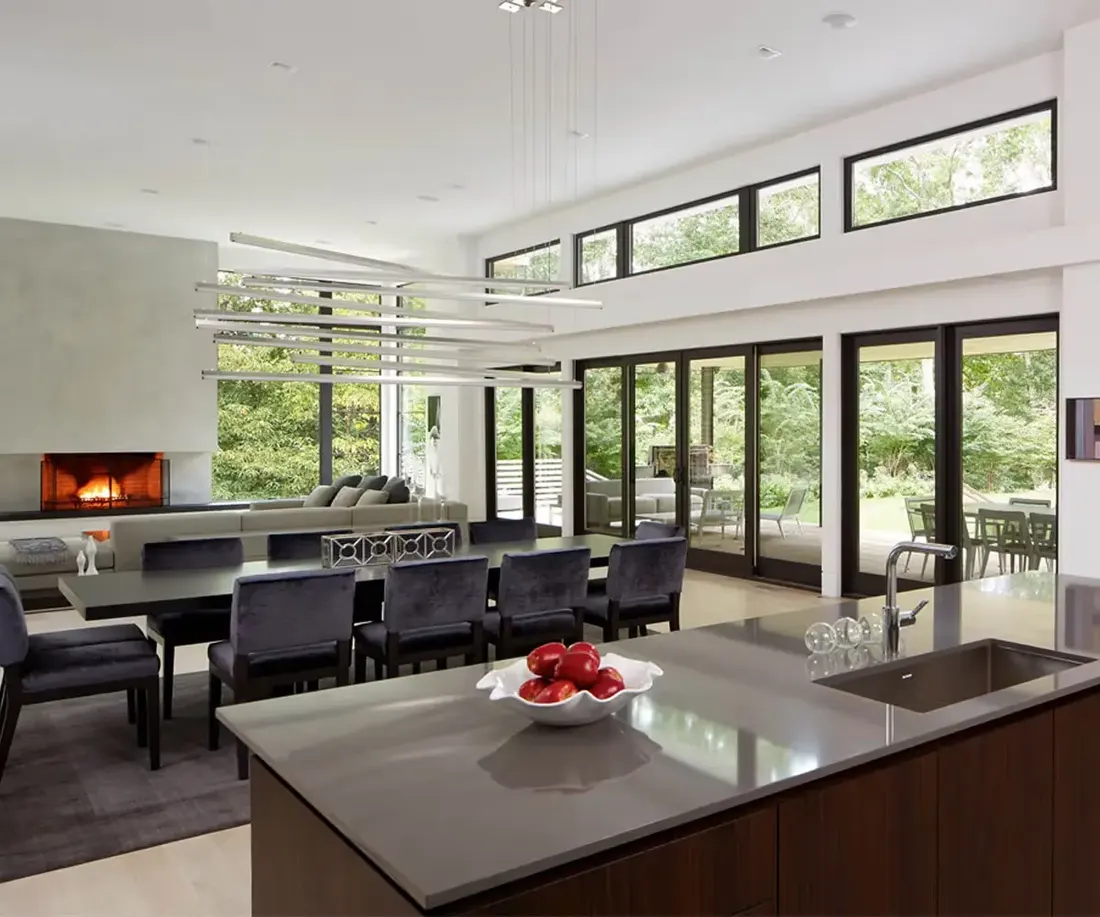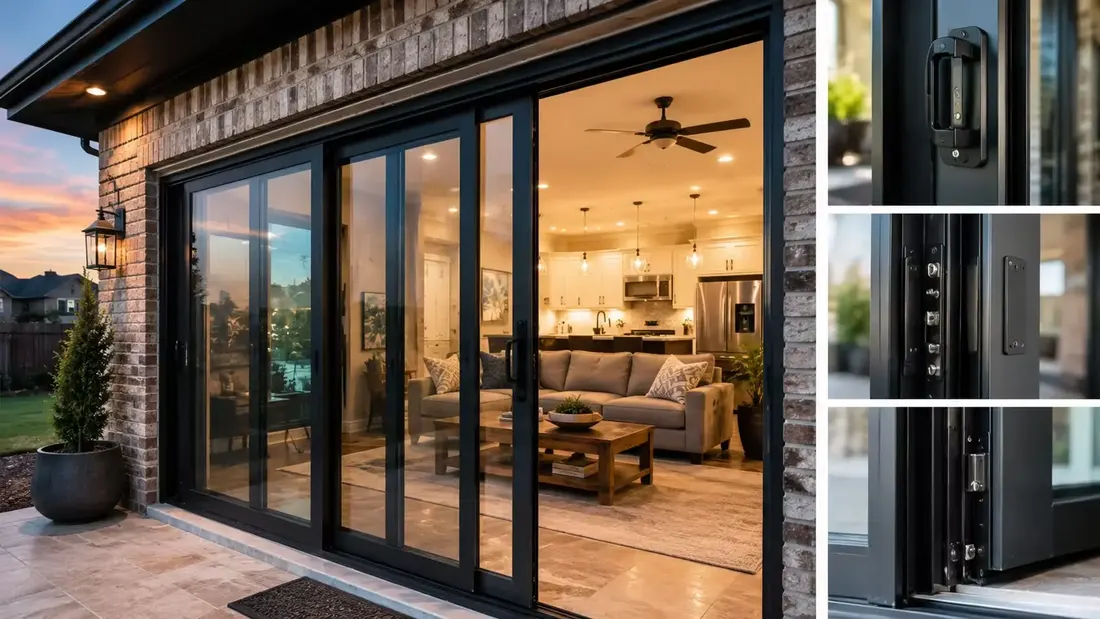
A sliding patio door is a door with one panel that glides sideways past a fixed one. Sliding patio doors suit tight patios and big views, but they have trade-offs: a track to keep clean and only half the opening clear at a time. Here is where they win and where a hinged door does.
The short answer
- A slider saves floor space and shows more glass, but only half the opening is clear at a time.
- Most slider complaints start at the track, so a level sill and clean seals matter more than the glass.
- West-facing sliders take in the most heat, so plan glass, screens and shade together.
- Use hinged doors at the front of the house and where you move wide loads through.
- Fix an out-of-square opening before you install any new patio door.
A good patio door does one job every day: it moves you between the kitchen and the yard without a fuss. Most of what separates a happy owner from a frustrated one is the match between the door and the opening. This post lays out what a slider does well, what it costs you, and when the answer is a different door.
What do sliding patio doors do better than hinged doors?
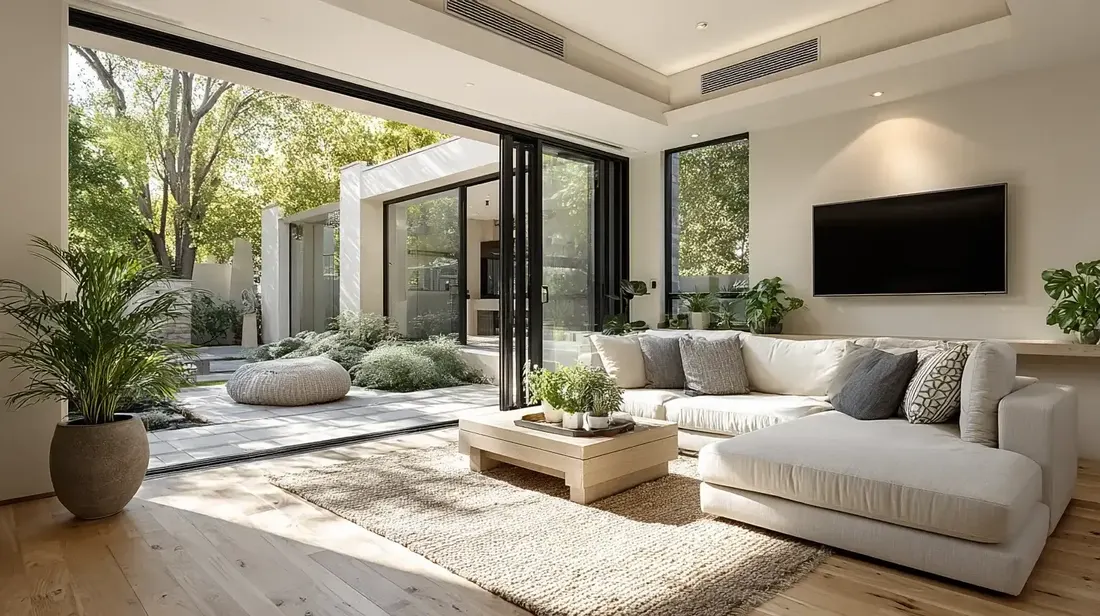
They need no swing space, so furniture can sit close to the opening. They also give you one wide pane of glass for light and a view, and the moving panel never blocks a walkway, a grill or a pool gate. Those three strengths explain why sliders are common on Dallas–Fort Worth back patios.
| Your situation | Better pick | Why |
|---|---|---|
| Furniture sits close to the door | Slider | Nothing swings into the room |
| The opening faces a pool or a deck | Slider | A swinging panel would be in the way |
| You want the widest clear opening | Hinged | Both panels swing back and the whole width opens |
| Wind sweeps across the patio | Hinged, swinging out | Wind presses the door into its frame instead of away from it |
| The house has a traditional elevation | Hinged | French-style doors suit most older fronts and back walls |
| You want the lightest look | Slider | Slimmer sightlines and more glass area |
The table is a starting point, not a verdict. We walk the room with you and show where the furniture goes with each door before anyone orders. Our sliding patio doors page covers the style we install.
What are the trade-offs of a sliding door?
Only one panel moves, so only about half the width is ever open. The bottom track also collects grit that you have to vacuum out. And a large pane facing the afternoon takes in heat as well as light, which matters on a west-facing wall.
The track is where most owner complaints begin. Dirt in the channel, a worn roller or a frame pulled out of level makes the panel drag. The door is also only as tight as its bottom seal. A hard freeze like the one in December 2022 is when a worn seal at the sill tends to get noticed. If a slider already drags and sticks, our post on common sliding door problems shows what to check before you spend money.
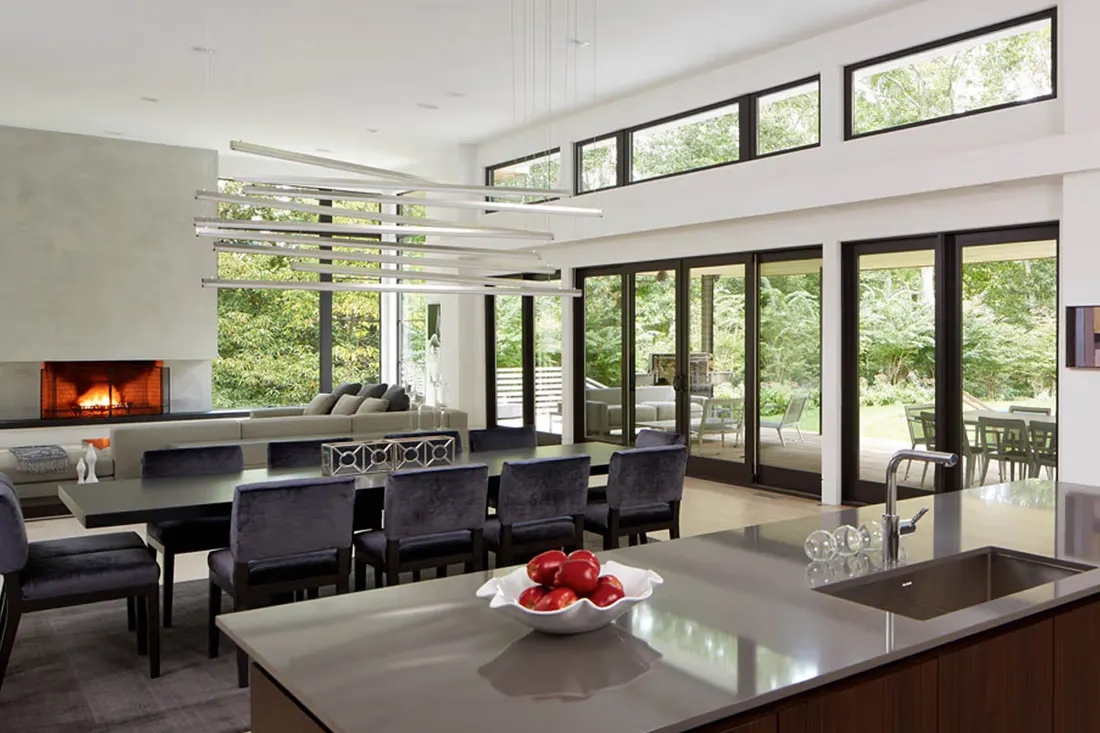
Heat is the other cost. In an east- or north-facing room the glass can stay comfortable for most of the day. On a west wall in Frisco or Irving, that same pane faces the hot part of a summer like 2023. Plan the glass, the screen and any shade outside together. The National Fenestration Rating Council label on a door shows its ratings for heat and light, and ENERGY STAR covers doors as well as windows.
Do sliding patio doors belong on every house?
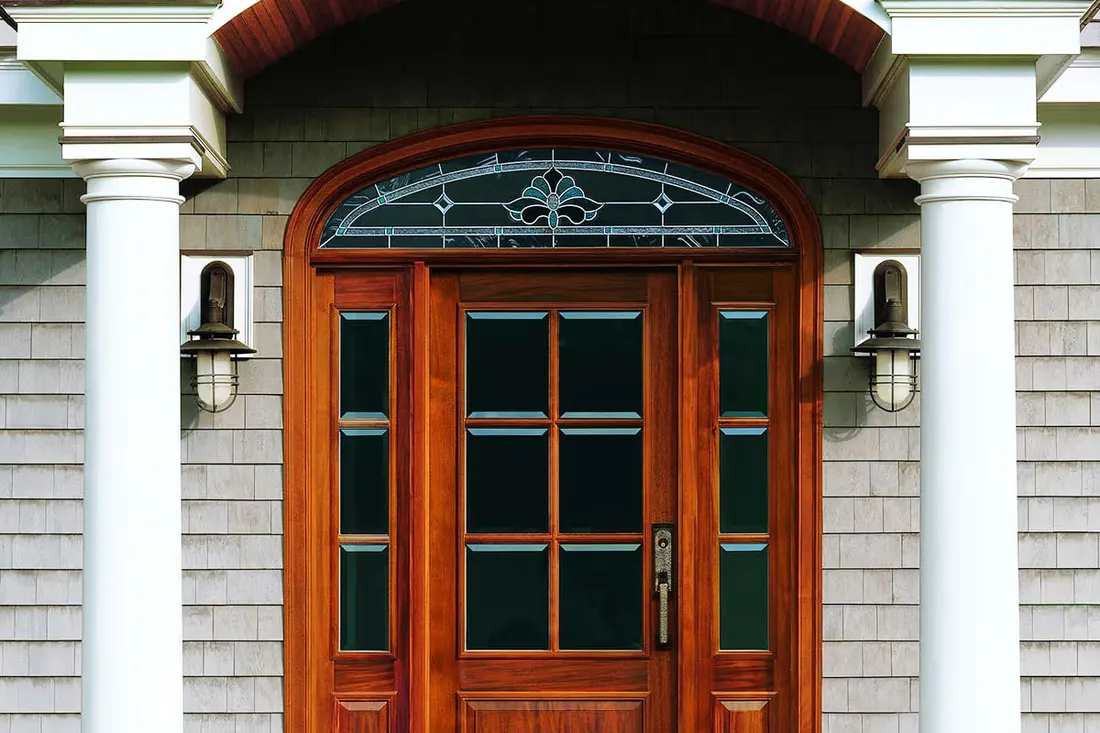
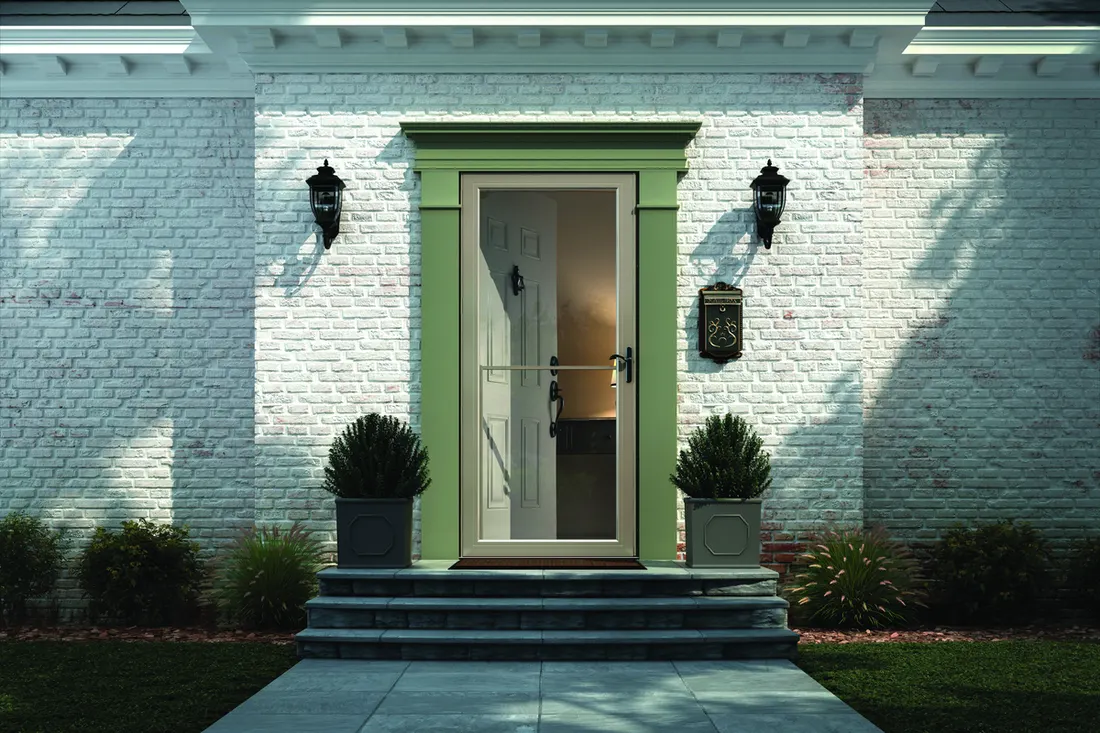
No. A slider is a back-of-the-house door. At the front, a hinged entry door seals tighter, takes sidelights and locks with a heavier deadbolt. A slider also makes a poor choice where you often carry wide loads through, because half the opening stays shut.
The same goes for an opening that has moved. If a doorway is out of square, a new slider on top of it will fight the frame. Fix the framing and the sill first. Then the door runs the way it should.
A quick way to decide
- Choose a slider if floor space is tight, the opening faces a pool or deck, or a big pane of glass is the point.
- Choose a hinged door if you move large things through, want the widest opening, or have a traditional elevation.
- Choose neither yet if the opening is out of square or the subfloor under the old track is soft.
How much upkeep does a slider ask for?
Very little, but it has to be regular. Vacuum the track, wipe the weatherstrip and keep the rollers free of grit. A door that is cared for runs smoothly for a long time, while one that is forced against dirt wears its rollers flat.
- Vacuum the bottom track whenever you clean the floors nearby.
- Wipe the weatherstrip and the glass edges when you wash the panel.
- If the panel starts to drag, stop and look at the roller or the level. Do not force it.
- Check the lock and the latch when the seasons change.
- Keep the weep holes in the sill clear so water can drain out.
Screens matter too. A sliding screen rides in its own track, so it needs the same vacuum pass. In spring and fall, many families leave the glass panel open and use the screen, which is much of the pleasure of a slider.
How do you get the benefits and skip the problems?
Look at three things before you sign: which panel slides, how the sill is built and how the glass meets the afternoon sun. A level, well-sealed track keeps a slider gliding and the water out. The panel that moves should open toward where people walk, not into a corner.
Our own routine starts under the door. We strip the old unit, look for rot in the subfloor, set a sill pan and level the frame along its length. Only then do the panels go in, and that order is what keeps a door from dragging. Our post on how to choose a sliding patio door goes through the buying steps. When you are ready, set up a free visit and we will look at the opening with you.
Questions we get asked about this
It depends on the room. A slider saves floor space and shows more glass, but only half the opening is clear. French doors swing wide for the full width and suit traditional homes, but they need clear floor to swing. Pick by furniture layout and how you use the opening.
A worn one can. Weatherstripping flattens, rollers wear and the frame can shift out of level, which lets air and water past the panel. A new slider on a level sill with fresh seals closes much tighter. Check the bottom seal first on an older door.
They can be, with a good multi-point lock, a clean track and a security bar. Older sliders with basic latches are the weaker ones. Our separate post on sliding glass door security covers what to add and what to skip.
A big pane facing west takes in the most afternoon sun. Better glass, a screen and shade outside all help. Check the ENERGY STAR and NFRC ratings, and consider a patio cover on that side, since covering the glass often does more than changing it.
Often, if the opening is the right size. We check the framing and the header first. We will tell you if the opening needs changes before anything is ordered.