Window energy efficiency is the measure of how well a window keeps summer heat out and winter warmth in. New windows can improve it by tightening the seal, coating the glass and fitting the opening, but they only fix the part of the problem that windows cause.
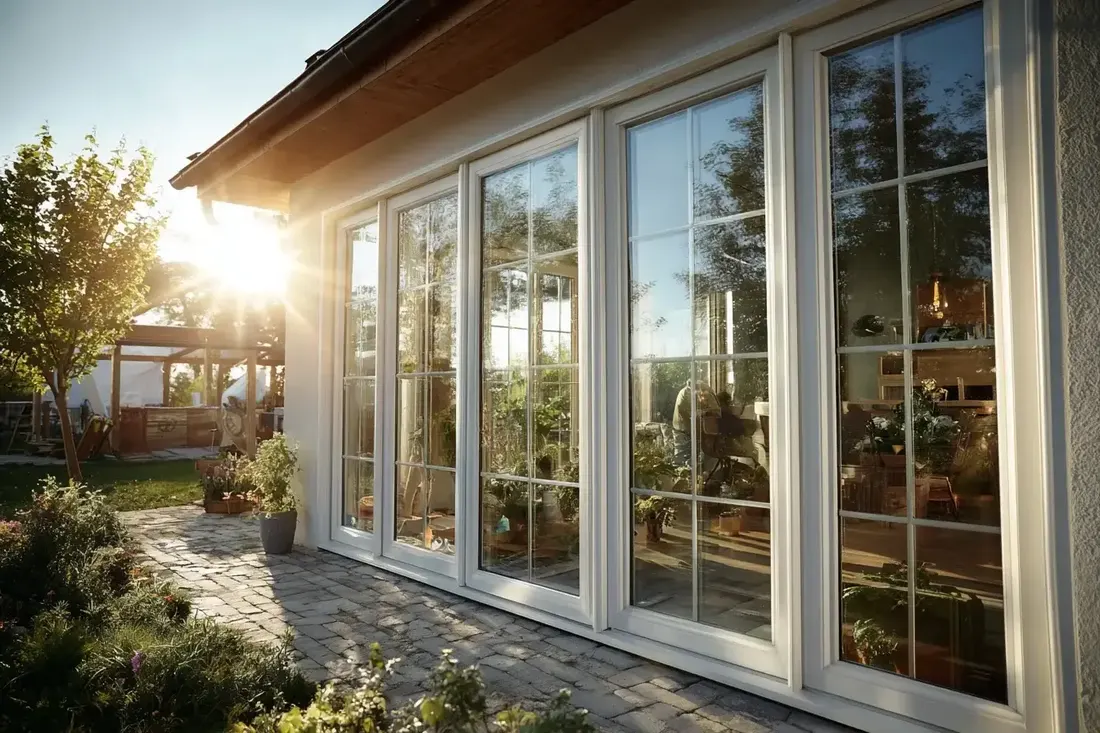
The short answer
- Heat enters through the glass, through the frame and through gaps, so a good fix addresses all three.
- A low-E coating and a sealed double-pane unit do most of the work against North Texas sun.
- New windows will not fix a thin attic blanket or leaky ductwork, so check those first.
- Start with the west and south walls and the rooms you use most, then compare against a whole-house estimate.
- Read the NFRC label for U-factor and SHGC, and give SHGC extra weight on sun-facing walls.
- A well-made window still leaks if it is set badly, so the crew matters as much as the product.
A window is a gap in an insulated wall, and even the best one is thinner than the wall around it. That is why glass counts for so much on a cooling bill in Dallas–Fort Worth. After the hot summer of 2023, plenty of homeowners stood in a west-facing room and wondered what the glass was doing. New windows can help. This post covers where they help and where they will not.
How does heat get through an old window?
Three ways. Sunlight passes through the glass and warms the room. Heat conducts through the glass and the frame. Air leaks through gaps at the sash and around the frame. An old window can fail at all three at once, which is why the fix is rarely a single part.
| Path | What causes it | What a new window changes |
|---|---|---|
| Sun through the glass | Clear, uncoated glass on a wall that faces the afternoon sun | A coated glass package turns back part of the sun’s heat before it reaches the room |
| Heat through frame and glass | Thin metal frames, single panes, a failed gas fill | A sealed double-pane unit and a frame that conducts less slow the flow |
| Air through the sash | Worn weatherstripping, a warped sash, a lock that no longer pulls tight | A new sash that closes square and seals along every edge |
| Air around the frame | Old caulk, poor shimming, an opening that has moved | A unit sized to the opening, set and sealed by a careful crew |
The last row is the one buyers skip. A window with a good label still leaks if it is set badly. Much of Dallas, Plano and Frisco sits on Blackland clay that swells in a wet spring and shrinks by August, so an opening that was square when the house was framed may not be square today. We measure each opening on its own for that reason.
What changes when you replace old windows?
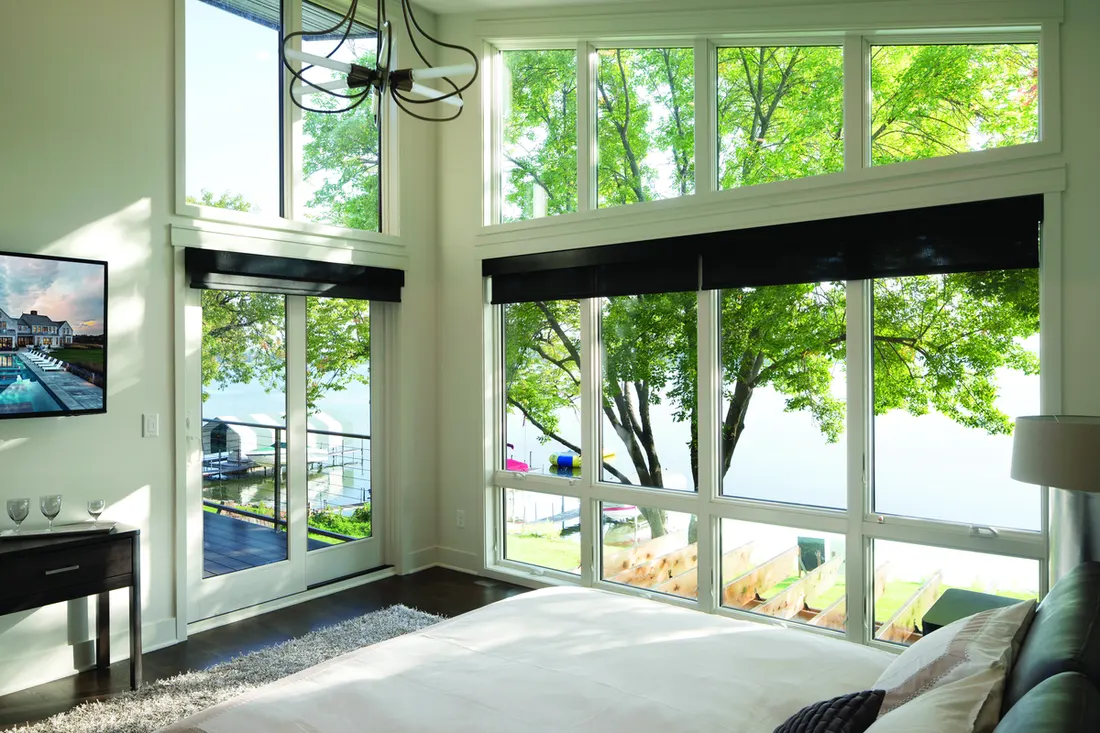
Four things can change: the glass, the seal, the frame and the fit. New windows usually improve all four together, which is why the difference tends to show up in comfort first. Whether it also shows on the bill depends on how bad the old windows were and what else in the house leaks.
- Glass: a low-emissivity coating, or Low-E, is a thin layer on the glass that reflects heat, so less of the sun’s warmth comes in while the daylight still does.
- Seal: two panes sealed around a gas fill slow heat better than one pane, or than a unit whose seal has failed and let the gas out.
- Frame: modern frames conduct less heat than thin old metal ones, and they hold their shape in the sun.
- Fit: a window made for the opening closes the gaps that a worn one leaves.
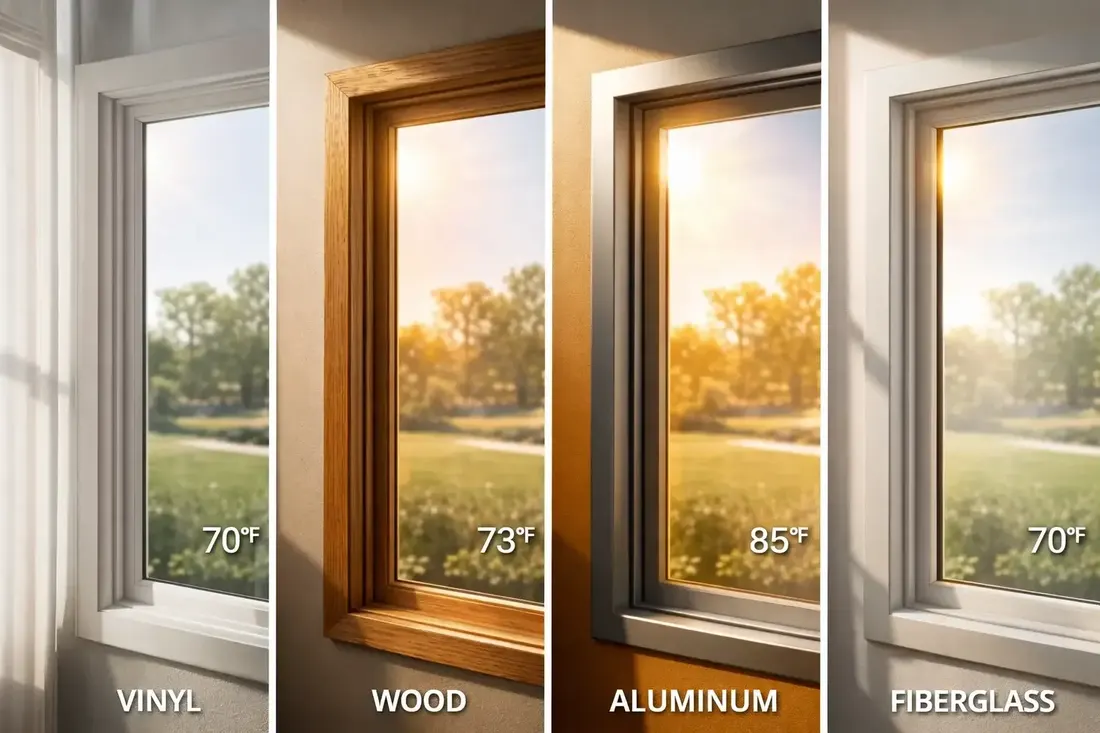
Comfort is a fair reason to replace on its own. A glass surface that stays cooler in July and warmer in January means less of that chill or glow when you sit beside it. Frames matter here too, and our post on window frame materials in Texas heat compares vinyl, fiberglass, wood and aluminum.
What will new windows not fix?
Windows will not fix a thin attic blanket, leaky ductwork or an air conditioner that is too small for the house. If those are the real problem, new glass changes the look of the house and little else. Check them first, before you order a single window.
The attic is the usual first stop. In a North Texas summer it is the hottest space in the house, and that heat presses down on the rooms below. We install insulation as well as windows, so we will say it plainly: if your windows are sound and your attic is bare, do the attic first, then look at the windows again with a clearer view.
Which windows should you replace first?
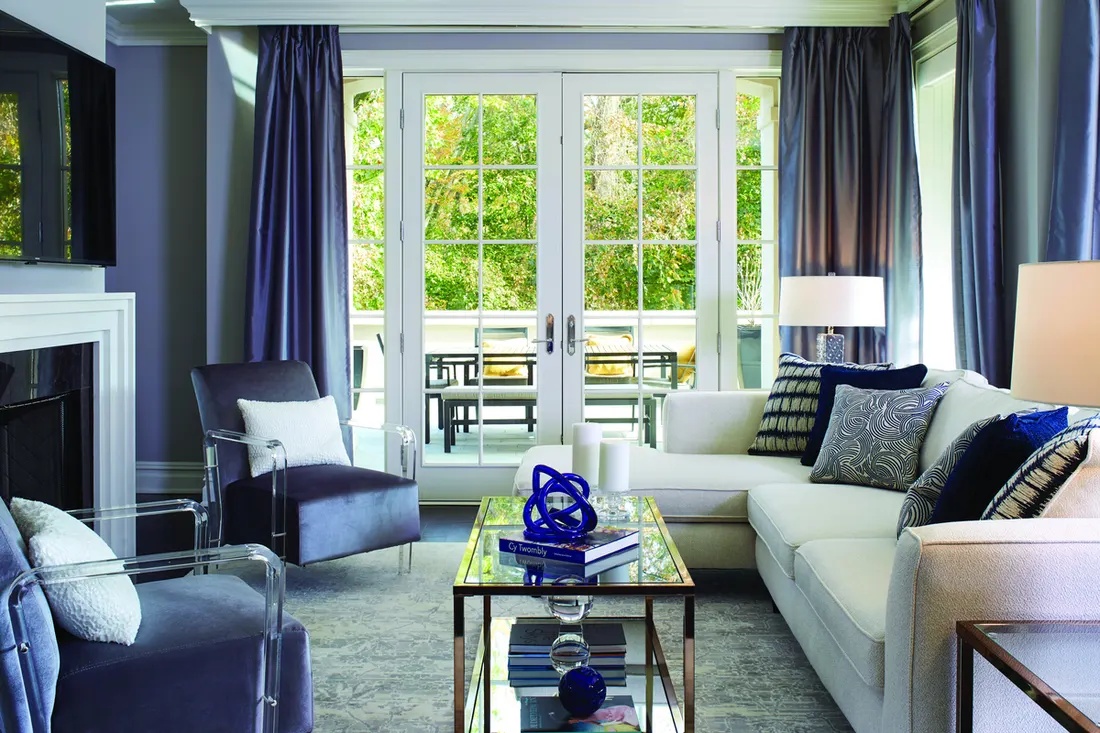
Start with the walls that take the most afternoon sun and the rooms you use most. In most North Texas houses that means the west and south sides. A whole-house replacement is not the only choice, and sometimes it is not the best one.
- Walk the house on a hot afternoon and note which rooms stay warm after the sun moves on.
- Mark every window with fogged glass, a draft or a sash that sticks, since those are failing on their own.
- Put the west and south windows in the first group, then the rest in the second.
- Ask for an estimate on the first group and on the whole house, and compare the two.
Mixed windows on one house can look uneven from the street, so ask what the match will be. In a city like Arlington, where the build era changes from street to street, that match matters more than people expect.
How do you judge a window on paper?
Read the label from the National Fenestration Rating Council on each window. It lists the U-factor, which is how fast heat flows through the window, and the Solar Heat Gain Coefficient, or SHGC, which is how much of the sun’s heat gets through. Lower is better for both.
ENERGY STAR publishes its window criteria by climate region, so look up the one that covers your county. For the two numbers in plain terms, read our post on U-factor and SHGC for Texas heat. For shopping order, see how to choose energy-efficient windows.
What should you do next?
Have someone look at the house, not just the catalog. American Eagle Builders is a family-owned exterior remodeler in Arlington, working across Dallas–Fort Worth since 1984, and we offer free in-home estimates. You can see the Andersen lines we install on our windows page.
Questions we get asked about this
They can, but how much depends on how leaky the old ones were, which walls they sit on and what else in the house leaks. We will not promise a number. Ask for a walk-through of where heat is coming in before you commit to a whole-house order.
For most houses, a double-pane unit with a low-E coating suits our long cooling season. Triple-pane glass is aimed more at cold climates and noise. Ask what it adds for your own house and your own walls before paying extra for it.
Low-E means low emissivity. It is a thin, clear coating on the glass that reflects heat instead of passing it through. Different coatings suit different climates, so ask which one is in the window you are being offered and why it fits North Texas.
No. You can start with the west and south walls, or with the windows that are failing. Mixed styles can look uneven from the street, so ask for an estimate on both the partial job and the whole house, then compare them side by side.
Yes. American Eagle Builders offers free in-home estimates and installs Andersen windows across Dallas–Fort Worth. We measure the openings in person, so the estimate matches the house you actually have instead of a catalog size.