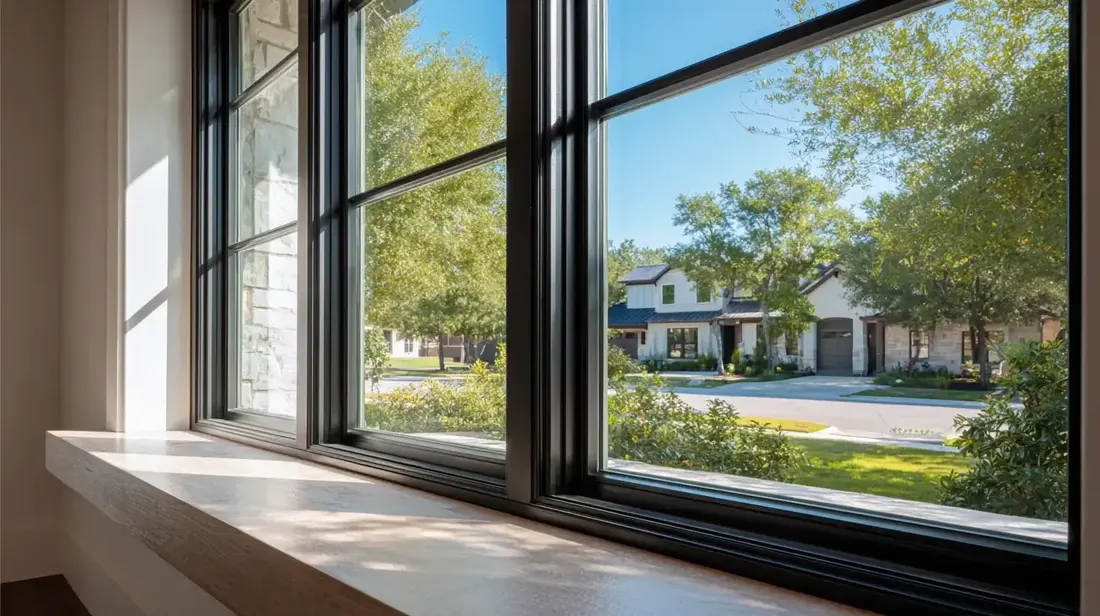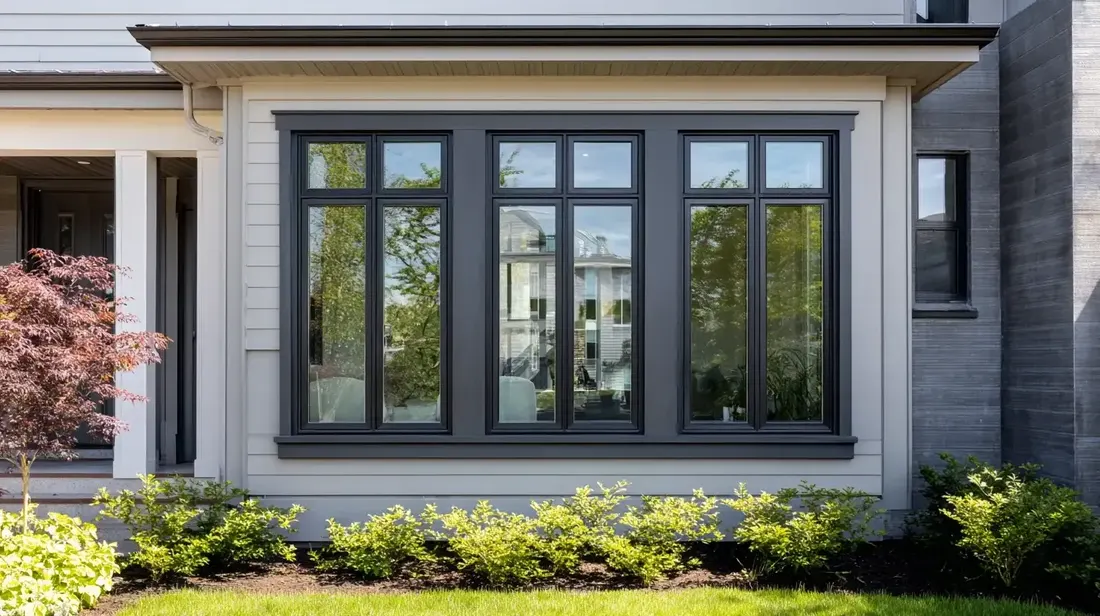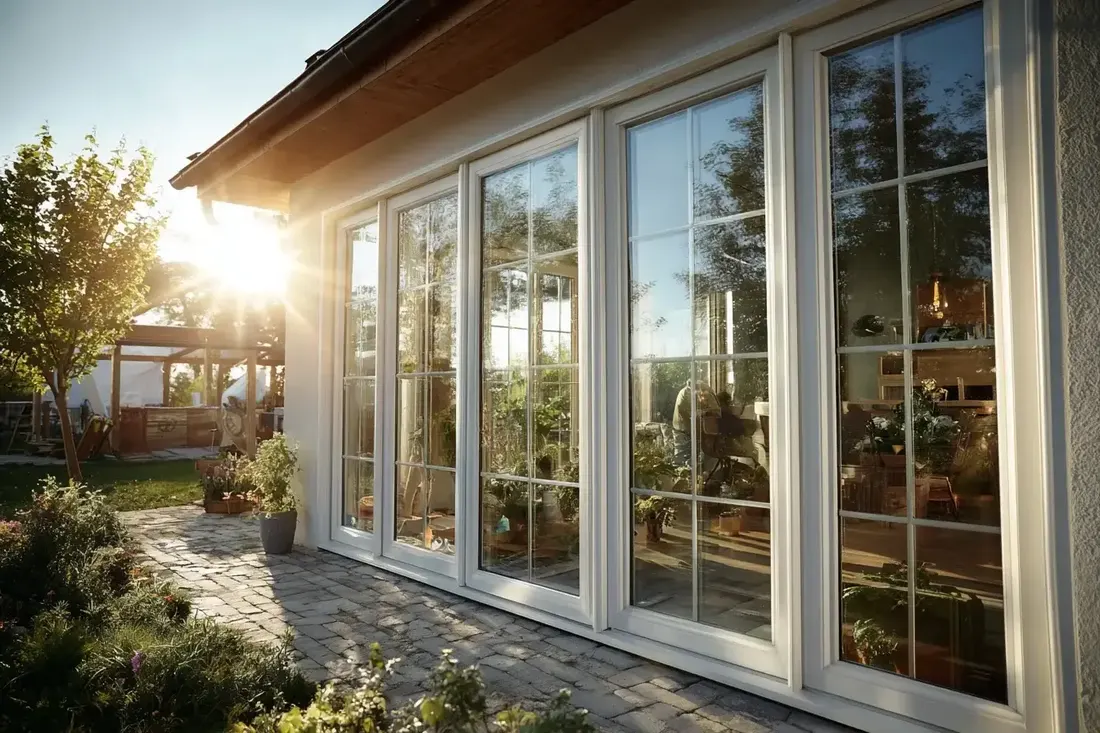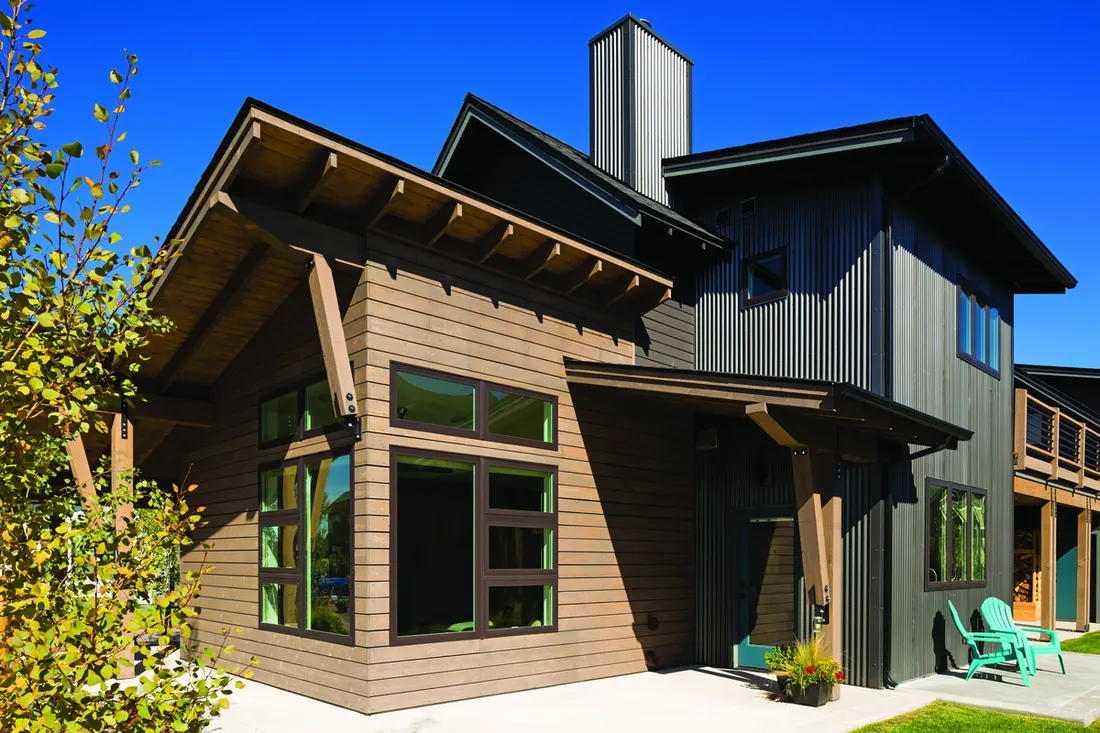
To choose energy-efficient windows in North Texas, match the glass to the sun on each wall, read the NFRC label, and compare estimates by what they list. An energy-efficient window is one whose glass, frame and seal limit heat flow and sun heat. The best pick is not the same on every side of the house.
The short answer
- Choose windows wall by wall, because the west side needs different glass than the north side.
- A Low-E coating and a sealed double-pane unit are the baseline for most North Texas houses.
- Compare estimates by the NFRC label values, not by the series name alone.
- Triple-pane glass earns its place for noise or cold more than for our cooling season.
- Sound windows with a bare attic are a case for insulation first and windows second.
- A good window still depends on a careful installer who measures every opening.
Stand outside your house at four on a July afternoon and feel each wall with the back of your hand. The west side will tell you more about your windows than any brochure. An energy-efficient window is a window whose glass, frame and seal limit both heat flow and sun heat, so the house gains less in summer and loses less in winter. Choosing them well starts with that hot wall.
How do you choose energy-efficient windows for each wall?
Look at which way each wall faces and let that set your priority. West windows take the hardest afternoon sun, so a low Solar Heat Gain Coefficient (SHGC) matters most there. North windows get little direct sun, so insulation and daylight matter more. The same window is not the right answer on every side.
| Wall | What the sun does | What to weight most |
|---|---|---|
| West | Low, hot afternoon sun that arrives when the house is already warm | A low SHGC, and shade if you can add it |
| South | High sun that an overhang or patio cover can block in summer | A balance of SHGC and U-factor, plus the shade you already have |
| East | Strong morning sun that fades before the heat of the day | A moderate SHGC, and comfort in bedrooms |
| North | Steady light with almost no direct sun | U-factor and daylight, since heat gain is not the problem |
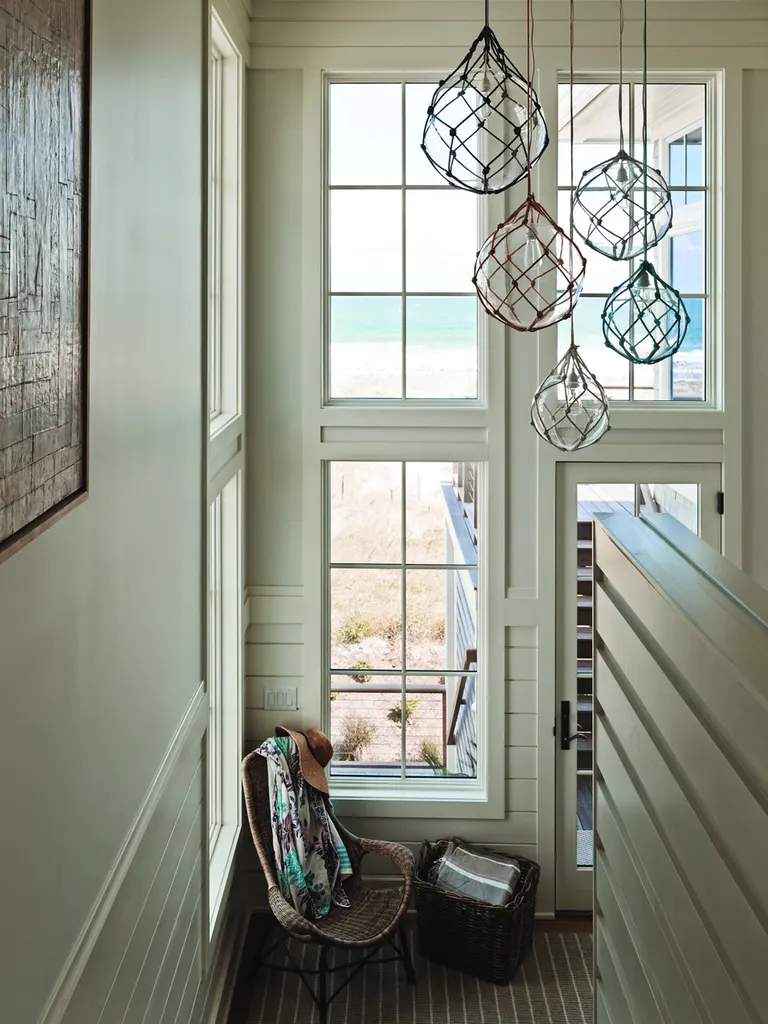
A big glass wall on the west side is the hardest case. If you love the look, plan for a low-SHGC glass package and some shade from a roof, a tree or a covered patio. Skip the glass wall on that side if neither is possible. The U-factor and SHGC post explains the two numbers in more detail.
Which glass upgrades are worth paying for?
The ones that act on your walls. A low-emissivity (Low-E) coating and a sealed double-pane unit do most of the work in a long cooling season. Extras should earn their place by solving a problem you can name, such as west sun, street noise or fading furniture.
- Low-E coating: a thin layer that reflects heat and still lets daylight in. Ask which coating is in the window and why it suits sun-facing walls.
- Double-pane, sealed: two sheets of glass with a sealed gap between them. For most North Texas houses this is the sensible baseline.
- Gas fill: an inert gas between the panes that slows heat transfer more than air does. It is part of the package, not a separate purchase for most people.
- Triple-pane: built more for cold climates and sound. Ask what it adds on your wall before you pay for it.
Winters here are short and sharp, as the December 2022 freeze showed. That is a reason to care about U-factor and a tight seal, but the long cooling season is why SHGC deserves equal attention. Do not buy for the coldest week and ignore the hottest months.
Does the frame matter as much as the glass?
It matters, because the frame is part of the window’s rating and it has to stay square in the sun. A frame that conducts heat or flexes will undo a good glass package. Pick one you will maintain, and match it to your walls and your budget.
We install Andersen windows. The 100 Series has a composite frame and suits a whole-house replacement, while the 400 Series pairs a wood interior with exterior cladding. The A-Series and E-Series are for openings and styles that need more custom work. Our windows page lays out each line.
What should you check before you buy?
Check the label, the scope and the installer, in that order. The National Fenestration Rating Council label lists U-factor and SHGC for the exact window, so you can compare like with like. ENERGY STAR criteria vary by climate region, so look up the one for your county.
- Ask for the NFRC label values for each window on the estimate, not just the series name.
- Check that every estimate lists the same number of windows, the same glass and the same finish.
- Ask who measures, and have the sizes written on the order.
- Ask what happens to the old windows and who cleans up.
- Read the written product and installation warranties before you sign.
An estimate is easier to judge when every company has priced the same list. Our post on getting the best deal on replacement windows shows how to line them up.
When are new energy-efficient windows not worth it?
When the windows are not the problem. If your windows are sound and your attic is thin, insulation will do more per dollar spent than glass, and it is a smaller job. We say so even though we sell windows. Do the attic first and look again.
A second case is a good window on a shaded wall. Replacing sound, well-sealed windows in Plano or Frisco only for a new look is a style decision, not an efficiency one, and that is a fine reason as long as you call it what it is. Save the efficiency argument for the walls that take sun and the windows that leak. If you are not sure which group a window belongs to, shut it on a strip of paper and tug. If the paper slides out with no resistance, the seal is not doing much, and that window goes to the front of the line.
American Eagle Builders offers free in-home estimates in 90 DFW cities, and we will tell you which of your walls need the better glass and which do not.
Questions we get asked about this
A sealed double-pane unit, a low-emissivity coating, a frame that conducts little heat and a tight fit in the opening. Together they limit how fast heat moves through the window and how much sun heat gets in. A poor installation can undo all of it.
Both count. U-factor shows how fast heat flows through the window, and SHGC shows how much sun heat passes through the glass. Because our cooling season is long, a low SHGC deserves extra weight on west and south walls. Read the label on each window you compare.
Usually not for efficiency alone. Triple-pane glass is aimed more at cold climates and noise reduction. If a loud street is your problem, ask what it adds for that. Otherwise, a Low-E double-pane unit often fits our climate better and costs less.
Yes, and it is often smart. West windows can carry a lower SHGC than north ones. Keep the frame style and color consistent so the house still looks like one design from the street. Ask for the choices on each wall in writing.
We install Andersen windows in the 100, 400, A-Series and E-Series lines across Dallas–Fort Worth, and we offer free in-home estimates. We can show the NFRC label values for the windows we propose so you can compare them with other estimates.