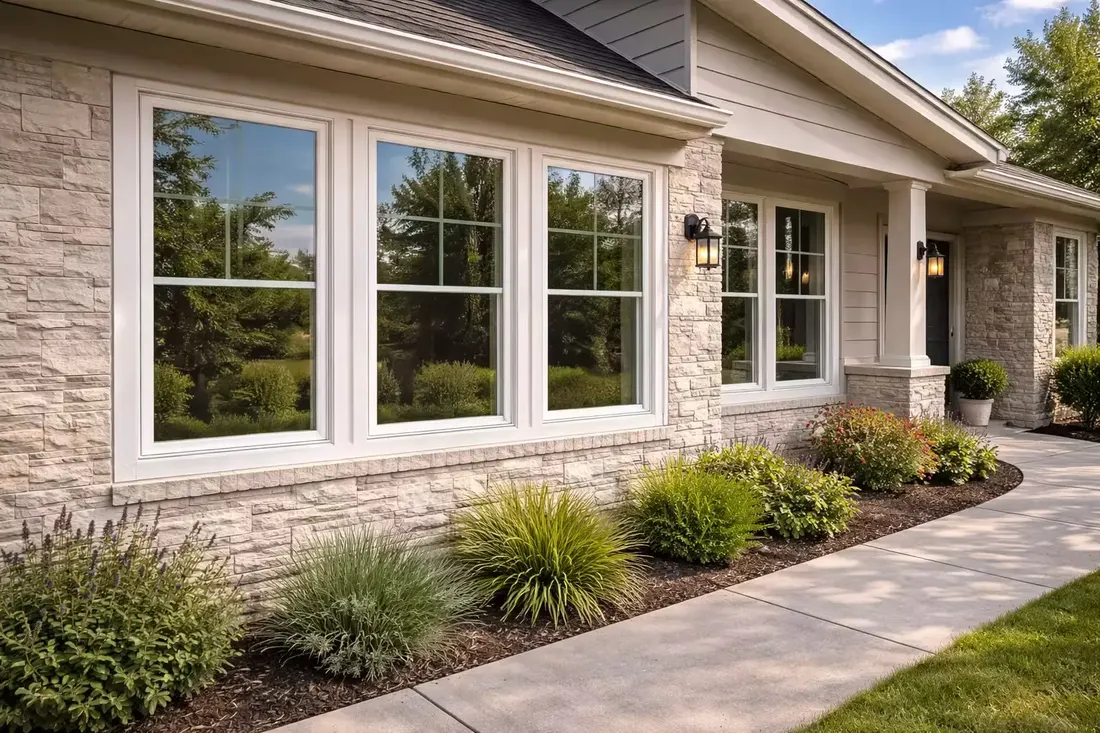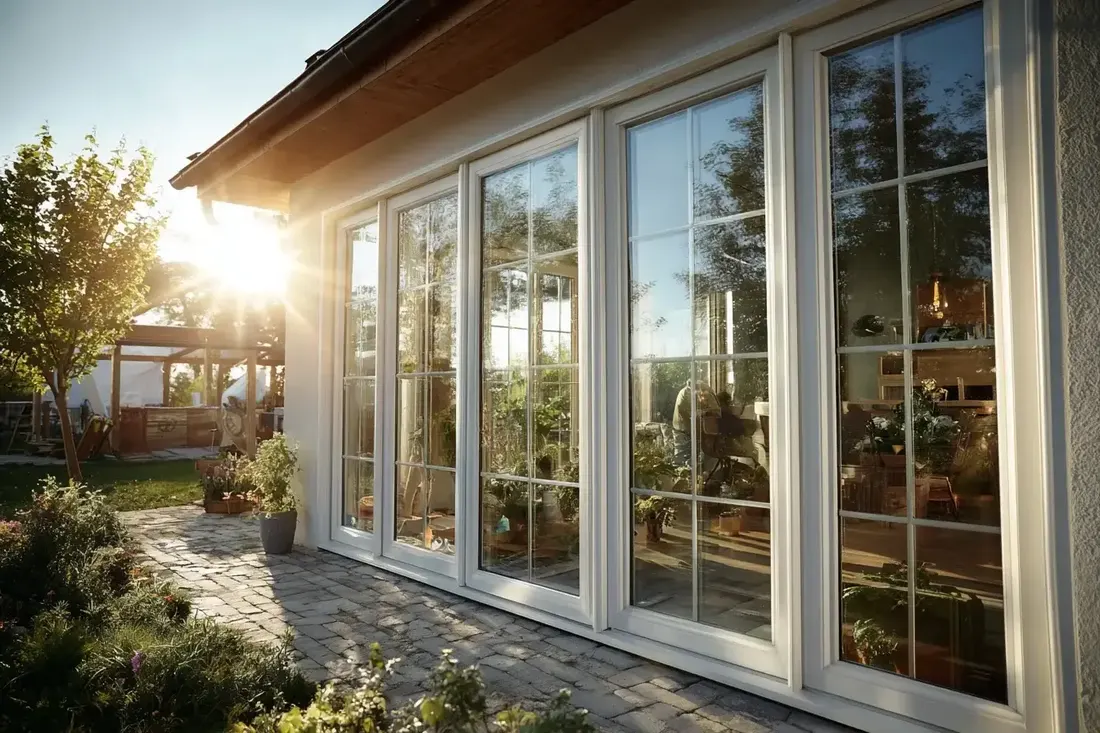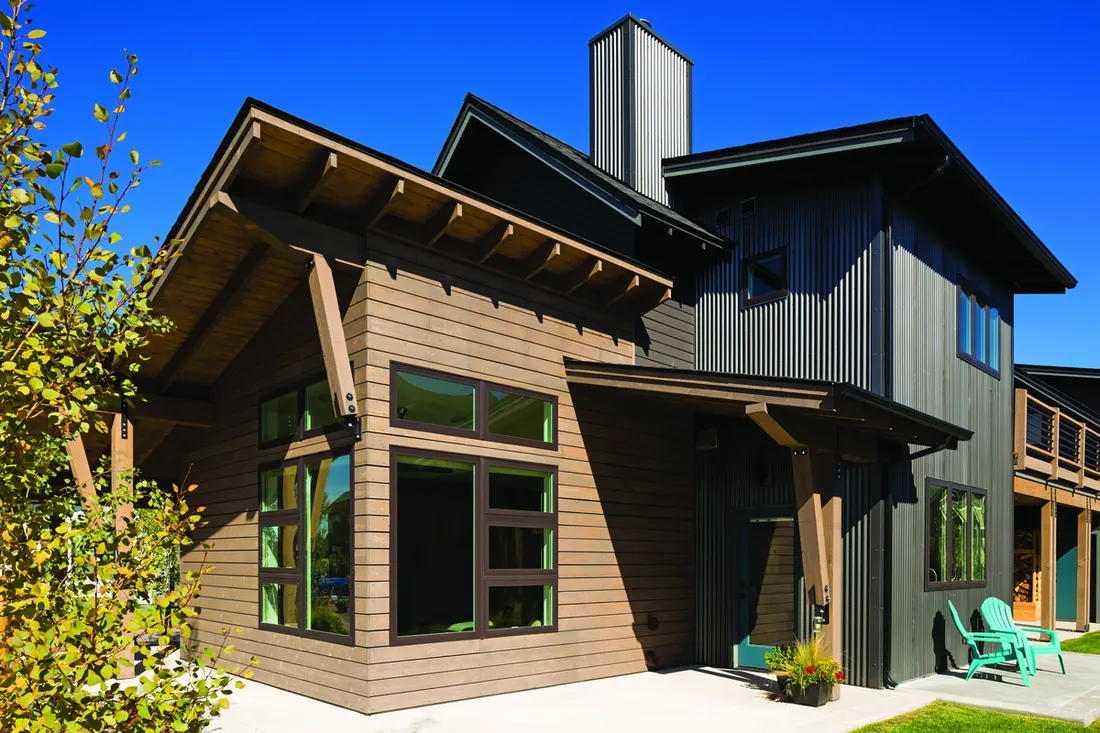
Window installation quality means how well a crew prepares the opening, sets the window level and square, flashes it against water and seals the gap around it. A good window in a poor install leaks air and water. In most houses the install matters at least as much as the label on the glass.
The short answer
- Window installation quality means preparing the opening, setting the window square, flashing it and sealing the gap.
- A rating label describes the window as tested, so it cannot tell you how well the gap around it was sealed.
- Flexible sealant lets joints move with the seasons, while rigid filler cracks and lets in air and water.
- Most install problems show within the first seasons as drafts, stains under a sill or a binding sash.
- Check the work from inside, from outside and after weather, and report any problem in writing with a photo.
Nobody sees most of what makes a window install good. It happens inside the wall, around the edges, and in the first hour of work. By the time you find a problem, the trim is on and the crew has gone. That is why it helps to know what the work should include before the day begins.
What does window installation quality actually include?
Four jobs: preparing the opening, setting the window level, plumb and square, flashing it so water drains out, and sealing the gap around it. Trim and cleanup come last. If any one of the four is skipped, the best glass on the market will still leak or draft.
- Remove the old window and inspect the opening for soft wood or rot.
- Repair any damaged framing before the new window goes in.
- Flash the sill and the sides so water runs out of the wall, not into it.
- Set the window, then shim it until it is level, plumb and square.
- Fasten it as the manufacturer directs.
- Fill the gap around the frame with insulation that stays flexible.
- Seal the outside edge with a sealant that can stretch.
- Finish the trim inside and out, and clean up.
This is the order we work in. The steps are not secret. They are simply easy to rush, which is why you should ask a company to walk you through its own version.
Why does the opening matter as much as the brand?
Because the rating on a window describes the window as tested, not your wall. The National Fenestration Rating Council label tells you about the product. It cannot tell you whether the gap around it was sealed, or whether the flashing sheds water. Those are decisions made on site.
North Texas adds its own demands. Much of Dallas, Plano and Frisco sits on clay that moves with the seasons, so a house can shift a little between a wet spring and a dry August. Joints around a window need to stretch with that. A flexible sealant lets them. A rigid fill cracks, and the crack becomes a path for air and water.
Fort Worth houses, built over thin soil and limestone, are a different case, and older houses everywhere have their own quirks. That is the reason we measure each opening before we talk about styles, and why no two openings are treated as the same.
What goes wrong when windows are installed badly?
The signs usually appear in the first seasons. Water shows up under a sill after a hard rain, drafts appear on a cold windy day, a sash binds in the first hot spell, or the sealant cracks at the trim. The table links each sign to its likely cause in the install.
| What you see | Likely install cause | When it shows up |
|---|---|---|
| Water stain under a sill | Missing or wrong flashing at the sill | After the first hard rain |
| Draft at the edge of the frame | Gap left empty or poorly sealed | On the first cold, windy day |
| Sash binds or will not latch | Frame set out of square or twisted | At once, or in the first hot spell |
| Cracked sealant at the trim line | Rigid filler with no room to move | Over the first few seasons |
| Soft wood around the frame | Rot left in the opening, or water entering behind the trim | Months to years later |
Most of these are cheap to prevent and costly to fix after the trim is on. That is the strongest argument for paying attention on install day, and for asking the crew lead to show you the opening before the new window goes in.
How can you check the work after the crew leaves?
Check from inside, from outside and after weather. Most problems show in one of those three places. You do not need tools, just a calm half hour and a flashlight, and it is worth doing within the first few months while the work is fresh.
- Work every sash up and down or side to side, and latch it. Any grinding or force means something is out of line.
- Look at the outside edge of each window. The sealant should be one even, unbroken line.
- On a windy day, run the back of your hand around the frame. A cold stream means a gap.
- At night, switch the room light off and shine a flashlight along the frame from inside while someone looks from outside. Light showing through is a gap.
- After the first hard rain, look under each sill and at the wall below for dampness.
A cold snap like the freeze of December 2022 is the best test of all, because every gap makes itself felt. If you find a problem, write it down with a photo and send it to the company in writing so there is a record.
Does the brand still matter?
Yes, but in a different way. The brand sets the product, the glass options and the warranty terms. The crew sets how well all of that works in your wall. We install Andersen windows, and you can read the warranty terms on the Andersen website before you commit to anything.
One honest rule: do not pay extra for a premium line if the installer is rushed. A plainer window set carefully will often serve you better than a top-line window set badly. Our post on hiring a window installer in DFW shows how to judge the crew, and how new windows improve energy efficiency covers what a good install makes possible.
If water is already a problem on your walls, our post on spotting water damage behind siding will help you tell whether the window or the wall is the cause. To see which lines we install, visit our windows page. American Eagle Builders offers free in-home estimates across Dallas–Fort Worth.
Questions we get asked about this
The brand sets the product, but the install decides whether it performs in your wall. A rating label describes the window as tested, not how the gap around it was sealed or how water is shed. A good window set badly can leak air and water.
Flashing is a waterproof layer, often a tape or a metal or plastic piece, that guides any water that gets behind the siding or trim out of the wall instead of into it. At a window it is installed at the sill and the sides before the window is set.
It depends on the number of windows, their size, the condition of the openings and any repairs needed. A careful crew will not rush, because the steps inside the wall cannot be redone later. Ask the company what the schedule for your house depends on.
Open and close every sash, look for an even unbroken sealant line outside, feel for drafts on a windy day, and check under each sill after the first hard rain. If you find a problem, photograph it and report it in writing to the company.
Yes. We remove the old window, check the opening for rot, set the new unit, shim it square and flash it into the wall. American Eagle Builders is a family-owned remodeler in Arlington, serving Dallas–Fort Worth since 1984. Free in-home estimates include a look at the openings.