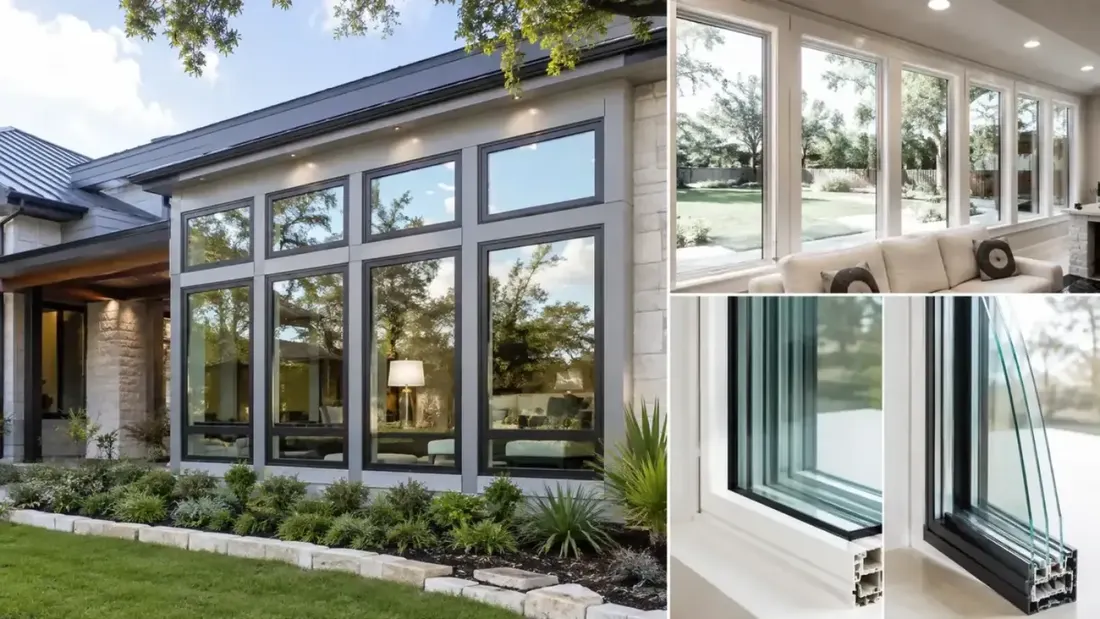
Window replacement myths are the common beliefs about new windows that sound sensible and turn out wrong, or only half right, for a North Texas house. Here are nine, grouped by glass, price and timing. Each has a short answer and the reason behind it, and none needs a statistic to check.
The short answer
- Two windows with the same number of panes can perform very differently, so compare the label numbers.
- Triple pane is not always better in Texas, because our long cooling season is driven by sun through the glass.
- Fog on the inside of the glass in a freeze is often humidity, while moisture between the panes means a failed seal.
- No single payback figure fits every house, so do not replace working windows only to save on bills.
- A drafty window is often a worn seal strip or lock, which is a repair rather than a replacement.
Window advice travels by word of mouth, and some of it was true once, or true somewhere else. North Texas has hot summers, short hard freezes and soil that moves, so a rule from a different climate can lead you wrong. Here is what holds up and what does not.
Which myths about window glass and ratings are wrong?
Four of them. Each is about what the glass does, and each can be checked against the rating label that comes on every rated window. The label comes from the National Fenestration Rating Council, and the table at the end of this section shows what each number means.
Myth: All double-pane windows perform the same
Not true. Two windows with two panes can differ in the coating on the glass, the gas between the panes and the spacer at the edge. Those details change how much heat passes through and how much sun gets in. Compare the numbers on the label, not just the pane count.
Myth: Triple pane is always better in Texas
No. A third pane adds weight and cost, and our long cooling season is driven by sun coming through the glass. A good coating on the sunny wall often matters more than a third pane. For a closer comparison, see our post on double-pane versus triple-pane windows.
Myth: Low-E coating makes a room dark
Modern coatings are very thin and are made to let visible light through while limiting heat. The label has a number for visible transmittance that tells you how much light passes. Look at samples in daylight, and let your own eyes confirm it.
Myth: Moisture on the glass means the window has failed
It depends where the moisture is. Fog on the inside of the glass during a hard freeze, like the one in December 2022, often points to humidity in the house. Moisture trapped between the two panes means the seal has failed. Only the second one is a window problem.
| Label number | What it measures | Which way is better |
|---|---|---|
| U-factor | How much heat passes through the window | Lower |
| Solar Heat Gain Coefficient | How much of the sun’s heat comes through the glass | Lower for a long cooling season |
| Visible Transmittance | How much daylight comes through | Higher means more light |
| Air leakage | How much air passes around the sash | Lower |
Use the table with any window you are shown. Ask the person to point to each number on the label and say what it means for your sunniest wall. Then ask for the same numbers on the other windows you are weighing. A real comparison is only a few lines long, and it fits on one sheet of paper at the kitchen table.

Which myths about price and payback are wrong?
Two stand out. One says new windows pay for themselves fast, and the other says the most expensive window is the best one for you. Both are shaped by a wish for a simple answer, and neither survives a look at your own house.
Myth: New windows pay for themselves quickly
Payback depends on the windows you have now, the ones you buy and how you use the house, so no one number fits. Better windows may lower your cooling load, but most people replace them for comfort, condition and looks too. If your windows still work well, do not replace them only to save on bills.
Myth: The most expensive window is the best choice
The best window is the one that fits the wall and the way you live. A top-line window on a shaded north wall does work you did not need, and a plain one on the sunniest wall may do too little. Among the Andersen lines we install, each one is for a different need. See the windows page for how they differ.
Which myths about timing and old houses are wrong?
Three of them. They concern whether to replace at all, whether to do it all at once, and what a drafty window is telling you. Each one can send you toward a bigger job than the house needs, or away from one it does.
Myth: Only old houses need new windows
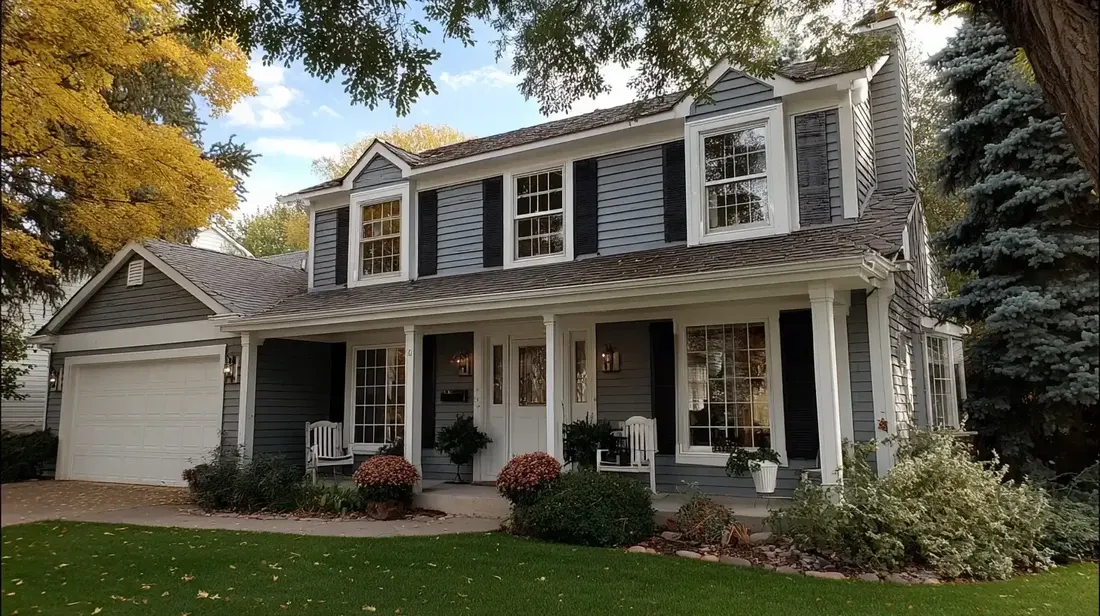
Age is only one cause. A newer house can have windows with failed seals, plain glass on a hot wall or a poor install. An older house can have windows that are fine. Judge each window by its condition, not by the year on the house.
Myth: You have to replace every window at once
You do not. Many people work wall by wall, starting with the worst or the sunniest. The cost of that choice is a mixed look if you wait years between phases. Ask for a plan for the whole house, then decide how to phase it.
Myth: A drafty window always needs replacing
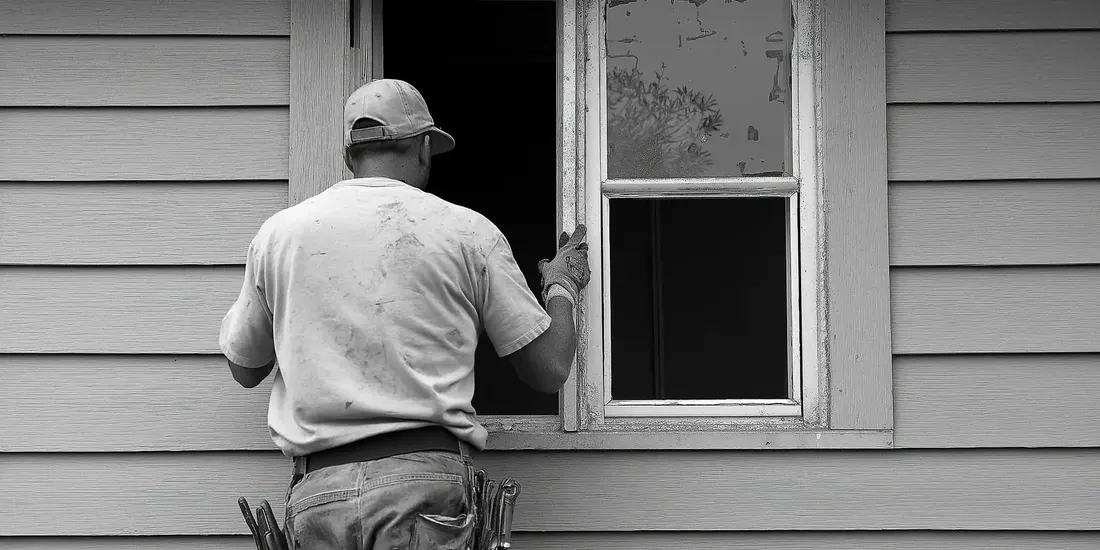
Often the cause is a worn seal strip or a lock that no longer pulls the sash tight. Those are repairs. Our post on window repair in DFW shows how to sort a fix from a replacement.
How can you check a window claim yourself?
Ask to see the label, and ask what each number means for your wall. A salesperson who can read the label with you is a better guide than one who gives you a rule. You can also compare against ENERGY STAR criteria for your climate region.
In a summer like 2023, the walls that took afternoon sun did most of the work, and that is where label numbers matter most. Our post on how often windows should be replaced adds the age question. American Eagle Builders offers free in-home estimates across Dallas–Fort Worth, including in Arlington and Fort Worth, and we will read the label with you.
Questions we get asked about this
Sometimes, but not always. A third pane adds weight and cost, and our long cooling season depends on how much sun comes through the glass. A good coating on the glass facing afternoon sun may matter more. Compare labels for your sunniest wall.
Not noticeably in most modern windows. The coating is thin and designed to let visible light through while limiting heat. The label lists visible transmittance, which tells you how much daylight passes. Look at samples in daylight if you are unsure.
Moisture on the inside surface of the glass during cold weather is often humidity in the house, not a failed window. Moisture trapped between the two panes means the seal has failed and the glass unit or window needs replacing.
It depends on what you replace. Failed windows swapped for good ones change a lot, and well-chosen glass may lower your cooling load. Comfort, condition and looks count as well. If your current windows work, replacing them only to lower bills is not a good enough reason.
You can, but a window that is set badly leaks air or water, and the fix costs more than the saving. Each opening must be measured, flashed and sealed. On a house built before 1978, old paint may also contain lead and needs lead-safe handling.