Window replacement cost is the total of the windows, the labor, the finishing and the removal of the old units. You lower it by changing one of those on purpose, such as the scope or the series, and never by cutting the sealing and flashing that keep water out.
The short answer
- Lower the cost by changing the scope or the series on purpose, never by cutting the sealing.
- Phasing works when you choose the whole-house design first so the later windows match.
- The series you choose on each wall is the biggest lever on an estimate.
- Do not skip flashing, shimming or sealant, because water damage costs far more than the saving.
- Financing spreads payments but does not lower what the project costs.
- Ask each company to price your choices in writing so you can see what each one changes.
Window replacement cost is the total of the windows, the labor, the finishing and the removal of the old units. That is useful to know, because each part can be changed on purpose. A project gets cheaper when you decide what to change. It gets worse when someone quietly skips a step you cannot see, such as the sealing around the frame. This post shows the changes worth making, and the ones that are not.
What drives window replacement cost?
Six things do most of it: how many openings you have, how big and what shape they are, which series and frame material you choose, the glass package, the finish and grille style, and how hard the openings are to reach and finish. We do not print figures here because each house is different, but those six are where an estimate moves.
Access and condition count more than people expect. A second-story window with rotted trim behind it is more work than a ground-floor window in good shape, even when the product is the same. That is one reason an estimate needs someone to look at the house first. It is also why a number given over the phone, before anyone has seen the openings, is only a guess. Ask for the in-home visit before you start comparing totals.
Which changes lower the cost without hurting the result?
The safe ones change what you are buying, not how well it is installed. Use the table below as a menu, and ask each company to price the choices you like so you can see the difference in writing.
| Change | Why it can lower the total | What to watch |
|---|---|---|
| Replace in phases | You spread the project over more than one order | Later windows must match the first group |
| Standard sizes where openings allow | Standard units avoid made-to-order work | Do not force a standard size into an opening that is out of square |
| Simpler grille pattern | Plain glass is simpler to build than divided lites | Check any HOA or style rules first |
| A series that fits the wall | A composite-frame line costs less than a custom one | Keep the better product for the walls that need it |
| Glass matched to the wall | Spend on low-SHGC glass where sun is hardest | Do not drop the coating on the west side |
| Keep sound trim | Less finishing work inside and out | Only if the trim and the framing behind it are in good condition |
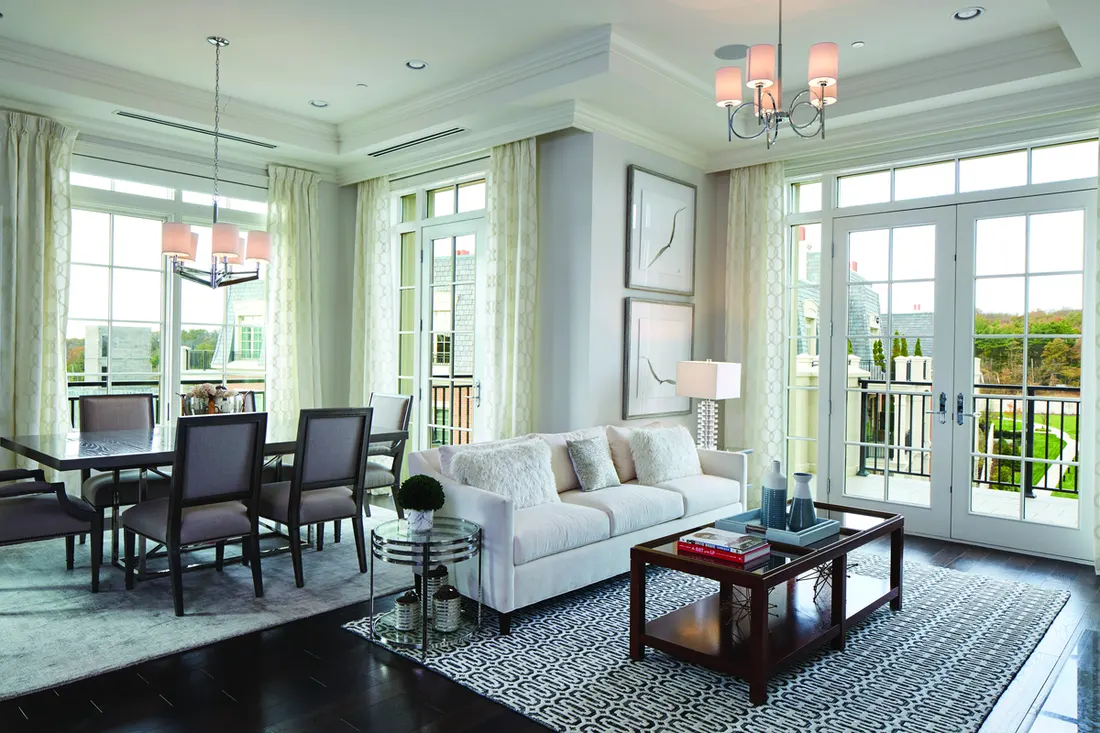
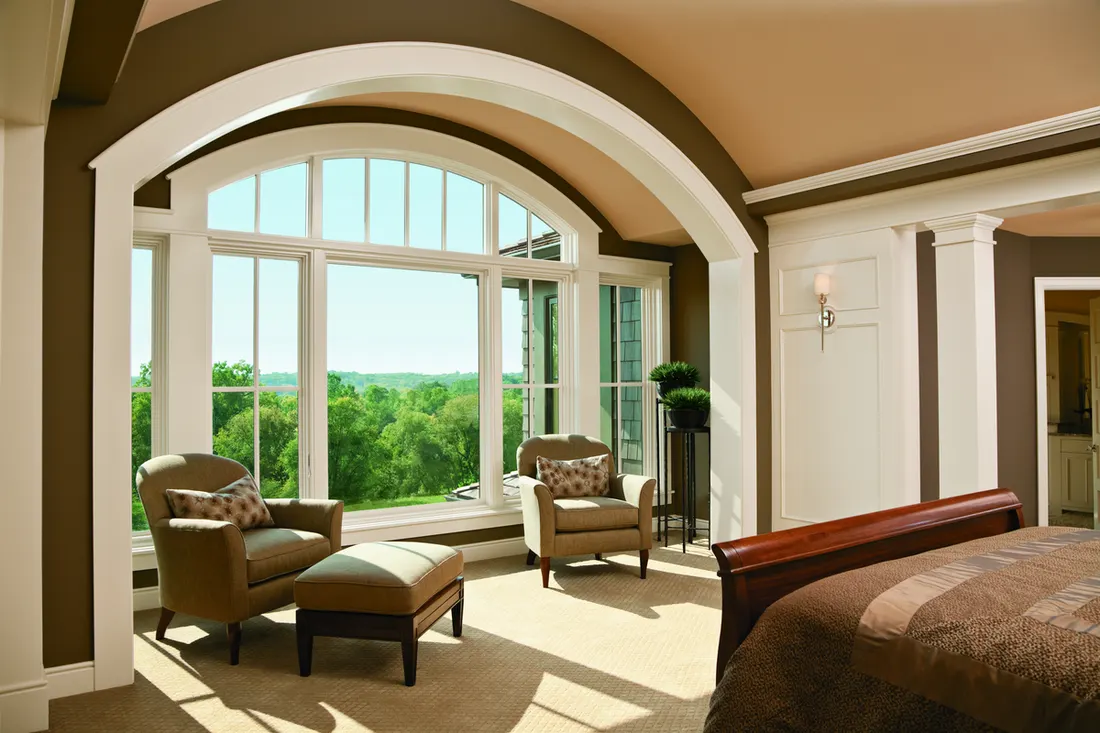
The series is the biggest lever. Our 100 Series has a composite frame and suits a whole-house replacement. The 400 Series pairs a wood interior with exterior cladding, and the A-Series and E-Series are made for specific styles and unusual openings. Put the better product on the walls that need it and keep the plainer one where the stakes are lower. Mixing lines is fine as long as the frame color and style read as one design from the street.
Which cuts are not worth making?
Anything that protects the opening from water or leaves a gap. A window can be fine and still leak at the sill if the flashing and sealant were rushed. The saving shows up on the estimate, and the loss shows up inside the wall years later.
- Skipping the flashing, sealing or shimming that keeps water out of the wall.
- Choosing the lowest installer without asking who measures and who warrants the work.
- Dropping a low-SHGC glass package on a west wall to save on the order.
- Removing old windows yourself without asking how that affects the warranty.
- Cutting the scope so the estimate looks smaller, then paying for the rest later.
Our post on getting the best deal on replacement windows shows how to put estimates side by side so you can see what a lower total actually removed.
Should you replace windows in phases to spread the cost?
It can work, if you plan the order and ask about the match. Start with the walls that take the most sun and the windows that are already failing, then do the rest later. The risk is a mismatch in color, grille or frame between phases, so choose the whole house design first.
In North Texas the order is easy to set. The summer of 2023 left many homeowners knowing which rooms were hardest to cool, and those are the west and south windows. Our post on choosing energy-efficient windows shows how to match glass to each wall. If you are in an HOA, as many Southlake and Frisco homeowners are, check color and grille rules before you pick a cheaper style that you may have to redo.
Do timing and financing lower the cost?
Financing spreads payments over time. It does not lower the cost of the job, so read the terms the way you would read any loan. We have a financing page if you want to see how that works with us.
Timing is similar. Being flexible about dates can help a crew plan, so it is fair to ask whether it changes anything. Do not assume a particular season brings a discount, and be careful of a price that is good only if you sign the same day. A fair estimate stays fair next week.
For background on how windows are rated and built, the Efficient Windows Collaborative is a good reference, and ENERGY STAR’s window pages list certified products by climate. American Eagle Builders offers free in-home estimates across Dallas–Fort Worth, and we can price your project in phases or all at once.
Questions we get asked about this
The number of openings, their size and shape, the series and frame material, the glass package, the finish and grille style, and how hard each opening is to reach and finish. Condition matters too, since rotted trim or a bent frame adds work to the job.
It spreads payments over time, and it lets you start with the walls that matter most. It does not always lower the total, and mismatched styles between phases can look uneven. Ask for the whole-house estimate and the phased one, and compare how the match is handled.
Often they are, because they avoid made-to-order work. But a standard size only helps if the opening is square and close to that size. Forcing a standard unit into a poor fit costs more in trim and sealing than it saves.
Never cut the flashing, sealing or shimming that keeps water out, and do not skip a proper measurement. Also avoid dropping the glass coating on a west-facing wall. Those savings show up on paper but cost more later in leaks and cooling.
No. Financing spreads the cost into payments, and it may add its own charges depending on the terms. Read the terms in writing. American Eagle Builders has a financing page, and we offer free in-home estimates so you can see the project first.