The signs to replace windows are symptoms a repair will not cure: fog between the panes, a soft or rotted frame, a sash that will not close square and a lock that no longer holds. A drafty or sticking window alone often needs only a repair, so test each one before you decide.
The short answer
- Fog between the panes, a soft frame and a lock that gives are the clearest signs to replace a window.
- Drafts and sticking sashes often point to a part that can be repaired.
- A screwdriver pressed into the sill tells you quickly whether wood is soft.
- Rot that reaches framing, cracked glass and a failed lock should not wait.
- Ask for a repair estimate and a replacement estimate on the same window.
- Older houses can have lead paint on frames, so ask whether the crew is lead-safe certified.
A sign it is time to replace a window is a symptom that a repair will not cure. Plenty of window problems are not that. A stiff sash or a drafty edge can often be fixed in an afternoon. The trick is telling the two apart, and you can do that in a few minutes with a flashlight, a screwdriver and a strip of tissue. Here is a test for each sign, room by room.
What are the signs to replace windows?
Eight signs come up most. Each one has a quick test and a verdict. The verdict is a first guess, since someone should look at the window in person before you spend money, but it will tell you which ones to put at the top of the list.
| Sign | Two-minute test | Likely verdict |
|---|---|---|
| Fog or film between the panes | Look at the glass in the morning light from inside | The seal has failed. Replace the glass unit or the window |
| Soft or rotted frame or sill | Press a screwdriver tip into the wood | If it sinks in, replace. If it is just a dry crack, repair may do |
| Draft at a closed window | Hold a tissue strip near the edges on a breezy day | Often weatherstripping. Replace if the frame is warped |
| Sash that sticks or will not stay up | Open and close it several times, then check the tracks and balances | Often a clean-out or a part. Replace if the frame is out of square |
| Lock that closes but gives under pressure | Lock it, then push and pull the sash | A worn lock can be replaced. A bent frame cannot |
| Cracked or chipped glass | Look at the edges and the corners | One pane in a sound window can be re-glazed |
| Condensation on the inside of the glass | Check on a cold morning, and compare rooms | Often a humidity problem. Check the seal if it keeps coming back |
| Furniture and floors fading by a window | Compare a covered spot with the exposed one | Glass coatings can help, so ask about them if you replace |
Most of these are about condition, not age. Our post on how often to replace windows explains why an age alone is a weak guide, and why the west and south walls usually need attention first.
Which signs mean a repair is enough?
The ones that point to a part and not to the frame or the glass seal. A part can be replaced without replacing the window. If the frame is straight, the seal is clear and the window still closes square, repair is usually the better first move.
- A draft that comes from worn weatherstripping, with a straight frame.
- A sash that sticks because the track is dirty or a balance has worn.
- A lock that has failed but a frame that is square.
- One cracked pane in a window that is otherwise sound.
- Condensation on the inside of the glass that follows cold mornings and cooking, not a failing seal.
If you are still not sure, ask for a repair estimate and a replacement estimate on the same window. That tells you what the real choice is. Our post on the ten window replacement mistakes has a repair-or-replace table you can use as a second opinion.
Which signs should not wait?
Rot that reaches the framing, glass that is cracked through, and a lock that no longer holds. These are about the house, not just the window. Water in a wall can do more harm than the window itself, and a window that will not lock is a security gap.
- Soft wood at the sill or jamb, especially if the wall near it feels damp or stains the paint.
- Glass that is cracked through, which can fail without warning.
- A lock that gives, or a sash that you cannot close.
- Water marks below the window after a heavy rain.
If your house was built before the late 1970s, the paint on old frames can contain lead. Disturbing it during removal needs care, and the EPA’s lead renovation, repair and painting program sets the rules for firms that work on older housing. American Eagle Builders is an EPA Lead-Safe Certified Firm.
How do you run a walk-through test yourself?
Pick a breezy, bright day and take twenty minutes. Carry a flashlight, a screwdriver, a tissue strip and a notepad. Do the inside of each room first, then walk the outside of the house and look at the same windows from there.
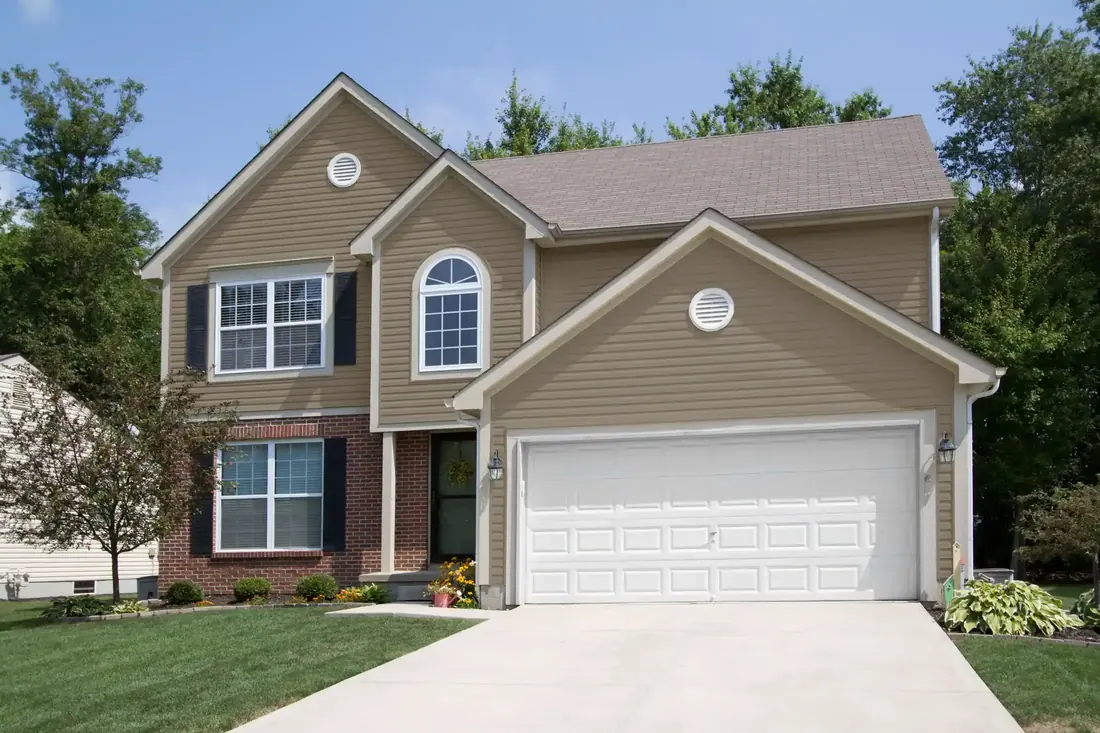
On the outside, look at the caulk lines, the sill and the paint. Stand back and check whether the windows on each wall look square to the siding. In Dallas and Plano, where Blackland clay moves a house a little with the seasons, a window that has gone out of square is worth a second look. Write down each window with a note and a date. The U.S. Department of Energy’s window page has more on how air and heat move through a window if you want the background.
How does North Texas weather show up in window trouble?
It shows up as drafts and as hot rooms. A freeze like the one in February 2021 or in December 2022 makes a leaky window obvious, because you feel the draft. A long summer like 2023 does the same for the west and south walls, because you feel the heat. If a room was hard to hold at the right temperature both times, mark its windows.
Once you have a list, compare estimates the same way for every window. Our post on getting the best deal on replacement windows shows how. American Eagle Builders offers free in-home estimates in Dallas–Fort Worth, and our windows page shows the Andersen lines we install.
Questions we get asked about this
Look for fog between the panes, a soft or rotted frame, a sash that will not close square and a lock that no longer holds. Those usually point to replacement. Drafts or sticking alone may need only a repair, so test each window and compare both options.
Moisture between the panes usually means the seal around the glass unit has failed and the gas fill has escaped. The glass unit, or the whole window if the frame is also tired, generally needs replacing. Condensation on the inside surface is a different problem and is often humidity.
Often. Worn weatherstripping and failed caulk cause many drafts and can be fixed. If the frame is warped, the sash is bent or there are gaps that caulk cannot hold, replacement is more likely. Ask for both estimates on the same window to compare.
Not always. A dirty track, swollen paint or a worn balance can all make a sash stick. If the frame is out of square or warped, that is a bigger issue. Clean and test it first, and have someone look if the sticking returns.
Yes. American Eagle Builders offers free in-home estimates and installs Andersen windows across Dallas–Fort Worth. We look at the frame, the seal and the fit, and we will say so when a window can stay and be repaired.