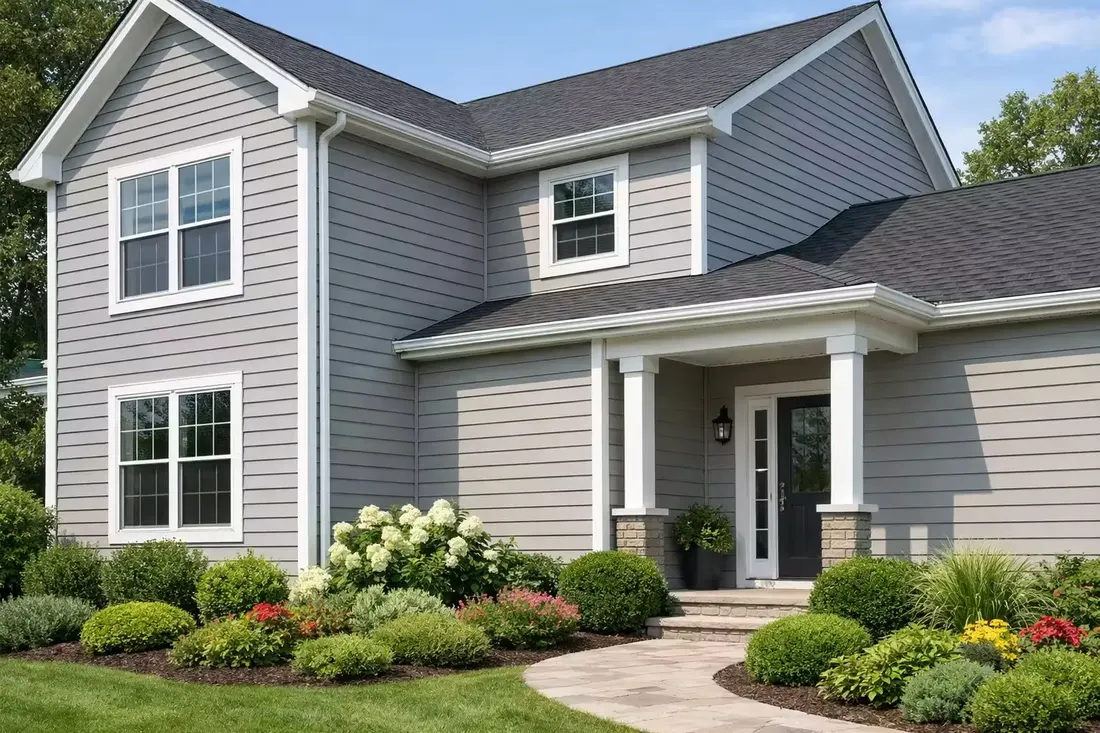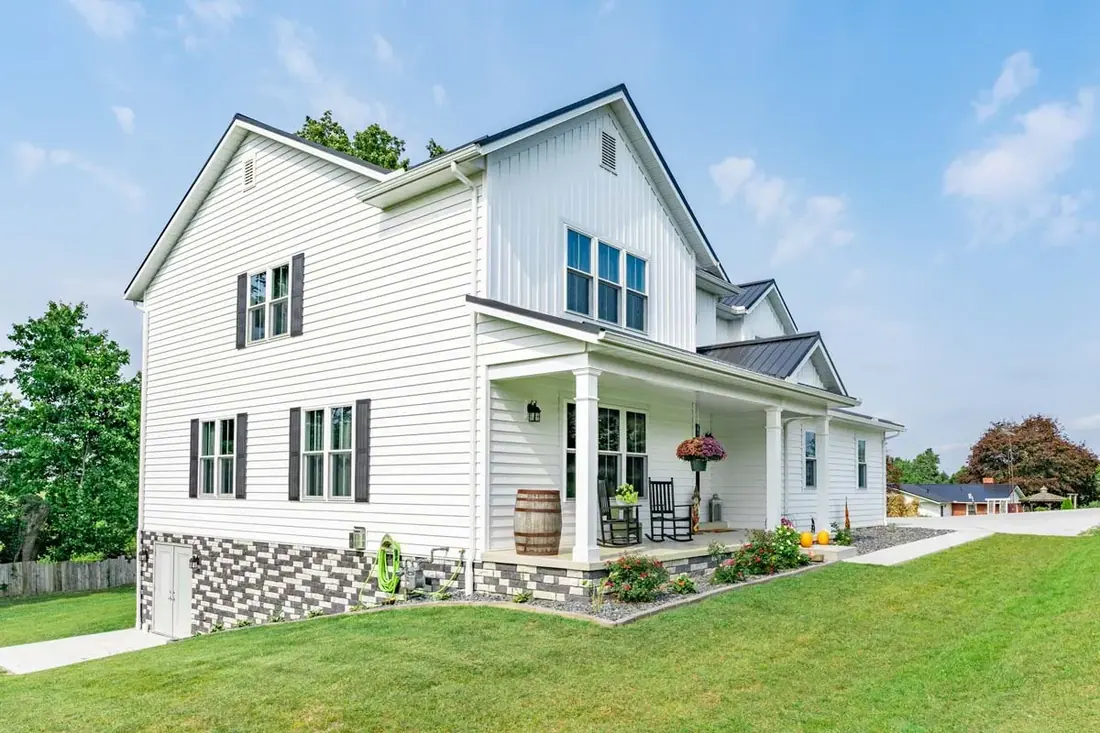
Insulated siding is a vinyl siding with a foam backing, and it needs a little care to stay sound. Insulated siding maintenance comes down to a gentle wash twice a year, a look at the caulk and gutters, and keeping heat and standing water away from the wall.
The short answer
- Wash insulated siding once or twice a year with a hose, a soft brush and mild soap.
- Never aim a pressure washer at close range, since it can push water behind the panels.
- Keep grills, fire pits and other heat sources well away from vinyl walls.
- Green film means the wall stays damp, so fix the cause as well as the stain.
- Keep spare panels, the color name and the product line for repairs after a storm.
Insulated siding is a low-upkeep wall, not a no-upkeep one. It never needs paint, but it does need a rinse, a look at the caulk and some attention to what touches it. Care is mostly about moisture and heat. Keep water from sitting on it, keep heat sources away from it and fix small problems early.
How do you clean insulated siding?
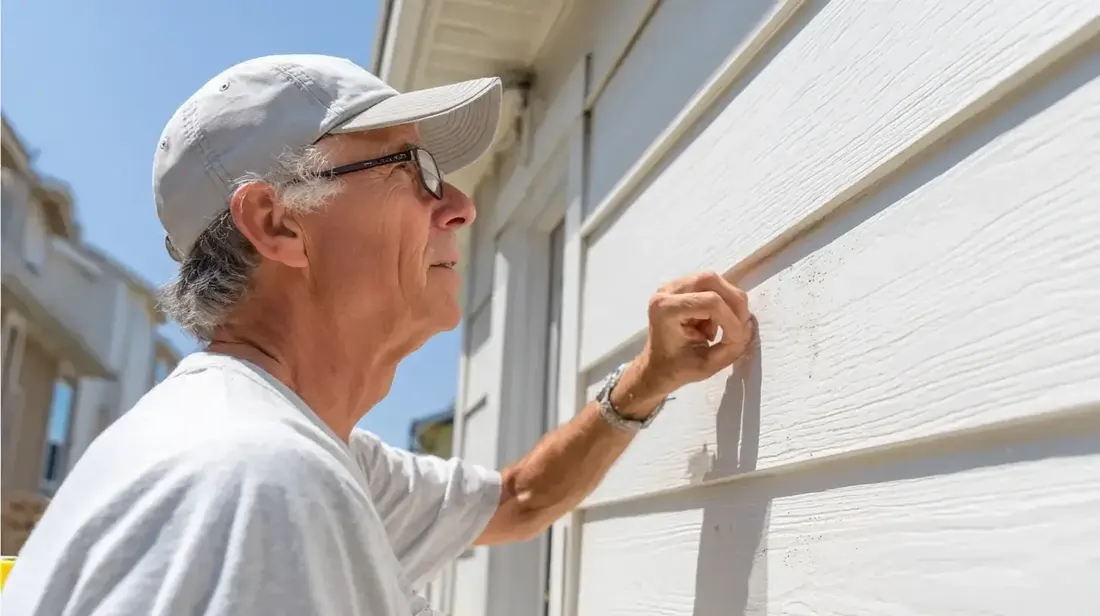
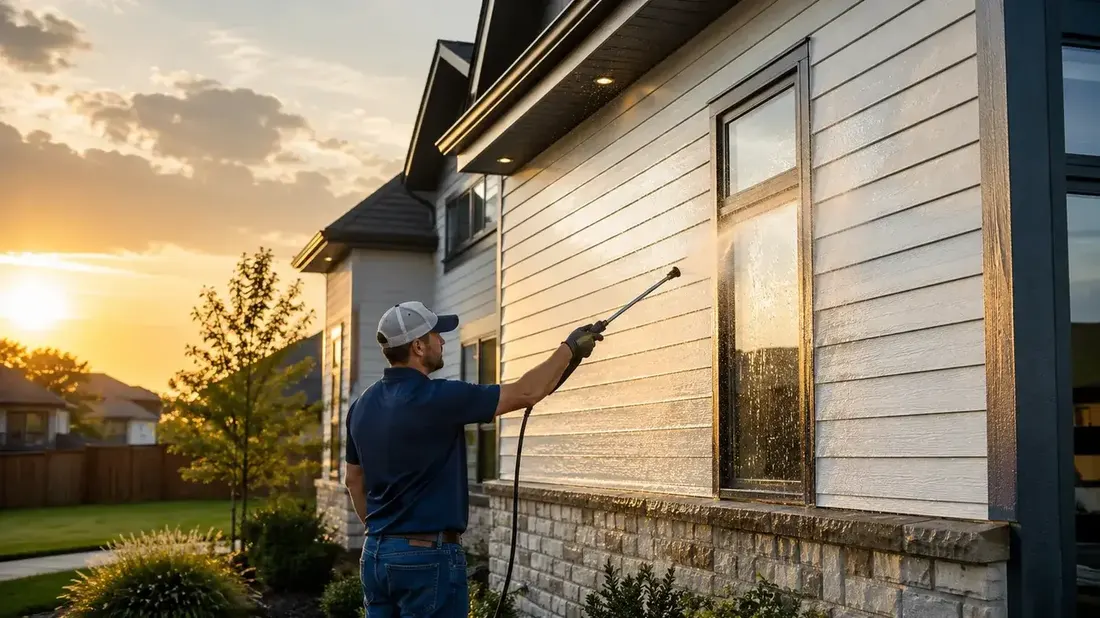
Use a garden hose, a soft brush and mild soap. Start at the top of the wall and work down, then rinse from the top so dirty water does not streak the clean area below. Most homes need this once or twice a year, in spring after the pollen and in fall after the heat.
Keep the nozzle at a normal garden-hose setting and the spray pointed down or level. Aiming water up under the panel edges can push it behind the siding. Work in the shade or on a cool day so soap does not dry on the surface. For stubborn spots, a longer soak and a gentle brush work better than force.
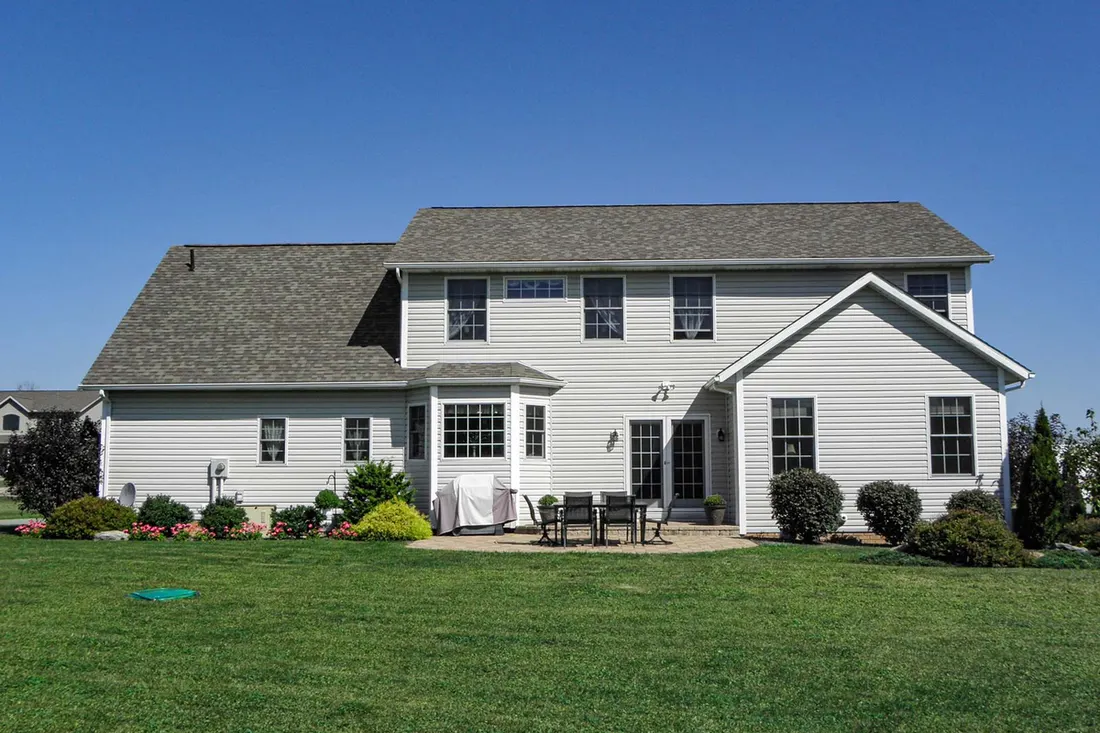
A few habits keep the work light. Wash from a ladder only if you are comfortable on one, and otherwise use an extension pole with a soft brush head. Check the weather first, since a washed wall that gets a day of drying is easier to inspect. While you are at it, look at the underside of eaves and the soffit, where wasp nests and moisture stains show up first.
What should you check, and how often?
A few small checks, spread through the year, catch most problems early. Put them on the calendar when you change your clocks or your air filters, so they happen. None takes more than an afternoon.
| Task | When | What you are looking for |
|---|---|---|
| Wash the walls | Spring and fall | Dirt, pollen, algae, spider webs |
| Check caulk at windows, doors and trim | Spring, after the winter | Cracks, gaps and peeling sealant |
| Clean gutters and check downspouts | Fall, after the leaves | Overflow marks on the wall, a downspout that dumps on siding |
| Walk the house after hail or high wind | After each storm | Cracked, dented or loose panels, lifted trim |
| Trim plants and branches | Any time they touch the wall | Rubbing, trapped moisture, shaded damp areas |
| Look at the lowest course | Twice a year | Swelling, stains or soil piled against the panels |
Springtime is also a good time to look for damage from the winter. Freezes like the one in December 2022 shrink materials, and the first warm days can show a gap at a joint. Re-caulk what has opened. Use a sealant made for exterior use, and ask a supplier for one that suits vinyl and trim.
How do the seasons change the care?
Each season asks for one thing. Spring asks for caulk and a wash. Summer asks you to keep heat and sprinkler water off the walls. Fall asks for clean gutters. Winter asks for little, because frozen siding is best left alone, and you should not chip ice off panels.
A hot summer such as 2023 is a good test of the walls. Look at the west and south sides in August for waves or panels that have shifted. A slight ripple that comes and goes is normal as vinyl moves. A panel that stays buckled points to nails driven too tight or heat from a nearby source.
What should you never do to vinyl siding?
Never put heat against it, and never force water behind it. Vinyl softens when it gets hot, and a panel that has warped does not go back. Most damage we see from homeowners comes from one of the following mistakes.
- Using a grill, fire pit or smoker close to the wall, or letting the grill’s heat reach the panels.
- Aiming a pressure washer at close range, which can drive water behind the panels.
- Using harsh solvents, abrasive pads or wire brushes that scratch the surface.
- Painting vinyl a darker color. Dark paint absorbs heat, and panels can warp.
- Letting sprinklers spray the wall every day, which keeps the siding wet.
One more caution. Low-E glass on a neighbor’s house can reflect concentrated sun onto your wall, which can distort vinyl. If you see a warped patch that lines up with a neighbor’s window, tell your installer.
What is the green film on my siding?
Most often it is algae or mildew, and it grows where a wall stays damp and shaded. It washes off with soap and a soft brush. The EPA’s mold page says the best way to control mold growth is to control moisture, and that applies to siding too.
So do not stop at cleaning. Ask why the spot stays wet. Common reasons are a sprinkler, a downspout, a shrub pressed against the wall or soil piled up at the bottom. Fix that, and the film stays gone. If the siding is clean but the wall behind it looks stained inside, read our post on spotting water damage behind siding.
When should you call a professional?
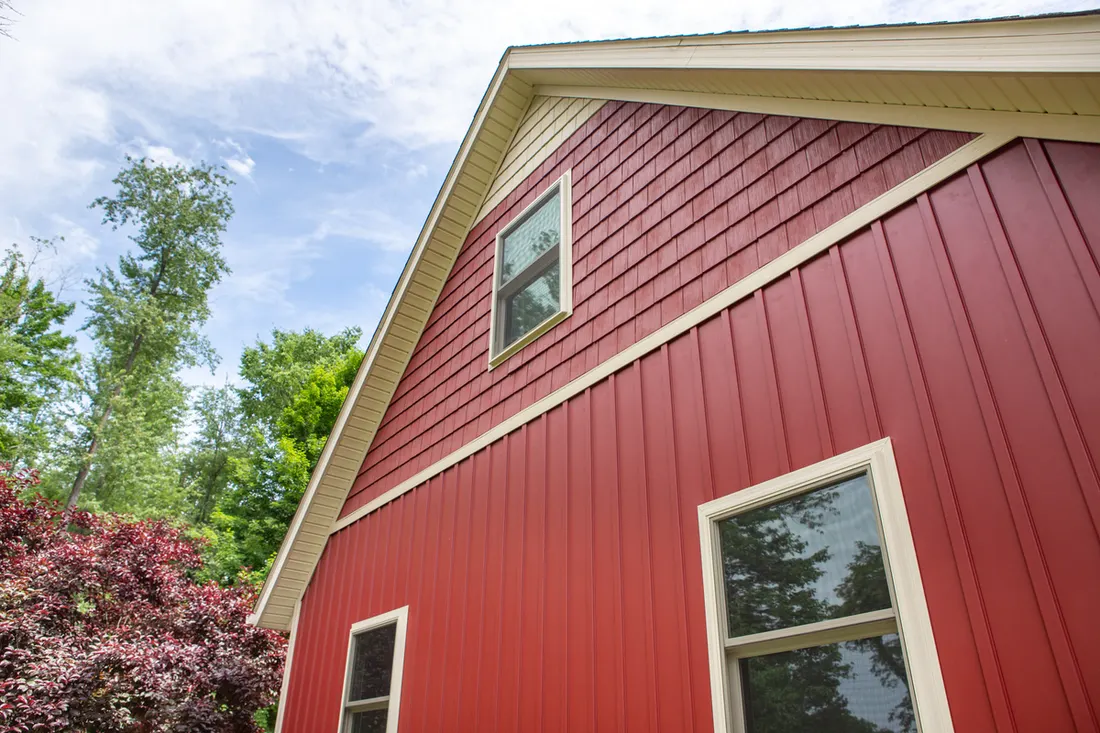
Call when a panel is cracked, buckled or loose, when caulk keeps failing in the same place, or when a wall shows stains inside. These can mean water is getting behind the siding. A small repair now is easier than a larger one after another season of wet weather.
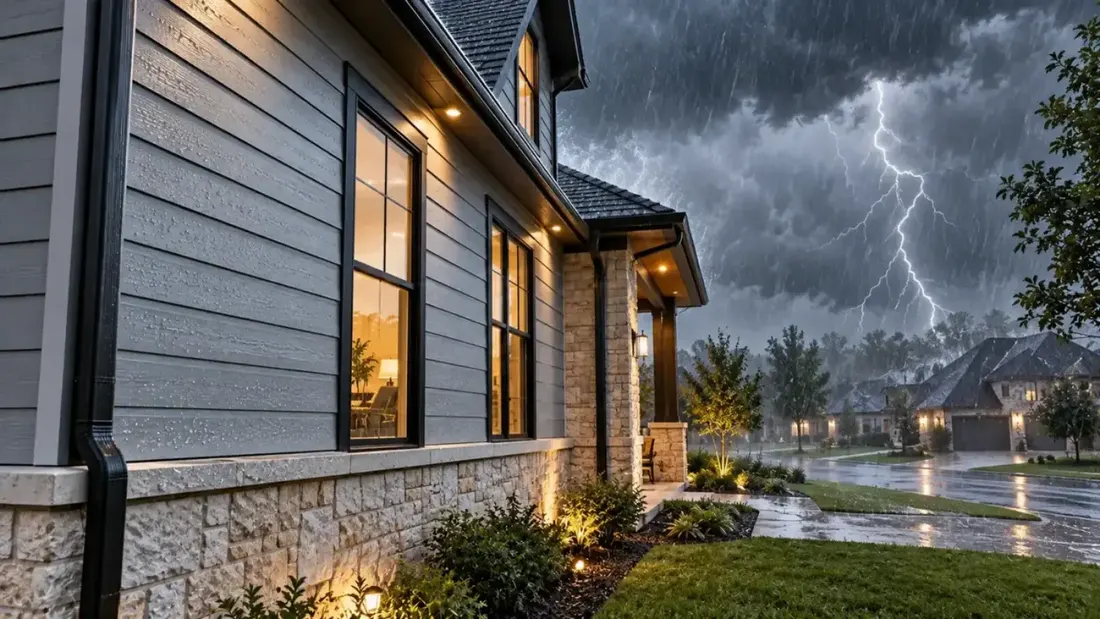
It also helps to keep a few spare panels from your own job, along with the color name and product line. After a spring storm, the National Weather Service Fort Worth office posts warnings and forecasts, which helps you plan a check. If panels were hit, see how insulated siding handles storms and what to expect after a replacement.
American Eagle Builders installs insulated vinyl siding across Dallas, Fort Worth, Arlington and the rest of DFW, and we are happy to look at an older wall that is giving you trouble. A free in-home estimate is the place to start.
Questions we get asked about this
Once or twice a year is enough for most homes, usually in spring and fall. Use a garden hose, a soft brush and mild soap, working from the top down. Walls that stay damp or shaded, such as the north side, may need more frequent attention.
It is better not to. A pressure washer at close range can drive water behind the panels and into the wall. A garden hose, a soft brush and mild soap handle most dirt safely. If you must use one, keep the pressure low and the nozzle well back.
No. Vinyl never needs paint, scraping or sealing. Do not paint it a darker color, because dark paint absorbs more heat and the panels can warp. Keep up with cleaning and caulk at windows and trim, and the siding looks fine for years.
Wash with mild soap and a soft brush, then rinse. Then find out why the area stays damp, such as a sprinkler, a shrub or a downspout, and fix it. If the stain returns, or the wall inside is stained, call a professional.
Walk the house in daylight, photograph any cracked, dented or loose panels, and check trim and gutters. Contact a siding contractor and your insurer if you plan to file a claim. American Eagle Builders offers free in-home estimates across Dallas-Fort Worth.