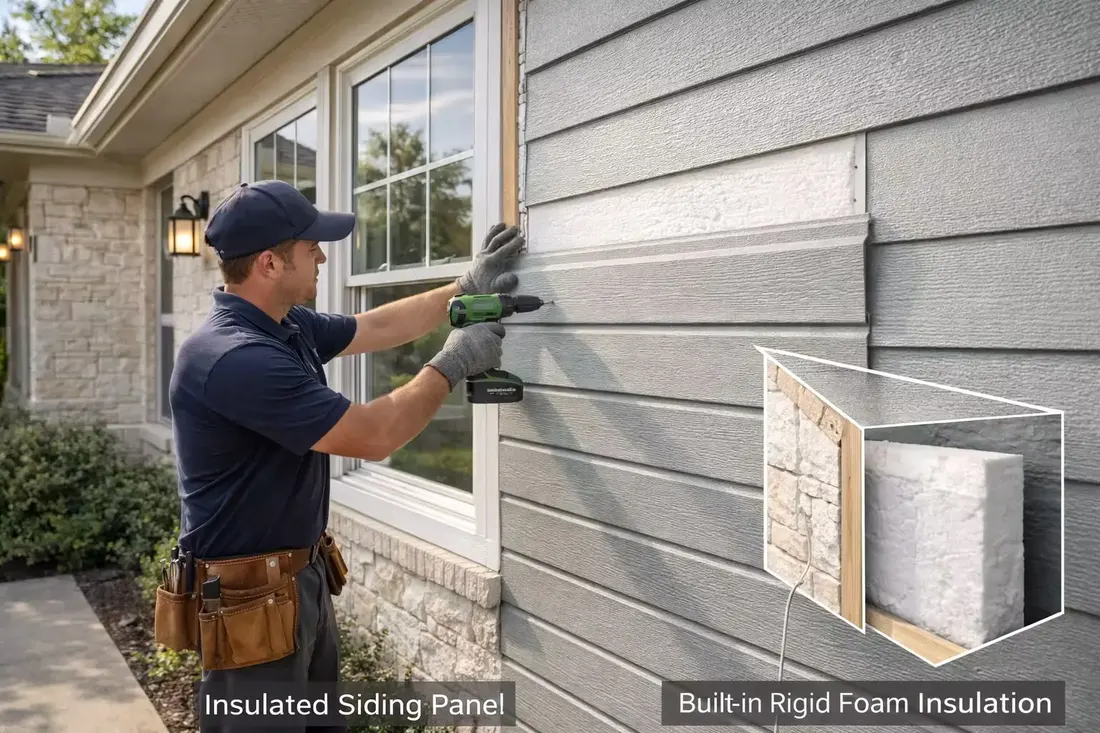
Insulated siding is vinyl siding with a layer of rigid foam bonded behind each panel. It works by adding a continuous layer outside the studs, which slows heat entering in summer and leaving in winter. It helps, but it is one part of the envelope along with the attic, the windows and the air sealing.
The short answer
- A foam layer behind the vinyl slows heat through the wall in both summer and winter.
- The layer covers the studs, which carry heat more easily than the insulated cavities.
- Insulated siding cannot fix air leaks, a thin attic or leaky windows.
- Look at the attic and the air sealing first if the whole upstairs runs hot.
- The foam cannot be added later without removing the siding, so decide when you replace it.
Walk up to a west-facing wall at five o’clock on an August afternoon and put your hand on it. That heat is on its way into the house. In January the flow runs the other way. Insulated siding is built to slow both trips, and it is easiest to understand if you follow the heat.
How does insulated siding work in a Texas summer?
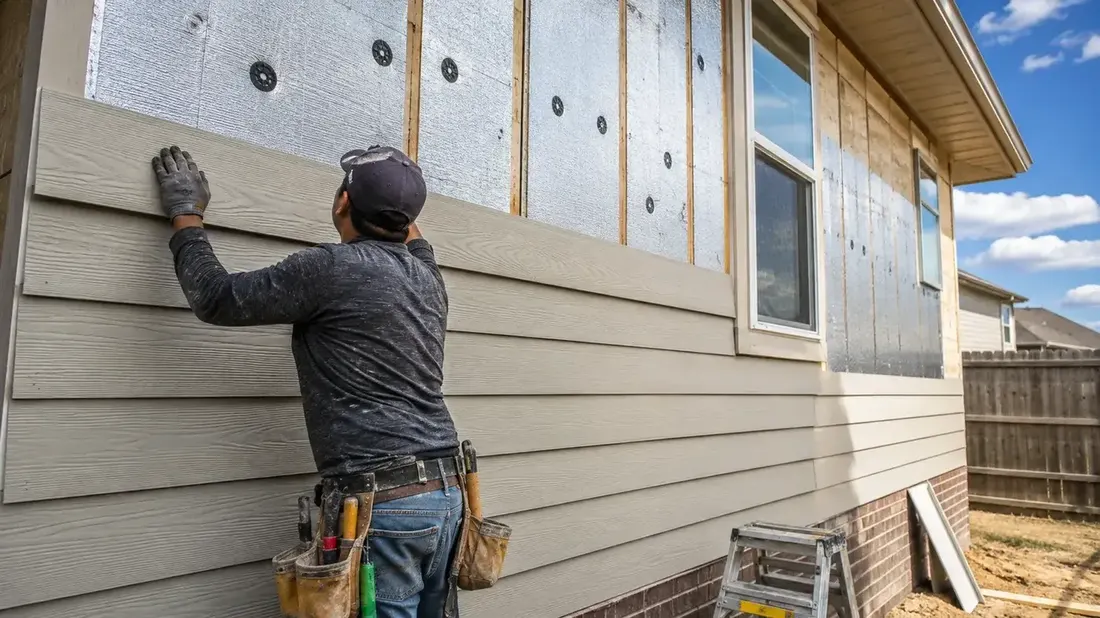
It slows heat that the sun pushes through the wall. Sun heats the outside surface, and that heat moves inward through the siding, the sheathing and the framing. A rigid foam layer bonded behind the vinyl panel gives that heat a slower path, so less of it reaches the drywall.
The foam also covers something the insulation inside your walls cannot: the framing. Studs carry heat more easily than the insulated cavities between them. A continuous layer outside the studs reduces that weak path across the whole wall. That is the main reason people choose it for rooms that run hot on the west and south sides.
How does it work in a winter freeze?
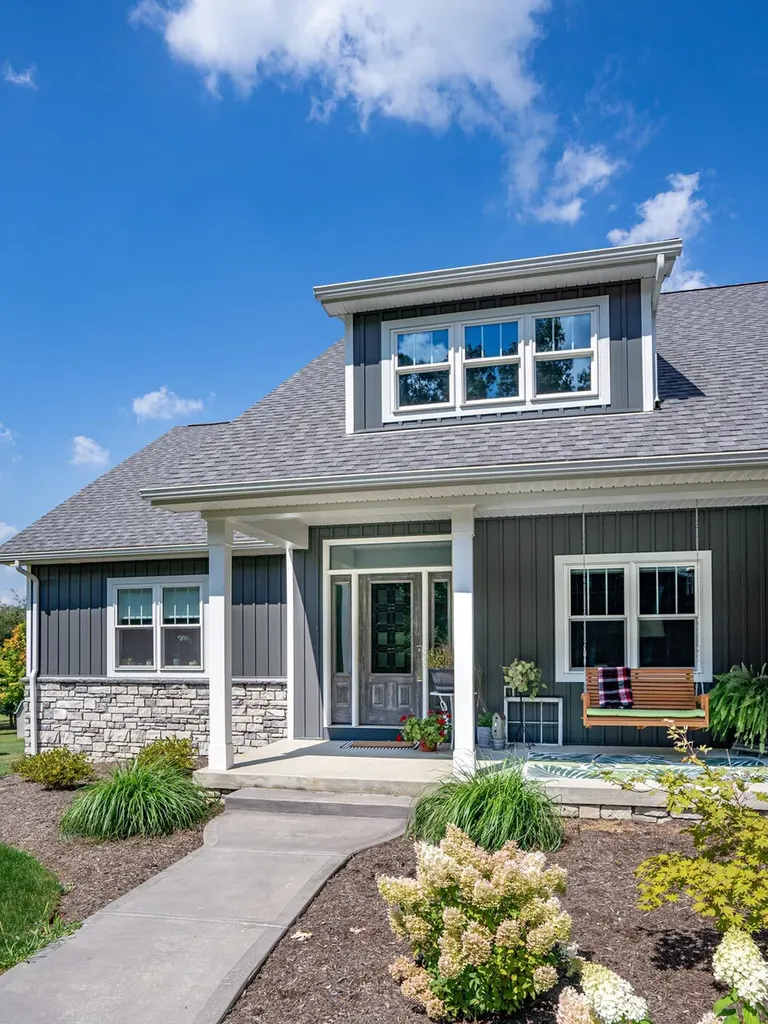
In winter the same layer holds warmth in. Heat tries to leave through the walls, and the foam slows it, especially at the studs. Rooms on the north side, which never get sun on the wall, tend to benefit. The result is not a heated house. It is a wall that is less of a cold surface.
North Texas freezes are short, but they are sharp. The February 2021 winter storm and the December 2022 freeze tested every house in Dallas and Fort Worth. Walls cannot heat a home on their own, so insulated siding is a support for your heating, not a substitute. It works with the attic, the windows and the air sealing, and it is weakest if those are neglected.
What can insulated siding not fix?
It cannot fix air leaks, a thin attic or leaky windows. Those are often the larger sources of lost comfort. In a typical DFW house, the attic does a great deal of the work in summer, and a thin layer there will limit what any wall upgrade can do. Look at the whole envelope before you spend on one part of it.
ENERGY STAR publishes a guide to sealing air leaks and adding insulation, with separate pages for attics. It is worth a read before any siding decision. Our insulation page covers the attic options we offer.
| What you notice | Likely cause | Will insulated siding help? |
|---|---|---|
| One west bedroom runs hot every August | Sun on the wall, thin attic or a big window | Possibly, along with the attic and glass |
| The upstairs is hotter than the downstairs | Attic heat and duct location | Little. Look at the attic first |
| A cold draft at outlets and baseboards | Air leaks in the wall | Not on its own. Air sealing comes first |
| You hear traffic or a neighbor’s mower | Thin walls and single-pane glass | Some help on the wall, little on the glass |
| Rooms on one side are always cooler | Uneven insulation and sun exposure | Yes, it evens out the wall |
How can you tell which walls need help?
Test the house on a hot afternoon and on a cold morning. You need no tools, only a few minutes and a notepad. The pattern you find tells you where an upgrade would matter and where it would not.
- On a sunny afternoon, press your palm on the inside of each exterior wall, then on an inside wall. A west wall that feels warm is taking in sun heat.
- Note which rooms are the first to get hot and the last to cool down at night.
- On a cold morning, feel for drafts at outlets, baseboards and window edges. A draft means an air leak, not a missing layer of foam.
- Climb to the attic if you can do it safely, or have someone look. Thin or uneven insulation up there is a bigger clue than any wall.
Bring the notes to your estimate. We would rather you tell us which rooms bother you than guess. If the walls are not the problem, we will say so, and if they are, we will show you where.
Is insulated siding worth it for your house?
It is worth a close look if you are already replacing the siding and some rooms are uncomfortable. It is harder to justify if the siding is fine and the attic is thin. Whether it pays back depends on the house, so we price insulated and standard vinyl side by side and let you compare.
There is one hard rule to keep in mind. Insulated siding cannot be added to standard siding later without taking the siding off. If comfort is a goal, decide when you choose the material, not after the crew leaves. Fiber cement from James Hardie is a different path to a durable wall, and it does not add insulation.
Why does the installation affect how well it works?
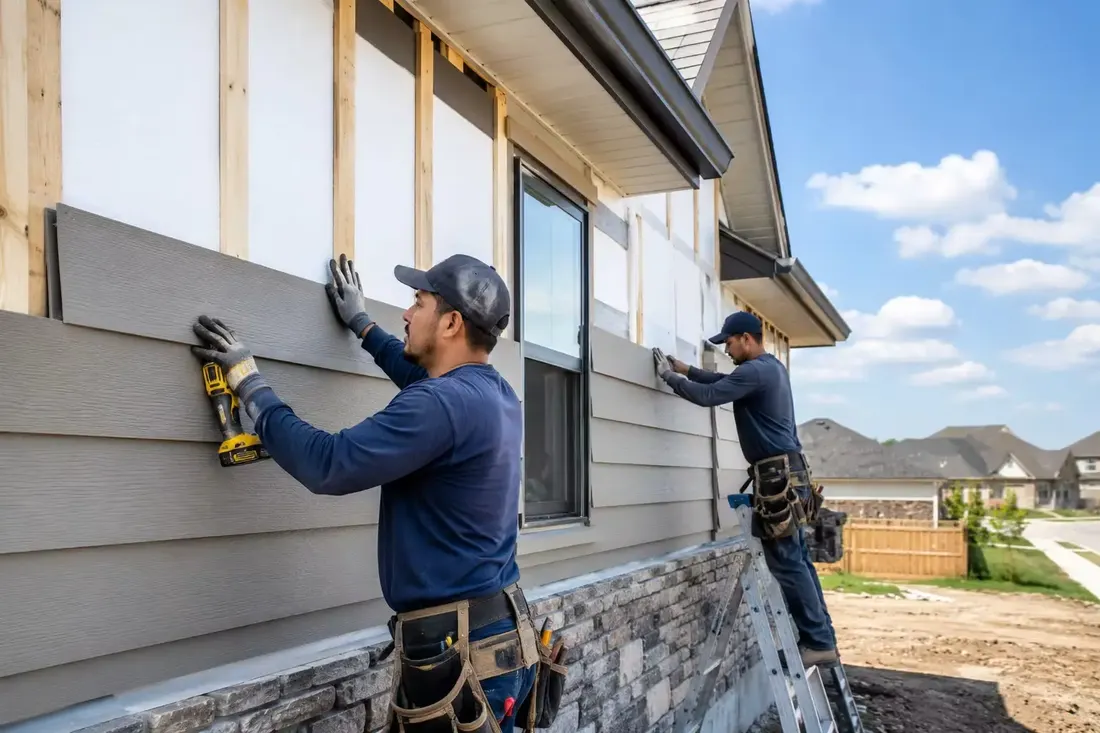
A foam layer only helps where it is continuous. Gaps at corners, trim and penetrations let heat bypass it. The thicker panel also needs trim and channels sized for it. A tidy job at the windows and doors is part of the performance, not just the looks. See our post on insulated siding installation mistakes for what to check.
If you are comparing envelope upgrades, our posts on R-value in plain terms and on how new windows improve efficiency help sort the order. American Eagle Builders offers free in-home estimates, and we are glad to look at where your own walls are weakest. You can read about our insulated siding before we visit.
Questions we get asked about this
A rigid foam layer behind the vinyl slows the heat that the sun pushes through the wall. It also covers the studs, which carry heat more easily than the insulated cavities. The wall surface inside stays closer to room temperature, which helps rooms on the sunny sides.
It helps. The foam slows heat leaving through the wall, particularly at the studs. It is not a heater, and it works with your attic insulation, windows and air sealing. A leaky house will still feel drafty if those are not addressed.
They do different jobs. In many DFW houses, the attic has more effect on summer cooling than the walls. If your attic is thin, start there. Insulated siding is a good addition when the siding needs replacing and some rooms are uncomfortable.
Somewhat. The foam backing and thicker panel add a layer to the wall, which takes the edge off some outside noise. It does not do much for noise that comes through windows. If noise is the main complaint, look at the glass as well.
Not as an upgrade. Foam-backed panels would need the old siding removed first. If you want the insulated version, choose it when you replace the siding. American Eagle Builders will price insulated and standard vinyl so you can compare before you commit.