Insulated siding is vinyl with a rigid foam backing, and traditional siding is the standard plain vinyl, fiber cement or wood. In the insulated vs traditional siding choice, the foam adds comfort and a stiffer panel, while standard options win on lower cost or a painted-wood look.
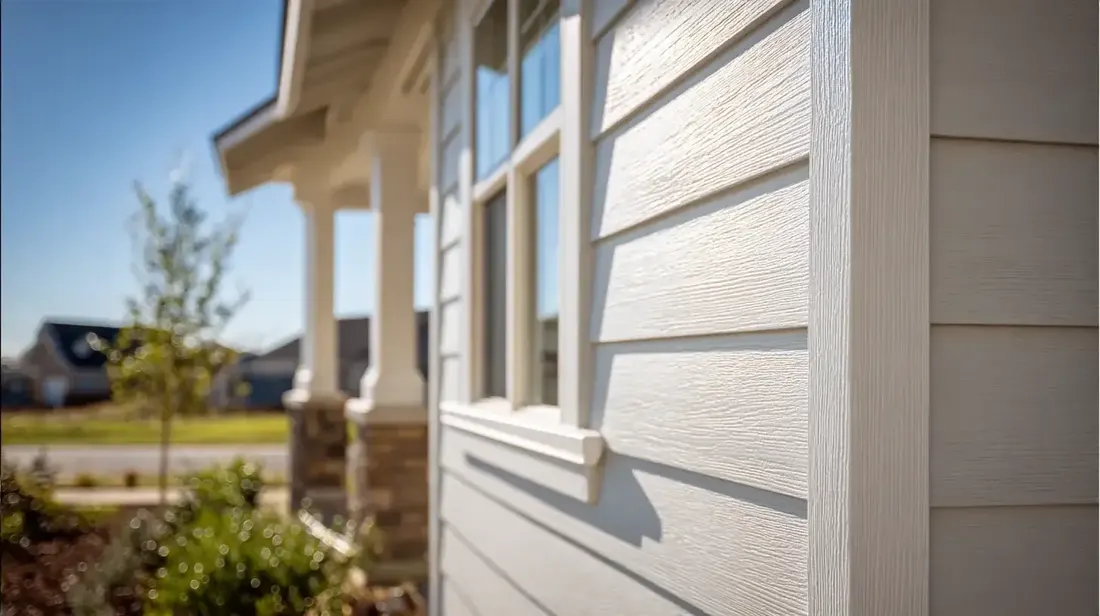
The short answer
- Insulated vinyl is the only one of the three siding types that adds insulation outside the studs.
- Standard vinyl is the lower-cost way to a clean, low-upkeep new exterior.
- James Hardie fiber cement is the heavier, premium choice with a painted-wood look.
- Insulated panels cannot be added over standard siding later, so choose before the job.
- Compare real samples against your brick and trim before you decide.
Walk through a new subdivision in Frisco and an older street in Arlington and you will see most of the siding choices in one afternoon. Some walls are plain vinyl, some are painted fiber cement, and a growing number have foam-backed panels. They look alike from the sidewalk. They behave differently in August, in a freeze and in a hailstorm.
What is the difference between insulated and traditional siding?
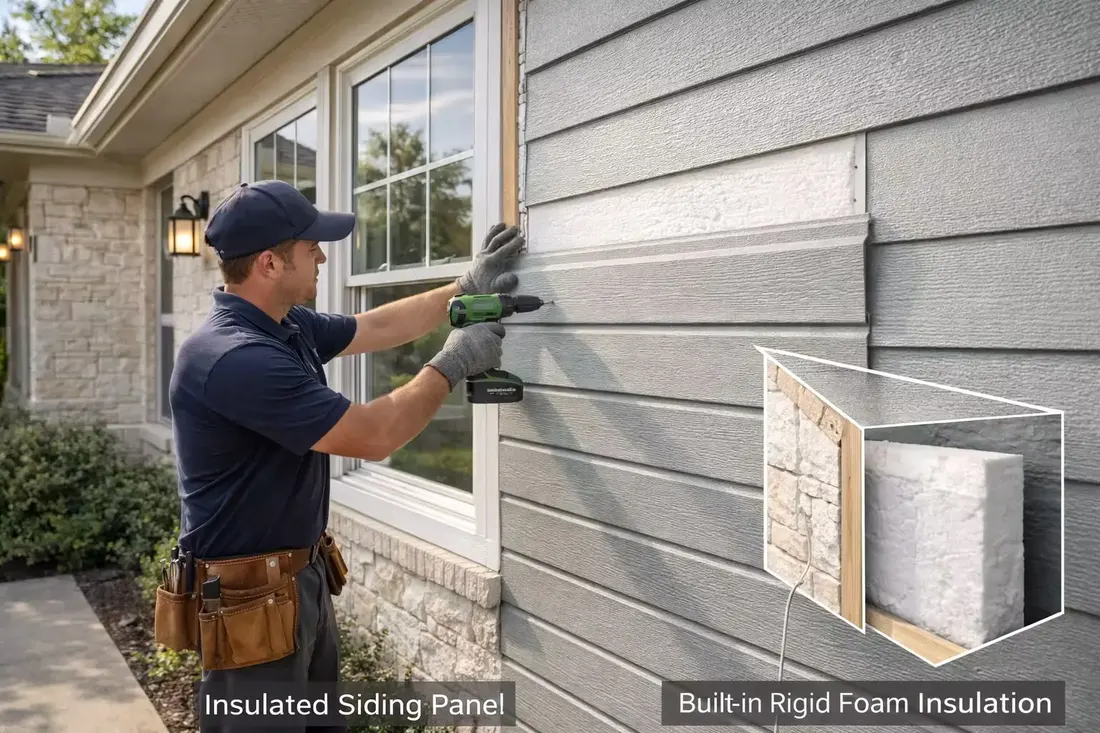
Traditional siding is the standard exterior cladding: plain vinyl panels, fiber cement boards or wood. Insulated siding is vinyl with a layer of rigid foam bonded to the back of each panel. The foam adds insulation value, stiffens the panel and quiets the wall. Everything else, such as color and profile, can look the same.
We install three kinds. Insulated vinyl is the comfort pick. Standard vinyl is the lower-cost exterior. James Hardie fiber cement is the premium, heavier choice. The table lines them up on the points that decide most projects.
| Insulated vinyl | Standard vinyl | James Hardie fiber cement | |
|---|---|---|---|
| What it is | Vinyl panel with foam bonded behind it | Plain vinyl panel | Cement-based board |
| Adds insulation to the wall | Yes | No | No |
| Upkeep | Wash and check caulk. No paint | Wash and check caulk. No paint | Wash, keep joints caulked, repaint over the years |
| Look | Flatter on the wall, many colors and profiles | Many colors and profiles | Painted-wood look with crisp shadow lines |
| Weight and install | Thicker panel, more care at trim | Quickest of the three to install | Heaviest, cut with dust control |
| Best fit | Hot or cold rooms, noise, a stiffer panel | Clean new exterior at lower cost | Wood look, impact resistance, repainting later |
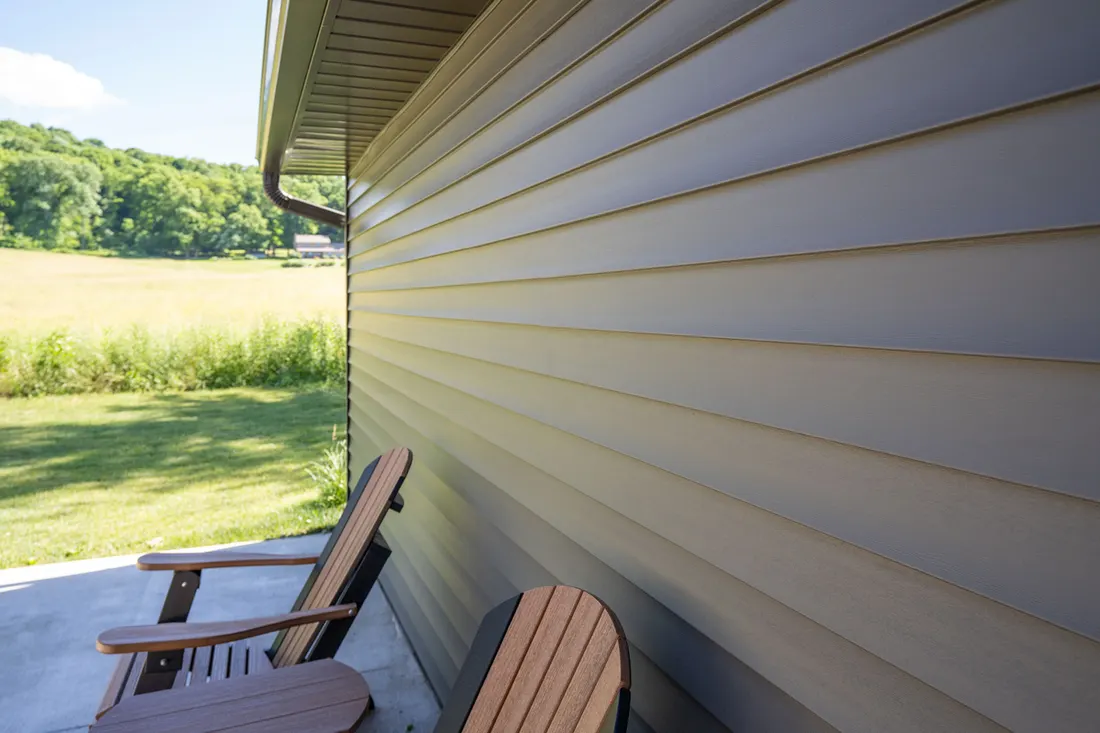
Which one helps most on a hot west wall?
Insulated vinyl helps the most, because it is the only one of the three that adds a layer of insulation outside the studs. A west wall in a summer like 2023 takes sun for hours, and heat moves through plain vinyl or fiber cement almost as if they were not there. The foam gives that heat a slower path.
Be realistic about it. The siding is one layer in the wall. If the attic is thin or the windows leak, you will still feel heat. We look at the whole envelope, and our post on how insulated siding works in Texas heat and cold explains how to tell which part matters most.
Which one is easiest to live with?
Both vinyl types are the easiest. Neither needs paint, scraping or sealing, and a hose and a soft brush keep them clean. Fiber cement is just as strong, but its painted finish may want a fresh coat over the years, and its joints should stay caulked. That is real work, and some owners enjoy the flexibility to change color later.
Noise and dents also differ. The foam on insulated vinyl takes the edge off outside noise and helps small hail leave fewer marks. Fiber cement stands up well to impact. Plain vinyl is the lightest and the most easily dented of the three, which is one reason a thicker panel is worth asking about.
Does the choice change how the house looks?
A little, and mostly up close. Insulated panels are thicker, so the shadow lines can look deeper, and the stiffer panel lies flatter on a wavy wall. Fiber cement has the crispest lines and the most convincing grain. From across the street, color and profile, such as lap, Dutch lap or board-and-batten, matter far more than the material.
Trim is where the difference shows. Thicker insulated panels need channels sized for them, and fiber cement shows every joint, so corner boards and window trim deserve attention in both cases. Ask to see a corner and a window on a finished house, not only a flat sample board.
When is traditional siding the better choice?
Traditional siding wins when comfort is not the problem or when budget leads. If your walls are already comfortable, plain vinyl gives a clean new exterior at the lowest cost of the three. Fiber cement wins when you want the look of painted wood or want to repaint in a new color someday.
- Choose standard vinyl if you are preparing a house for sale or the priority is a fresh, low-upkeep wall.
- Choose James Hardie if the house calls for a painted-wood look, such as a craftsman or a farmhouse.
- Choose insulated vinyl if some rooms are hot or cold, outside noise bothers you, or your walls are not perfectly straight.
One thing cannot be undone. Insulated panels cannot be added to standard siding later without taking the siding off. If you think you might want the comfort, choose it now, or ask us to price both so you can compare.
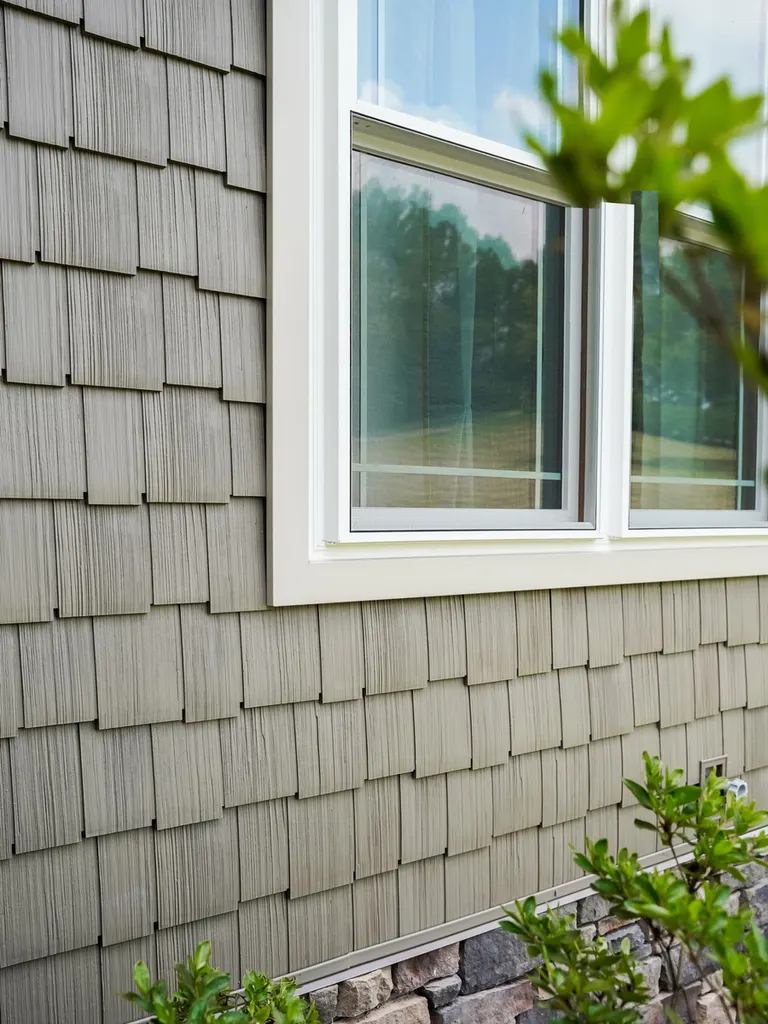
How should you decide for your house?
Answer three questions in order. They sort most homes quickly, and you can do it before anyone visits.
- What bothers you most today: heat and cold, noise, looks or upkeep?
- What is your budget limit, and are you selling soon or staying a long time?
- What does the house style call for: a clean vinyl look or a painted-wood look?
Then compare real samples against your brick and trim. The James Hardie site shows its fiber cement lines, and the Polymeric Exterior Products Association covers vinyl siding and installation. Our posts on insulated siding versus standard vinyl and on R-value go deeper.
Our family company has served Dallas-Fort Worth from Arlington since 1984. See our insulated, non-insulated and Hardie pages, then ask for a free in-home estimate and we will show you samples on your own wall.
Questions we get asked about this
Insulated siding is vinyl with foam bonded behind each panel. Traditional siding is the standard cladding, such as plain vinyl or fiber cement. The foam adds insulation value, stiffens the panel and quiets the wall. Color and profile options can look the same.
It can be if some rooms run hot or cold, outside noise bothers you or your walls are uneven. It is less compelling if the walls are comfortable and the attic is thin. We price insulated and standard vinyl side by side so you can compare.
Insulated vinyl, because it adds a layer of insulation outside the studs. Plain vinyl and fiber cement do not. It still works alongside the attic, windows and air sealing, so check those too. Also check dark colors against the manufacturer’s color range.
It depends on what you want. Fiber cement is heavier and stands up well to impact, and it carries a painted-wood look. Vinyl needs no paint and costs less to maintain. Insulated vinyl adds comfort. Pick the one that fits your priorities and your house.
Not without taking the existing siding off. The foam is part of the panel, so it cannot be added over standard siding. If you want it, make the call before the old siding comes off. American Eagle Builders can price both options for you.