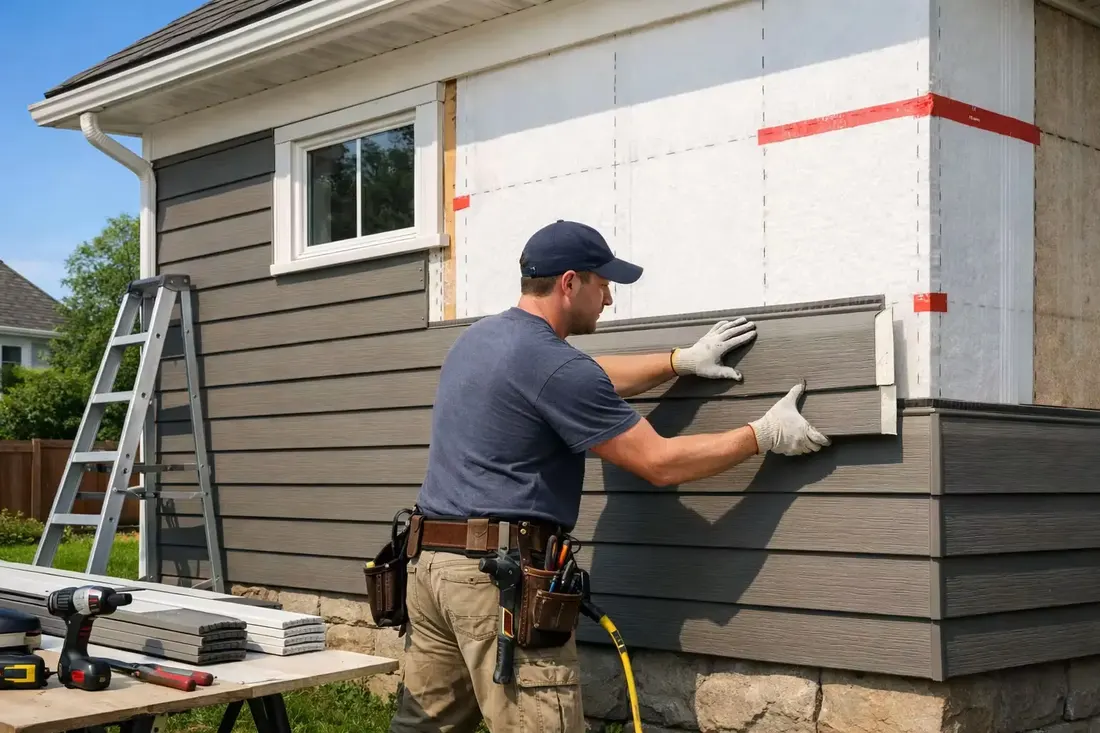
After a siding replacement is the stretch when most homeowners wonder what is normal. A siding replacement is the removal of the old wall covering and the fitting of a new one. Expect a walkthrough, a clean yard and some small movement in vinyl, and call if you see stains or loose panels.
The short answer
- At the walkthrough, check every wall, corner and window and ask for the color name and spare panels.
- Vinyl moves with heat, so slight ticking or a faint afternoon ripple can be normal.
- A stain below a window, a loose panel or a widening gap is a reason to call.
- Avoid pressure washers, heat sources near the walls and sprinklers that spray the siding.
- Photograph storm damage before anyone touches it, and keep your warranty papers together.
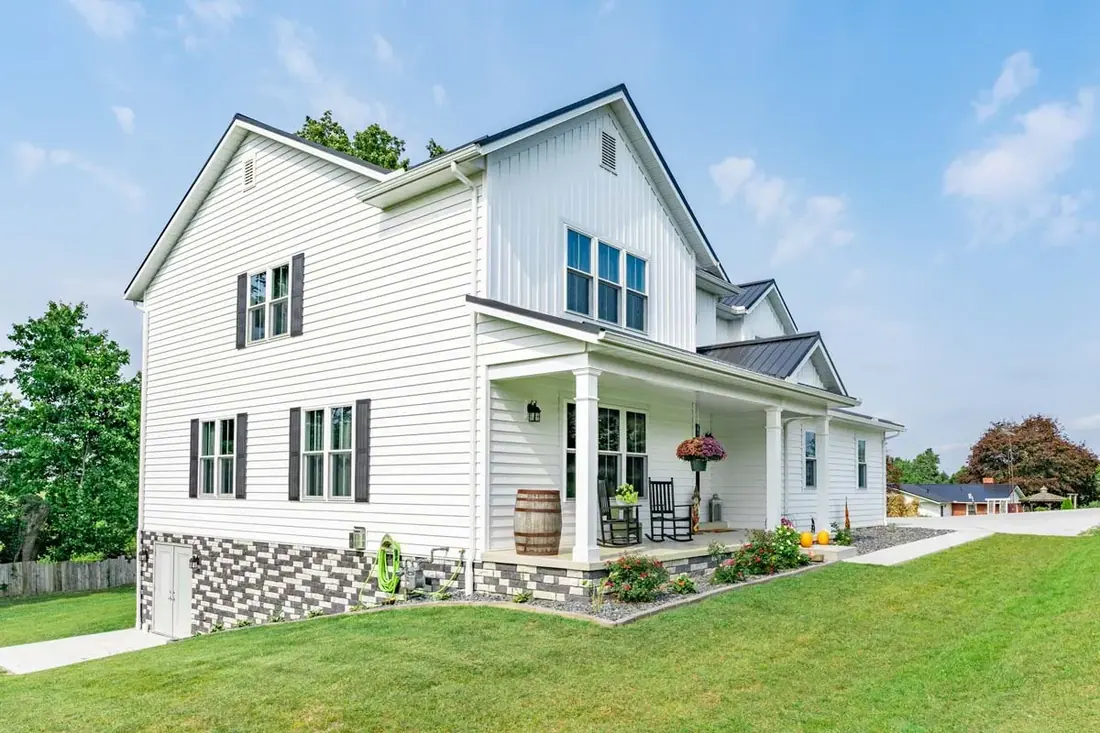
The crew packs up, the ladders go away and the house looks new. Then the questions start. Is that ripple normal? Why does a panel click when the sun hits it? Do I need to do anything? This post covers the first season after a siding replacement, so you know what is normal and what deserves a phone call.
What should you expect on the day the crew finishes?
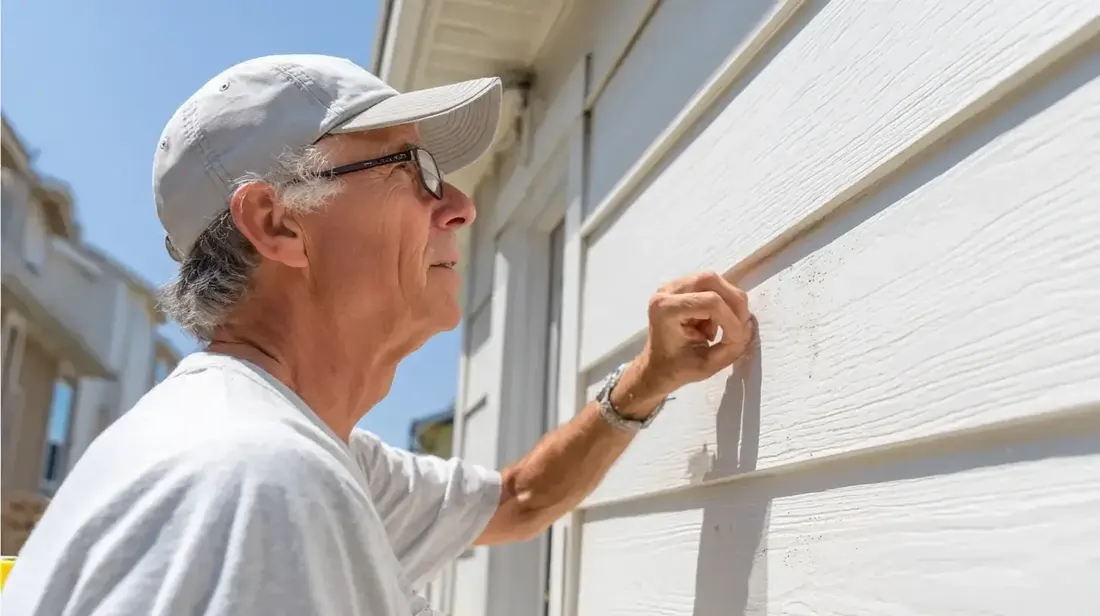
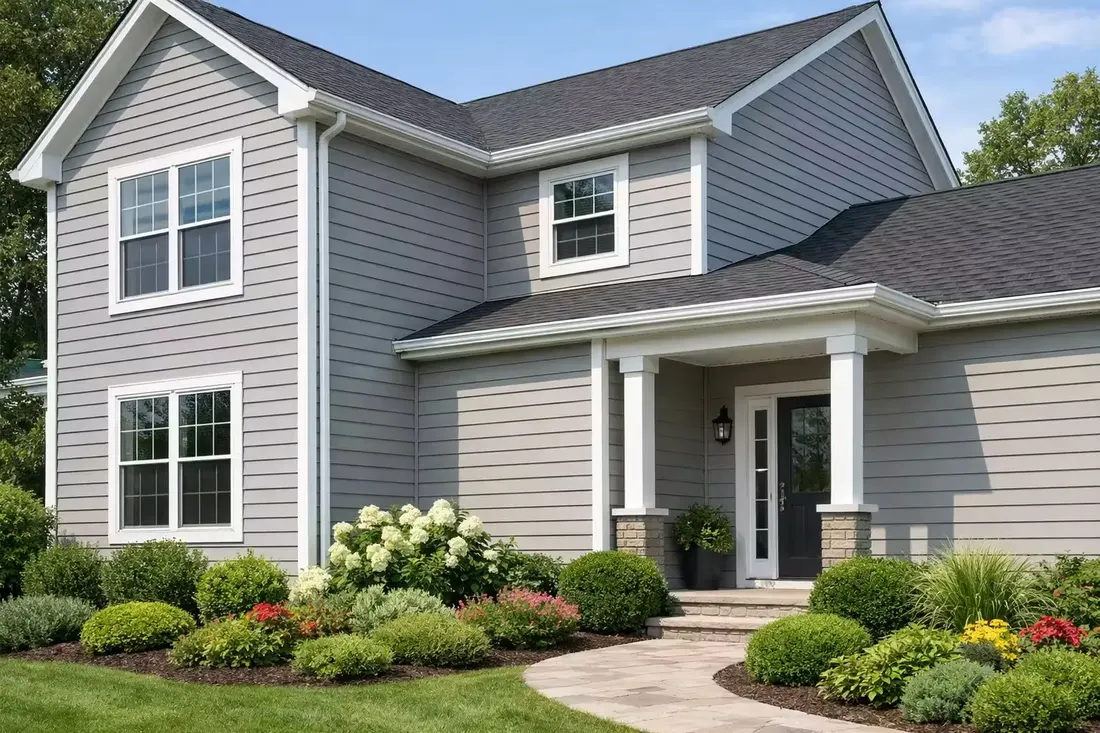
Expect a walkthrough, a clean yard and a stack of papers. We walk the whole exterior with you, clear the site of debris and nails, and leave the manufacturer and installation warranty papers together. Use that walk to look at every wall, corner and window, and to ask about anything that looks off.
- Look at each wall in good light, from a few steps back, and note any waves or gaps.
- Check the trim at windows, doors and corners for snug, even lines.
- Walk the yard and driveway for stray nails or scraps.
- Ask for the color name, the product line and a few spare panels, and keep them.
- Keep the warranty papers where you can find them, along with the estimate.
Those spare panels and the color name matter later. After a hail storm, a repair needs a match, and old siding fades. A panel from your own run is the closest match you will find.
What is normal in the first season, and what is not?
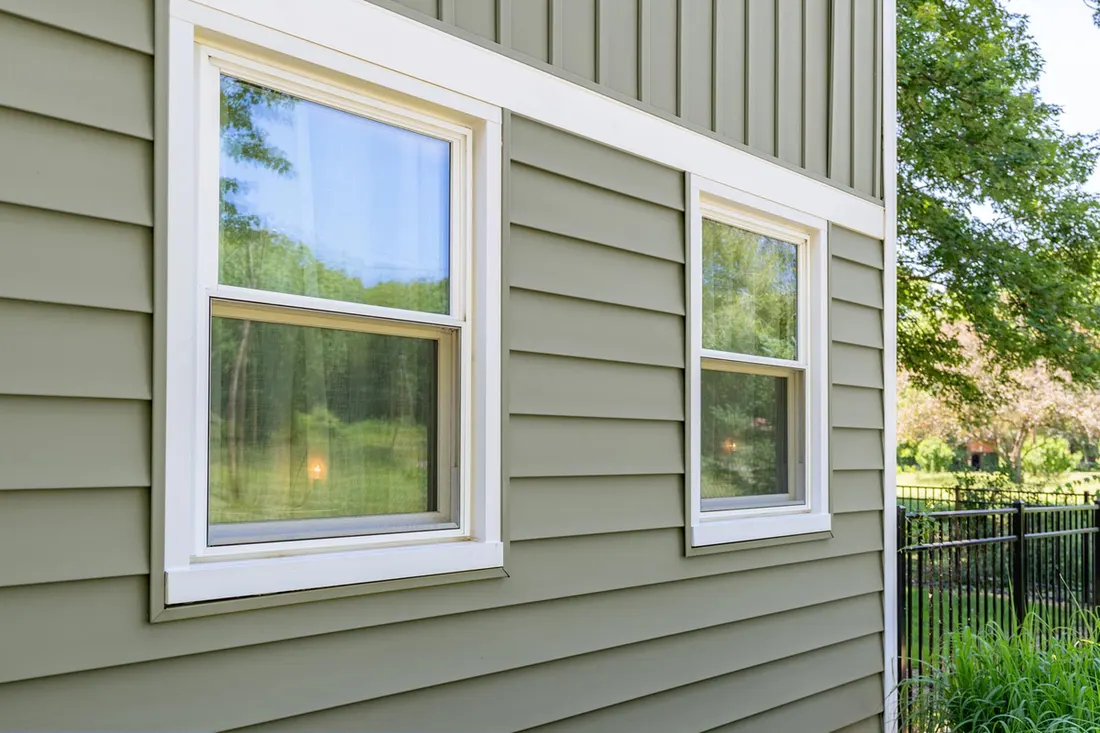
Vinyl moves as it heats and cools, so some small changes are normal. Panels are hung loose on purpose, and they can tick or pop as the sun hits them. What is not normal is a permanent bulge, a gap that grows or a panel that comes loose. The table helps sort the two.
| What you notice | Usually normal | Call us |
|---|---|---|
| A faint ripple on a hot afternoon | Yes, if it eases as the wall cools | If it stays buckled day and night |
| Ticking or popping as the sun hits the wall | Yes, from expansion | If a panel rattles in wind or sits loose |
| A small, even gap at a corner or trim | Often, by design, for movement | If it widens or shows bare wrap |
| Slight color difference between walls | Yes, from sun angle and light | If one panel looks clearly different |
| A stain below a window | No | Call soon, since it may be water |
| A cracked or loose panel after a storm | No | Call, and take photos first |
When in doubt, take photos with a time stamp and call. A small issue caught in the first season is much easier to fix than one that is left alone for a year.
What does each season ask of you after a replacement?
Each season asks for a short check, not a project. Spring asks you to walk the walls after the winter and look at the caulk. Summer asks you to watch the hottest walls. Fall asks you to clear the gutters. Winter asks you to leave the siding alone and to stay off ladders in the cold.
Spring and summer
In spring, look at caulk around windows and trim, and at the lowest course near soil and mulch. A hot August will show you which walls take the worst sun, so look at the west and south sides then. If your new siding is James Hardie fiber cement, keep caulked joints in good shape, and see the James Hardie site for finish and care details.
Fall and winter
Fall is for gutters, because overflow dumps water down a wall. In winter, a freeze like December 2022 shrinks materials, so a hairline gap at a joint can appear and then close again in the warmth. Do not chip ice off panels or use a scraper. Wait for it to melt.
What should you avoid in the first year?
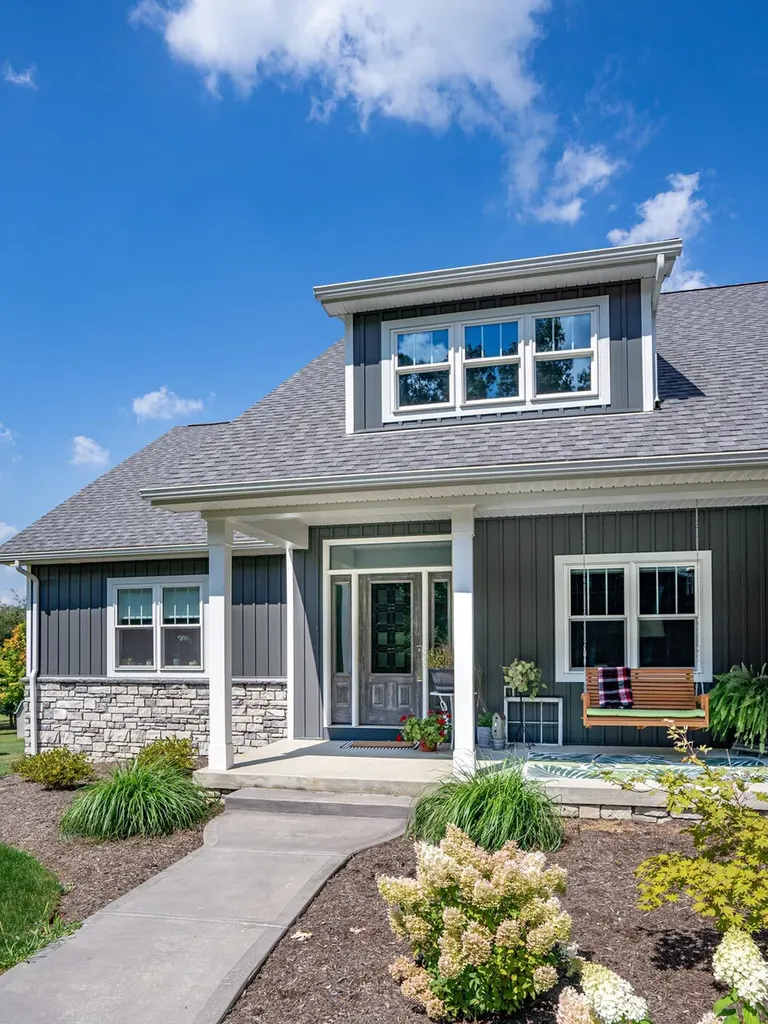
Avoid anything that pushes water or heat into the wall. The first year is when habits form, and a few small slips cause most of the avoidable damage we see on new siding. None are hard to prevent once you know them.
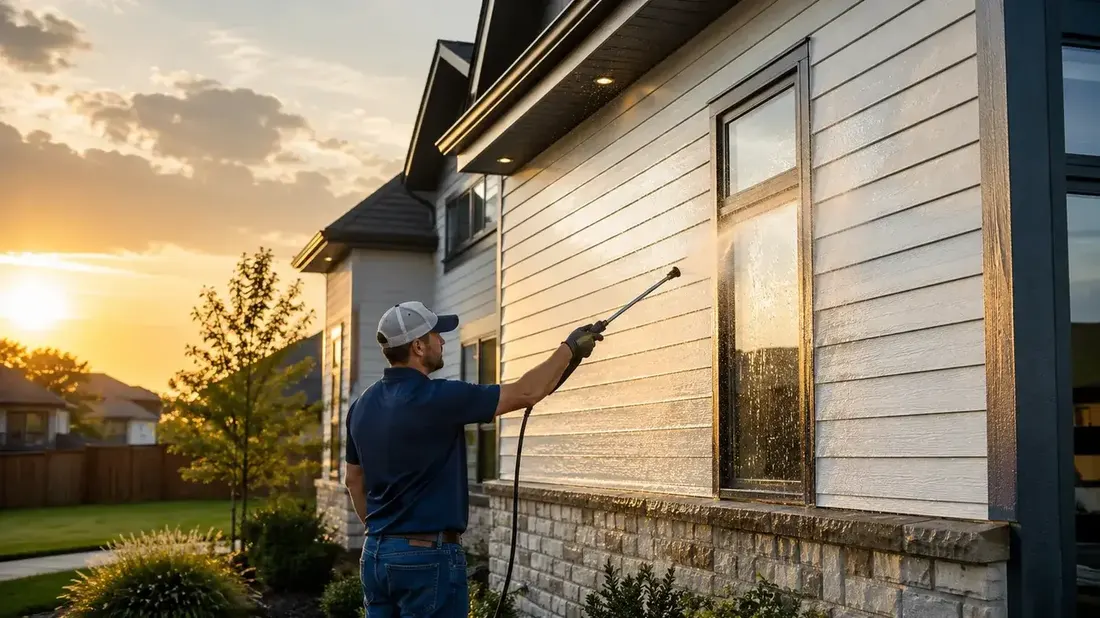
- Do not aim a pressure washer at the walls. Wash with a hose, a soft brush and mild soap instead.
- Do not park a grill or fire pit close to vinyl, since heat can warp it.
- Do not let sprinklers spray the walls daily.
- Do not hang heavy items on the siding without a proper mount, since holes in the wall let water in.
- Do not paint vinyl a darker color.
Our post on insulated siding maintenance goes into routine care, and spotting water damage behind siding shows what to check if a stain appears.
What should you expect over the long term?
A well-installed wall asks little. Wash it, keep an eye on caulk and gutters, and fix small things early. How long it lasts depends on the product, the install and how the house is cared for, so keep your records. A simple folder with the estimate, the warranty papers, the color name and a few photos of the finished walls will save you time on any later repair or claim.
Plan for repairs after storms. Spring hail in Dallas, Plano and Arlington can crack panels, and the Polymeric Exterior Products Association lists certified installers for vinyl, which helps when you need work done. If you replaced in the season we describe in the best time for siding installation, the same advice holds.
American Eagle Builders has been family-owned and based in Arlington since 1984. If something on your new wall looks wrong, call us. You can read about our siding options any time.
Questions we get asked about this
Expect a walkthrough, a clean yard and your warranty papers. In the first season, vinyl may tick or ripple slightly as it heats and cools, which is normal. Keep your color name and spare panels, and call if you see stains, loose panels or a growing gap.
Often, yes. Panels are hung loose so they can expand and contract, and they may tick or pop as the sun heats them. Noise from a panel that rattles in wind or sits loose is not normal. Take a photo and call your installer.
Not much. Wash it gently with a hose, soft brush and mild soap, check caulk at windows and trim, keep gutters clear and keep heat and sprinklers off the walls. Walk the house after storms and photograph any damage.
It is better not to. A pressure washer at close range can push water behind the panels and into the wall. A garden hose, a soft brush and mild soap handle almost everything. If you must use a pressure washer, keep the pressure low and stand well back.
Call your installer, with photos and the date. American Eagle Builders has worked across Dallas-Fort Worth since 1984, as a family-owned company based in Arlington. We leave the manufacturer and installation warranty papers together at the walkthrough, so you will have what you need.