All-season sunroom mistakes are mostly decisions made too early or checked too late. An all-season sunroom is an insulated, glass-walled room tied into your heating and cooling. These eight mistakes are listed in the order they tend to happen, each with a check you can use at the estimate.
The short answer
- Most all-season sunroom problems trace back to choices made before the walls went up.
- Watch the sun at three and at six before you pick the wall for the room.
- Have someone inspect the slab, because clay and rock both change the footing work.
- Name the glass for each wall and ask who sizes the heating and cooling.
- Ask to see how the roof joint is flashed, since that is where leaks start.
- Mark every outlet and fan on the plan, and check permits and HOA rules first.
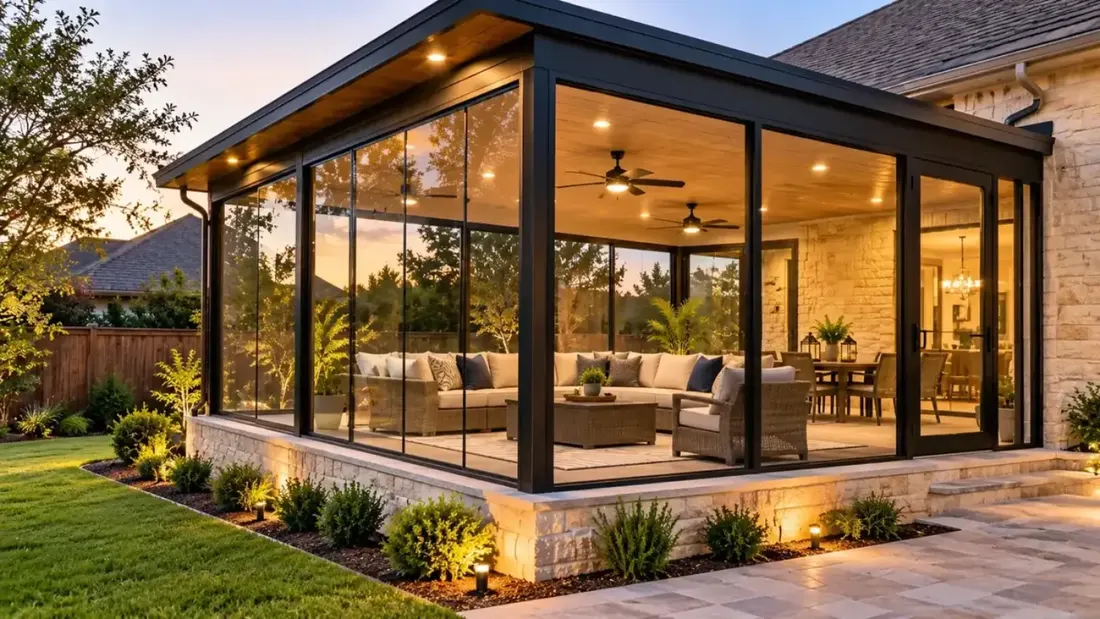
An all-season sunroom is a small building with a lot of glass. When it goes wrong, the symptoms are easy to spot: the room is hot at four o’clock, a door sticks in July, a corner cracks, or a stain appears on the ceiling after a storm. Almost every one of those traces back to a choice made before the first wall went up.
What mistakes should you avoid when building an all-season sunroom?
Eight, and they run in the order a project moves: location, slab, glass, heating and cooling, roof joint, air movement, electrical and permits. Catch each one at the estimate and the rest of the job gets easier. After each, there is a check you can ask the builder to answer in writing.
Mistake 1: Picking the spot by the view alone
A good view on a west wall can mean an oven at five in the afternoon. Stand in the yard at different times and watch where the sun lands. Choose the wall that suits the way you will use the room, and shade the rest. Check: where does the sun fall at three and at six?
Mistake 2: Trusting the patio slab without checking it
A patio slab was poured to walk on, not to carry walls, glass and a roof. In Plano and Dallas the clay under a slab swells and shrinks, which can move it. In Fort Worth the problem is often rock where the footings go. Both change the cost, so we would rather price them at the design visit than find out during the dig. Check: who looks at the slab, and what do they measure?
Mistake 3: Treating glass as just glass
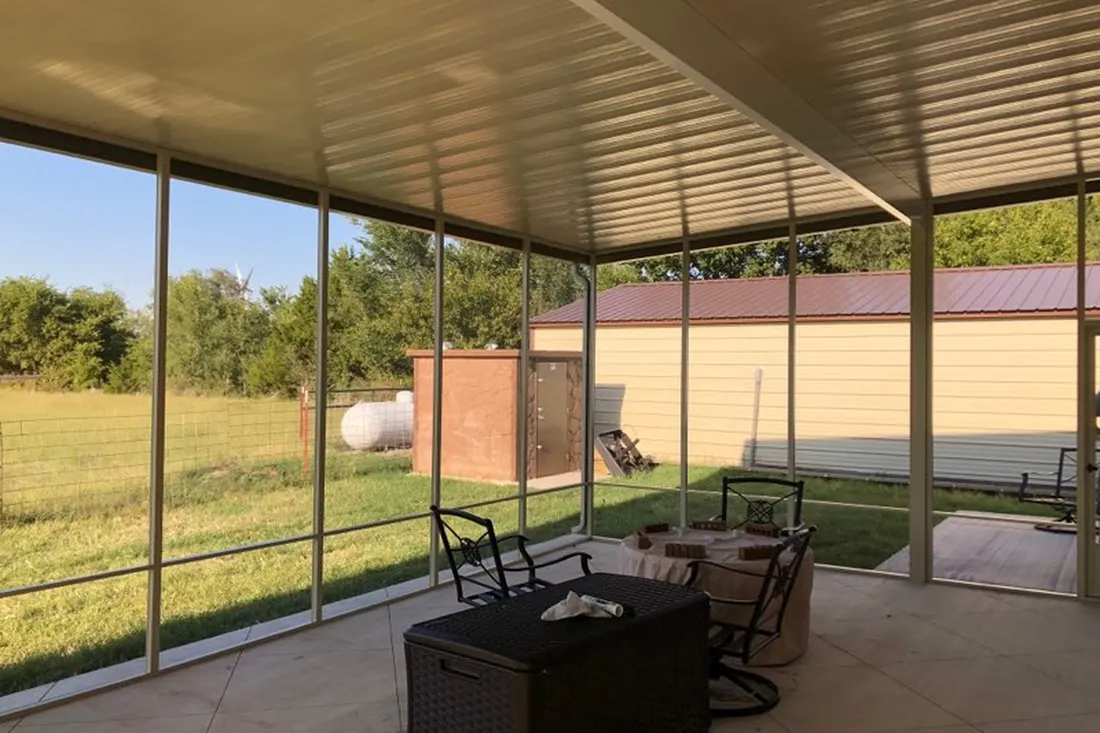
Glass packages differ in how much heat they let through. A clear package on a hot wall is a common reason a new room feels uncomfortable. Ask for the glass to be named and for its performance ratings. The Efficient Windows Collaborative explains what the terms mean. Check: which glass goes on which wall, and why?
Mistake 4: Guessing the heating and cooling
A room with this much glass needs a system sized for it, not an extra vent run off the house. Too small and the room never catches up in August. Too large and it cycles on and off without drying the air. Ask who sizes the system and how. Check: is the system designed for this room, or tied into the house as an afterthought?
Mistake 5: Skimping on the roof joint
Where the new roof meets the house is the place most likely to leak. It has to shed water for years, in hard rain and wind. Ask to see how the joint is flashed and where the water goes. Check: can the builder explain this joint in plain words?
Mistake 6: Forgetting air movement
Even an air-conditioned glass room feels stuffy without moving air. Plan for ceiling fans and at least some windows or doors that open. The ENERGY STAR sealing and insulating guidance is a reminder that a tight room needs a plan for fresh air. Check: where does the air move, and what opens?
Mistake 7: Leaving the electrical to the end
Outlets, switches, fan boxes and lighting all go in before the walls close. Adding them later through finished trim is slow and often ugly. Decide where the television, the lamps and the desk go before you sign. Check: is every outlet and fan marked on the plan?
Mistake 8: Skipping the permit and HOA check
A sunroom is an attached addition, and cities and HOAs often want to review it. Rules vary, and an unpermitted room can cause trouble later, including at a sale. Plano and Fort Worth post their residential permit information online. Check: who pulls the permit, and has the HOA approved?
How do you turn these mistakes into a checklist?
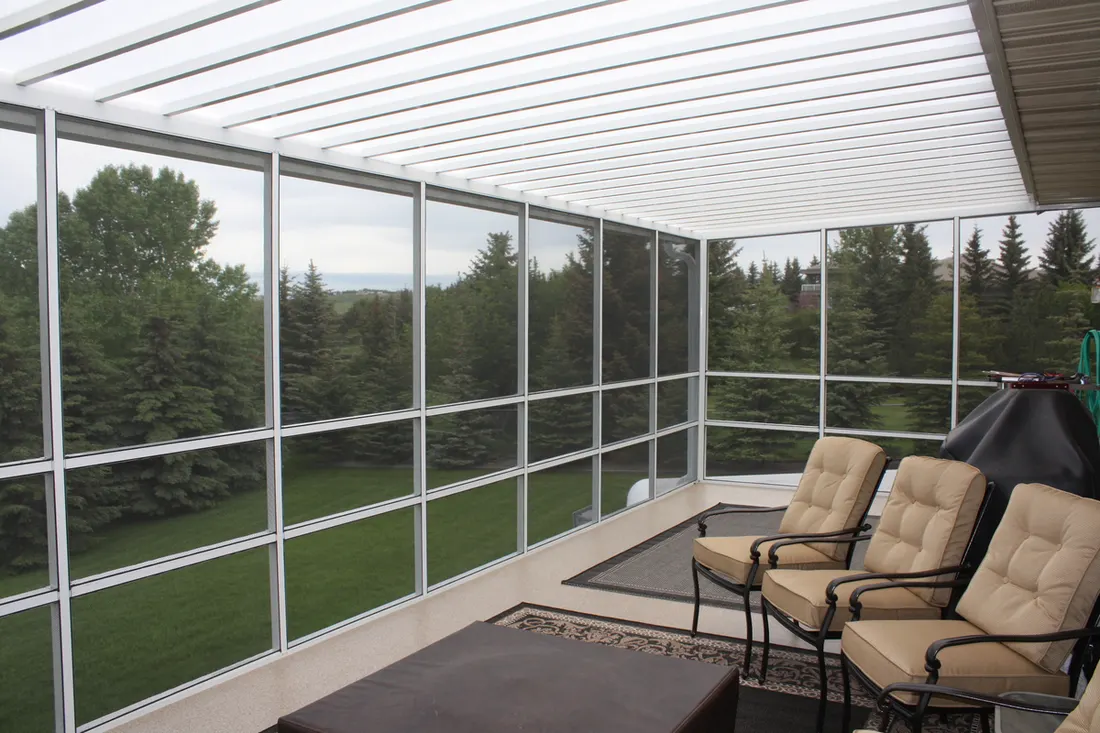
Print the eight checks and ask each builder to answer them in writing. The answers show you who has thought about the room and who has only thought about the price. The table below lists what each mistake can cost you later.
| Mistake | What it can cost you later | Ask at the estimate |
|---|---|---|
| Wrong spot | A room too hot to use in the afternoon | Where does the sun land at three and six? |
| Unchecked slab | Sticking doors, cracked corners | Who inspects the slab, and how? |
| Generic glass | Heat gain and glare | Which glass on which wall? |
| Guessed cooling | A room that never catches up | Who sizes the system? |
| Weak roof joint | Leaks and stains | How is the joint flashed? |
| No air plan | A stuffy room | What opens, and where are the fans? |
| Late electrical | Messy surface wiring | Is every outlet on the plan? |
| No permit check | Delays, trouble at sale | Who pulls the permit? |
Our post on what an all-season sunroom is covers the basics, and how all-season sunrooms handle extreme weather shows what a well-built room can and cannot do.
If you already own a room with one of these problems, the fix depends on which one. A hot room can often be helped with shade or better glass on the worst wall. A leak at the roof joint needs the joint opened and flashed again. A slab that is moving needs a look from someone who measures it, not a bead of caulk. Start with the symptom, then work back to the cause.
What should you do before you sign for an all-season sunroom?
Stand in the yard through an afternoon, then ask for a visit. American Eagle Builders is a family-owned exterior remodeler in Arlington, working across Dallas–Fort Worth since 1984. We install Four Seasons sunrooms and give free in-home estimates. Read about our all-season sunrooms and bring this checklist when we visit.
Questions we get asked about this
Building on a patio slab nobody checked. Walls, glass and a roof are heavy, and clay or rock under the slab can cause movement or surprises at the footings. Ask who inspects the slab and what they measure before you agree to anything.
Common causes are clear glass on a west wall, no shade, or a cooling system too small for the room. A well-planned room names the glass for each wall, adds shade where needed and sizes the system for the room.
An all-season sunroom is an attached addition, so cities usually want to review it. Rules differ by city, and an HOA may need to approve it. Ask your city’s permit office before work begins.
Yes, the joint where the sunroom roof meets the house is the most likely place for a leak. It needs proper flashing and a path for water to leave. Ask the builder to explain how it is built.
Yes. American Eagle Builders installs Four Seasons sunrooms, including all-season rooms, across Dallas–Fort Worth. We offer free in-home estimates and look at your slab, your sun and your roof joint before we talk about a design.