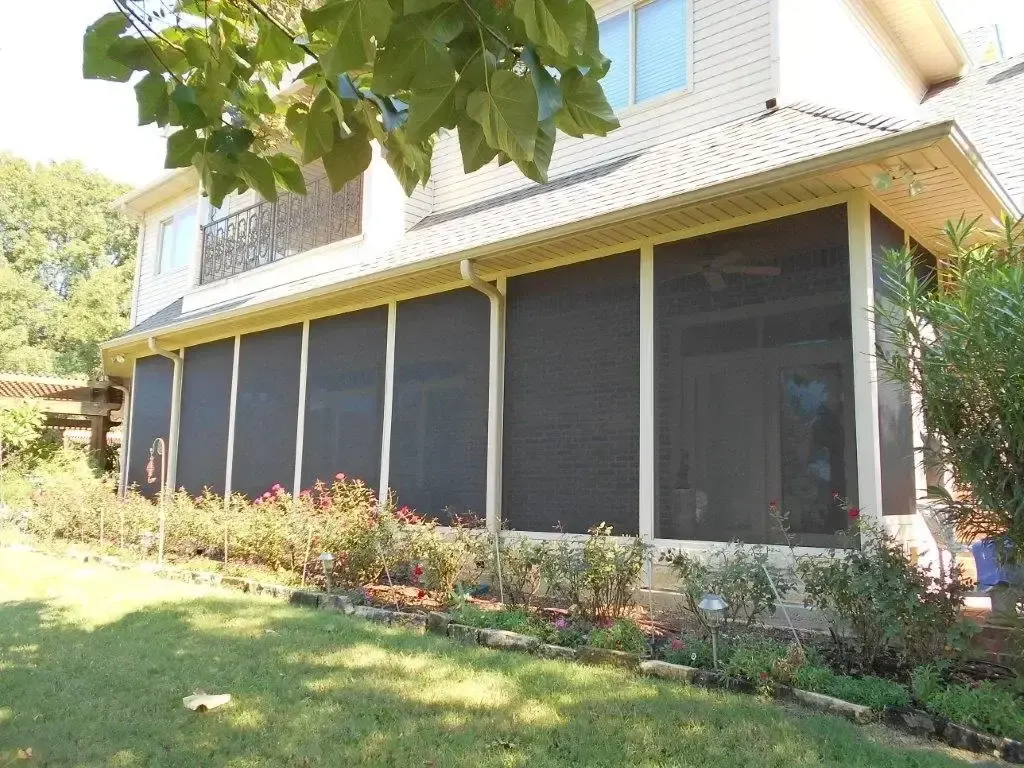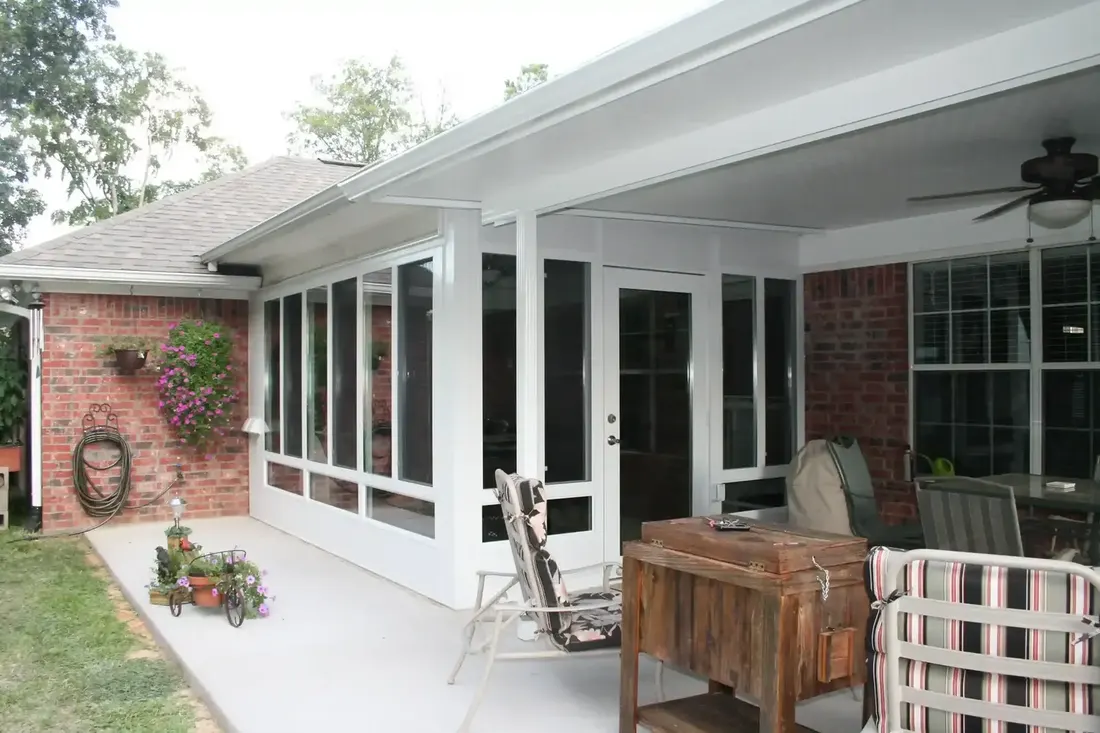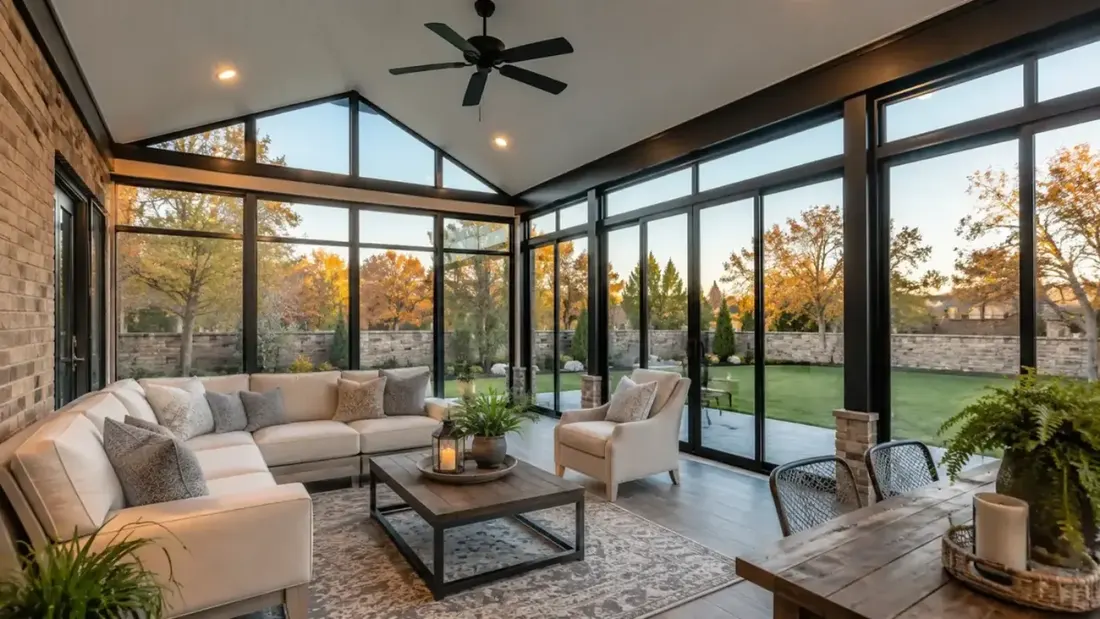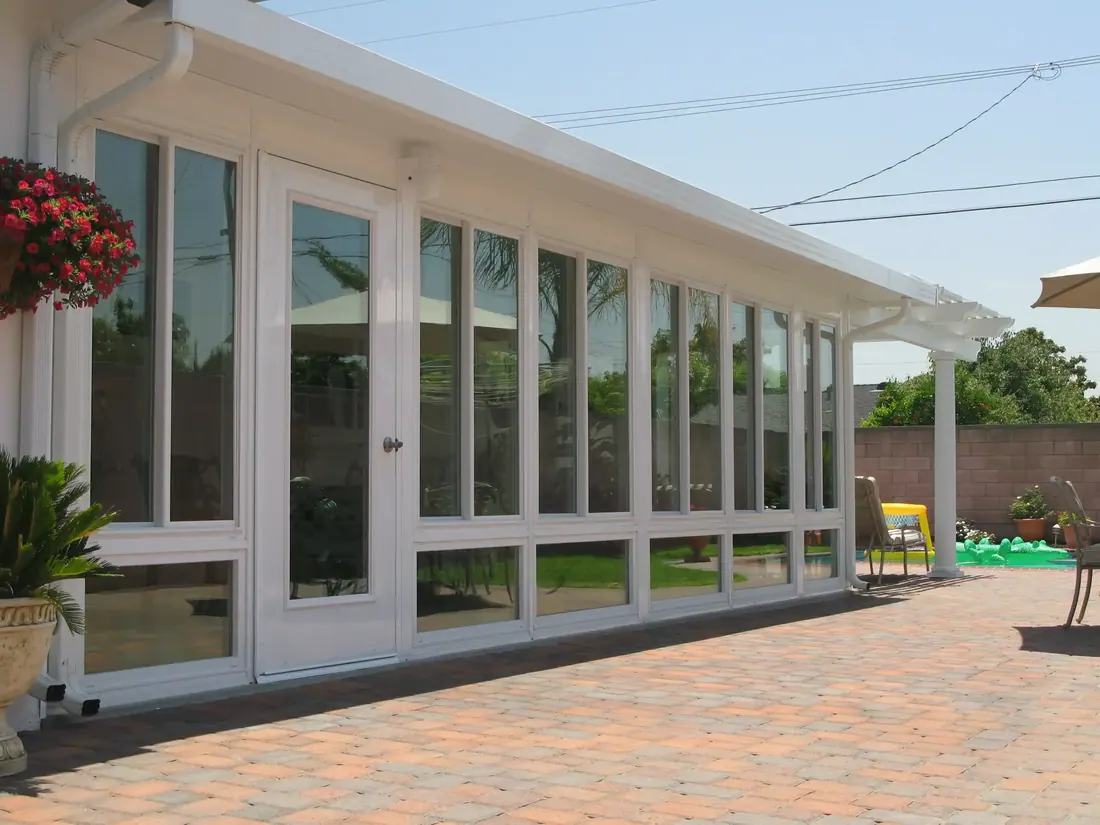
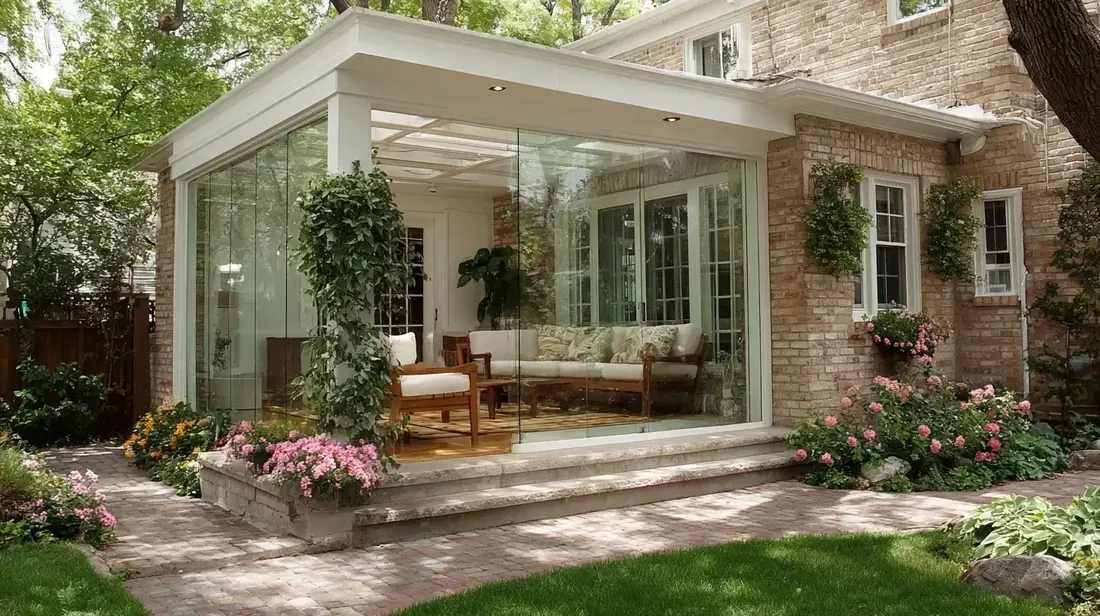
A patio enclosure is a set of screens, panels or glass walls around a covered patio. Its environmental benefits are real but modest: shade on the house, longer-lived furniture and fewer repellents. A screen enclosure will not cut your energy use, and only an insulated room might.
The short answer
- The environmental benefits of a patio enclosure are real but modest.
- A screen enclosure does not insulate, so it will not cut your energy use.
- Reusing a sound slab and cover is greener than building new.
- Shade on the west side helps more than adding glass.
- Do not add air conditioning to an open screen room.
- Durable, outdoor-rated furniture matters more than the enclosure itself.
Green claims about home projects often run ahead of the facts. A patio enclosure can be a good choice for the environment, but not every enclosure does everything a brochure says. The honest way to judge it is to ask what each type changes, and what it costs in materials. That gives you a fair picture of the benefit, and a way to make it larger.
What are the real environmental benefits of a patio enclosure?
Four, and they vary by type: shade on part of the house, outdoor furniture that lasts longer, less use of bug sprays and repellents, and a space you use instead of cooling more of the house. None is a large effect on its own. Together they make the enclosure worth considering.
- Shade: a roof and walls can keep some sun off the house wall behind the patio.
- Longer-lived furniture: cushions and frames kept out of the rain and the worst sun wear out slower, so less ends up in the trash.
- Fewer repellents: a screened room keeps out many flying insects without sprays.
- A room you use: a comfortable enclosed space can replace trips to a larger, cooled part of the house.
Does a patio enclosure save energy in a Texas house?
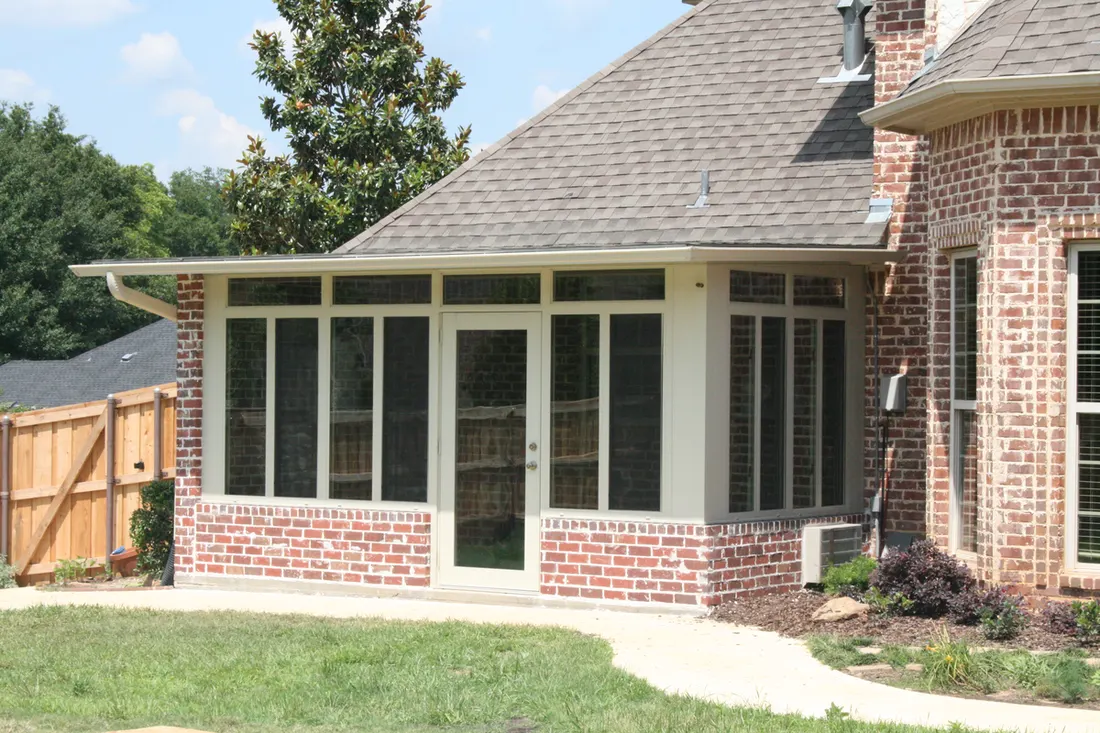
Only if it is built to. A screen enclosure does not insulate, so it will not lower a cooling bill by itself. A glass room can help by shading the wall behind it, but it can also add heat gain. Only an insulated room tied into your system can be considered an energy tool, and even then it adds space to heat and cool.
| Enclosure type | What it does for energy | What to watch |
|---|---|---|
| Screen room | Adds some shade. No insulation. | Do not add air conditioning to an open screen room |
| Screen with panels | Blocks wind and rain when closed. Little insulation. | Still follows the weather outside |
| Glass sunroom | Shades the wall behind it. Glass can add heat. | Needs shade on west walls, as in a summer like 2023 |
| Insulated all-season room | Built to hold temperature and to be conditioned. | Adds floor area to heat and cool |
The ENERGY STAR guidance on sealing and insulating is a reminder that energy gains come from tight, insulated construction, not from enclosing a space alone. Our post on keeping a sunroom cool in summer and warm in winter covers how to shade and condition the room.
Do enclosures cut waste and chemical use?
A little, and the effect is easy to overstate. Cushions kept dry last longer, wood furniture rots later, and a screened room cuts the need to spray for mosquitoes. Fabric and frames still age in the sun, so do not expect furniture to last forever. Choosing durable, outdoor-rated pieces does more than the enclosure alone.
A closed room can also cut the dust and pollen that blow onto a patio, which means less hosing and sweeping. It is a small saving of water and effort, and one that depends on how tight the enclosure is. Gaps at the slab or around the door let the dust in again.
Think too about the size of the enclosure. A small room that replaces a few trips through the heat to a cooled kitchen is not the same as a large room that adds new floor area to cool. The bigger the glass area and the floor, the more the design choices matter, and the more it pays to ask the builder to explain them in plain words.
Does an enclosure help in a heat wave?
A little, if it has shade and a fan, and not at all as a safe place to cool down. In the long heat of summer 2023, a glass room without shade was often hotter than the yard. The National Weather Service heat safety page urges checking on vulnerable people indoors, especially those without air conditioning, and an unconditioned enclosure does not solve that.
If heat is your main worry, plan the shading first. A solid roof, a shaded west side and a ceiling fan do more than extra glass. An insulated room tied into a cooling system is a different project, and it should be planned and priced as an addition.
What does an enclosure cost the environment?
Materials. Aluminum, glass, concrete and fasteners all take energy to make, and a new structure adds to the home’s footprint. That is why reusing an existing slab and cover is greener than tearing them out. An enclosure built on what is already there adds less new material than a new addition.
How can you make a patio enclosure greener?
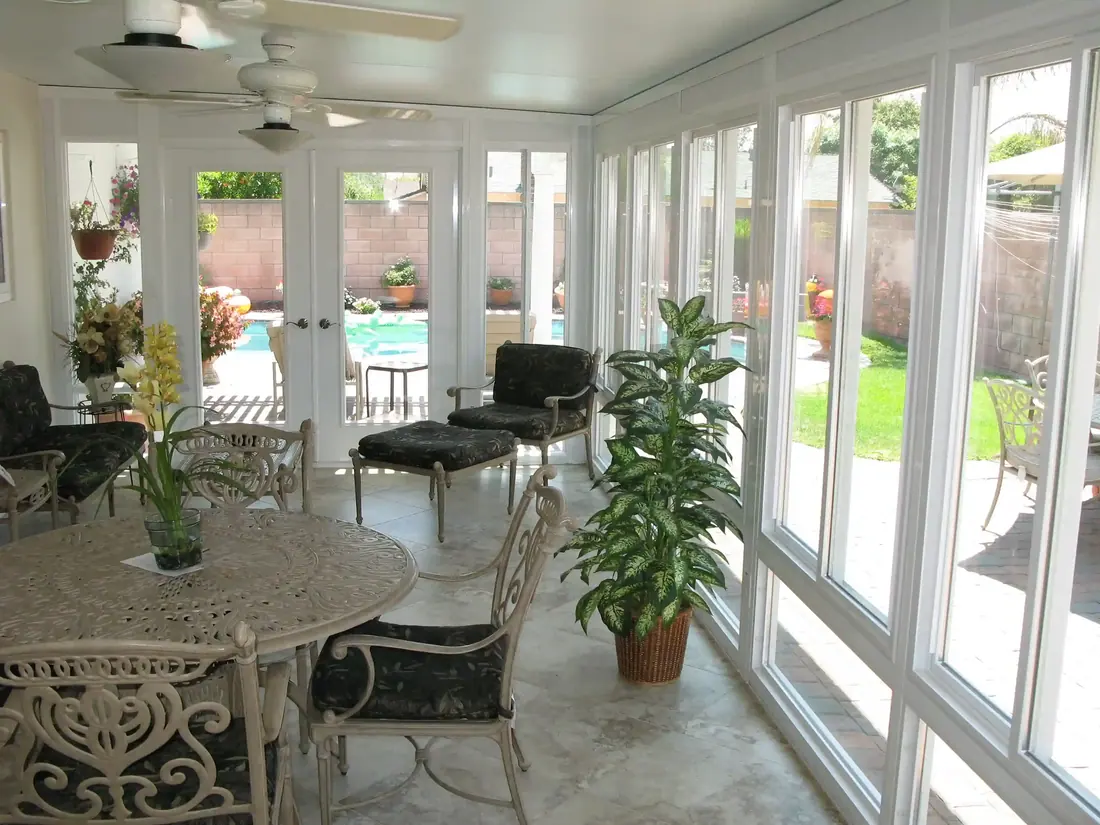
Start with what you already have, then add shade and plants. The EPA’s heat island pages list trees and plants among the ways to cool a community, and the same idea works in a single yard. A tree or a pergola on the west side can help an enclosure more than extra glass.
- Reuse a sound slab and cover where you can, and replace only what fails.
- Choose glass and roof for the sun the room faces, and shade the west side.
- Fit ceiling fans before you consider adding cooling to the room.
- Seal gaps at the slab and the door so the room is tight.
- Pick durable furniture and fabrics made for outdoor use.
In Plano and Frisco, where lots are flat and often fully landscaped, a tree or an existing structure may already do much of the shading. In Dallas, mature trees on older lots can help in the same way. American Eagle Builders is a family-owned exterior remodeler in Arlington, working across Dallas–Fort Worth since 1984. Ask about our patio enclosures at a free estimate, or read how patio enclosures affect your home’s value.
Questions we get asked about this
It can be, in modest ways: shade on the house wall, furniture that lasts longer and fewer repellents. It does not save much energy unless it is insulated. Reusing an existing slab and cover keeps the new material footprint small.
Probably not by much. A screen adds some shade but no insulation, so it does not hold in cool or warm air. Do not add air conditioning to an open screen room, since the cooled air escapes.
It adds floor area to heat and cool, so it can raise energy use if it is conditioned. Good insulation, shaded glass and a system sized for the room keep that increase small. Ask the builder to explain the glass and the system.
Reuse the slab and cover if they are sound, add shade on the sunny side, fit ceiling fans first and seal the gaps. A tight, shaded room built on existing structure adds the least new material.
Yes. American Eagle Builders installs patio enclosures, sunrooms and all-season rooms across Dallas–Fort Worth. We offer free in-home estimates and can explain how each type handles sun, shade and energy on your house.