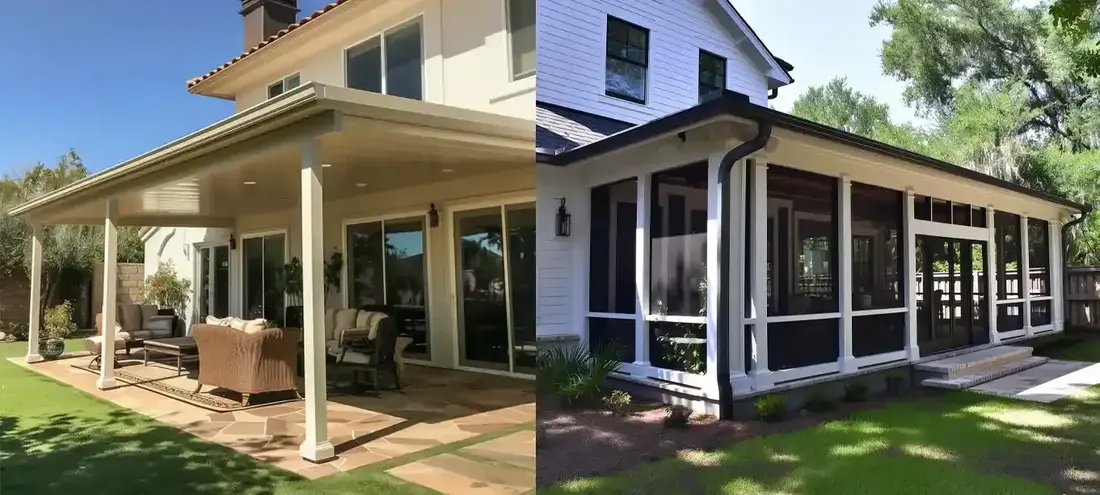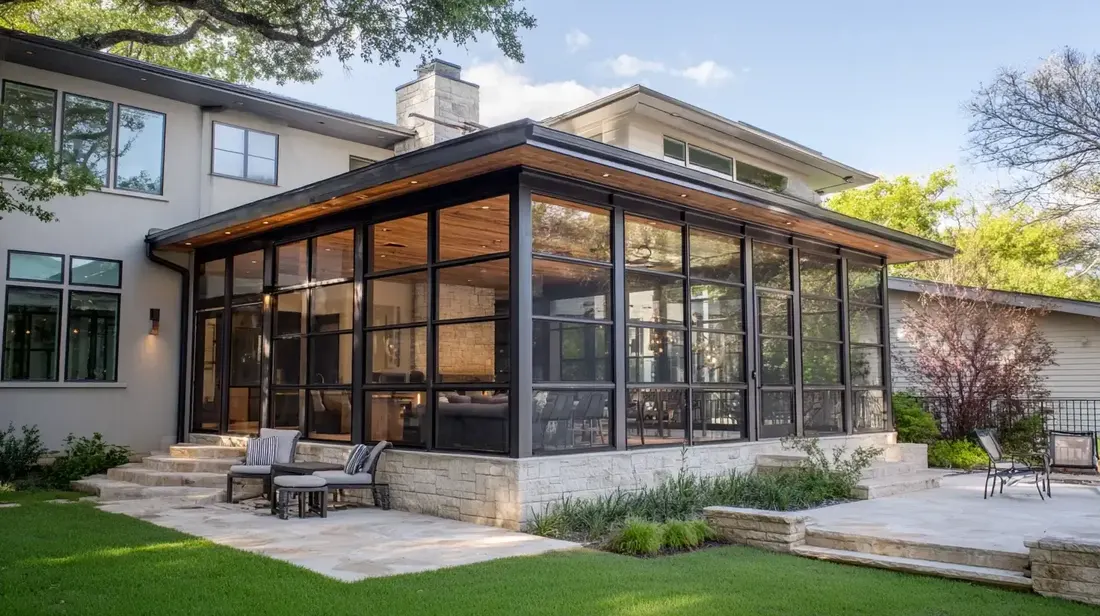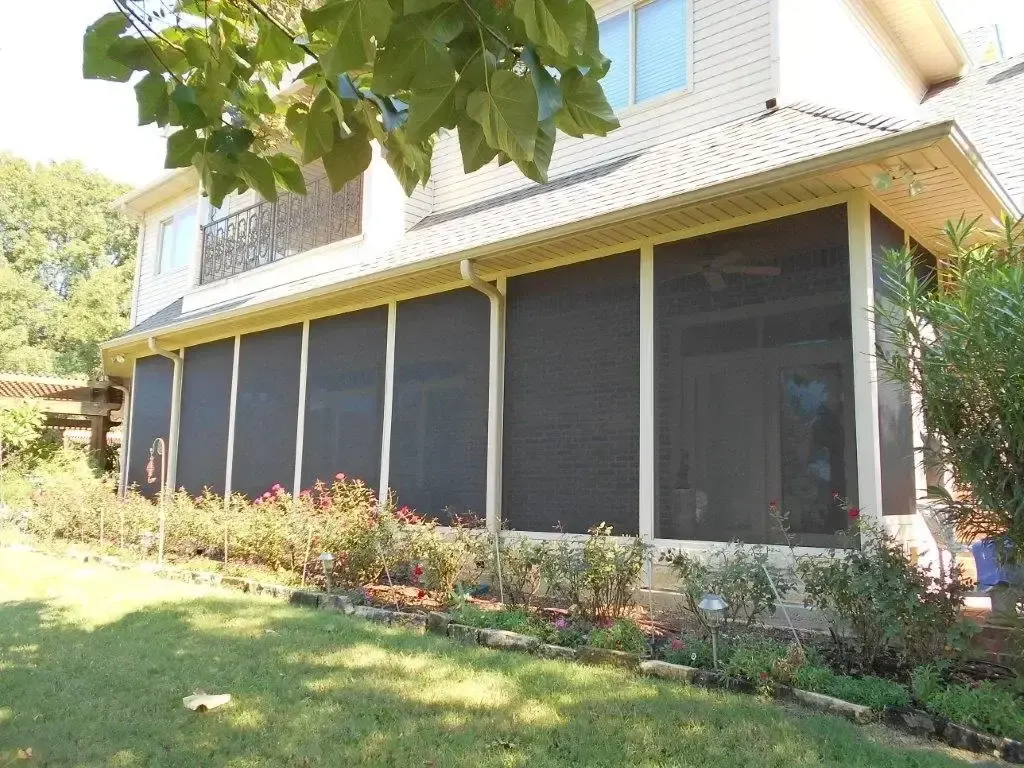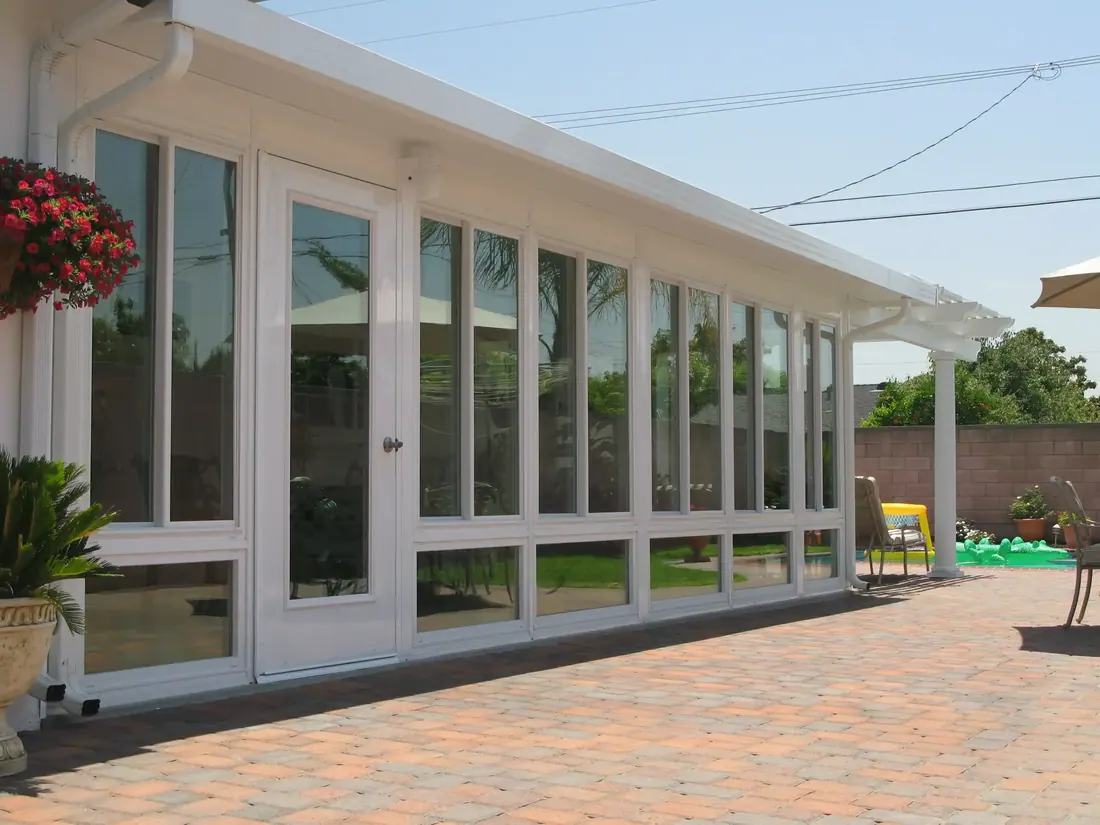
Enclosing a patio means adding screens, panels or glass walls around a covered patio so it becomes a room you can use more of the year. The main advantages are fewer bugs, shelter from wind and blowing rain, and more usable space, but a screen enclosure will not heat or cool itself.
The short answer
- Enclosing a patio gives you fewer insects, shelter and more usable space.
- A screen enclosure does not insulate, so it will not heat or cool the room.
- Match the enclosure type to the problem you most want to solve.
- Check the patio cover and slab before you hang any frame on them.
- Ask your city’s permit office whether the work needs a permit.
- An unheated enclosure usually does not count as finished living area.
A patio that is open to the yard gets used on the good days and ignored the rest. Enclosing it changes how often the door to that space gets opened. Before you decide, it helps to know what an enclosure gives you and what it leaves alone, because the word covers everything from a mesh screen to an insulated room.
What does enclosing a patio actually give you?
Four real things: fewer insects, shelter from wind and rain, protection for what you keep outside, and a room you will use more of the year. How much of each depends on the type of enclosure. A screen does the first better than the last, and a glass room does the reverse.
Fewer insects and less pollen
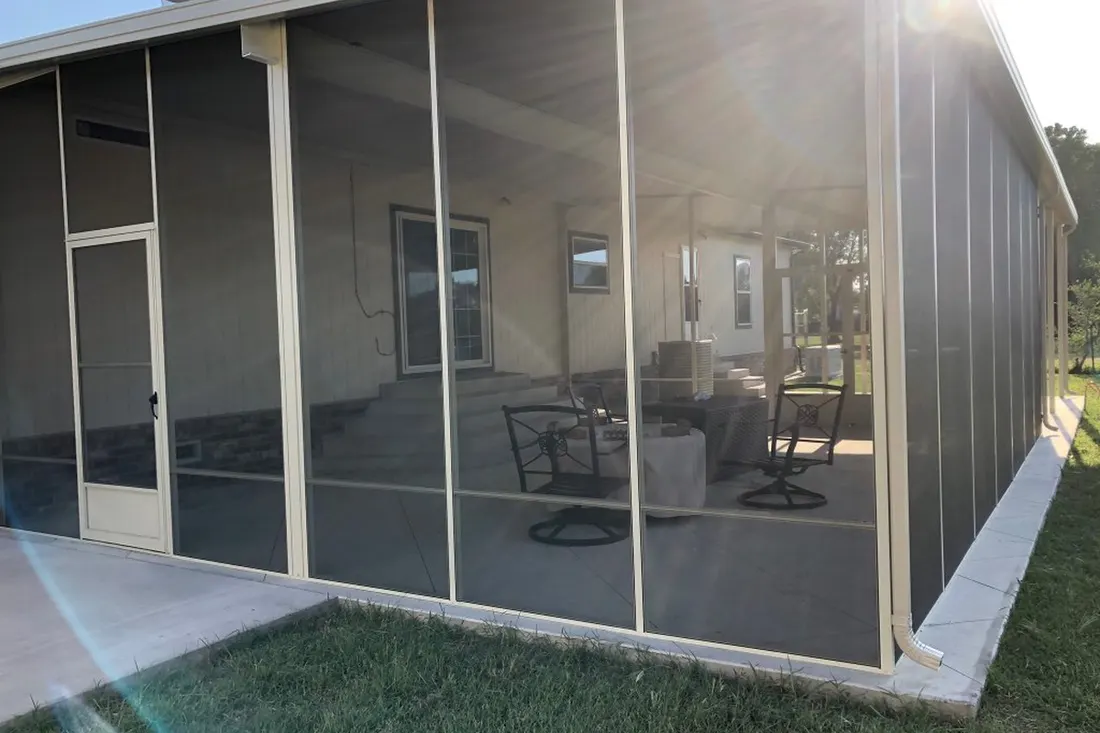
A screened patio keeps out most flying insects, which is why a screen room is the most common upgrade to a covered patio. It also catches some of the leaves and the pollen that blow in during spring. Gaps at the base of the wall let insects in, so the details at the slab matter as much as the mesh.
Shelter from wind, rain and low sun
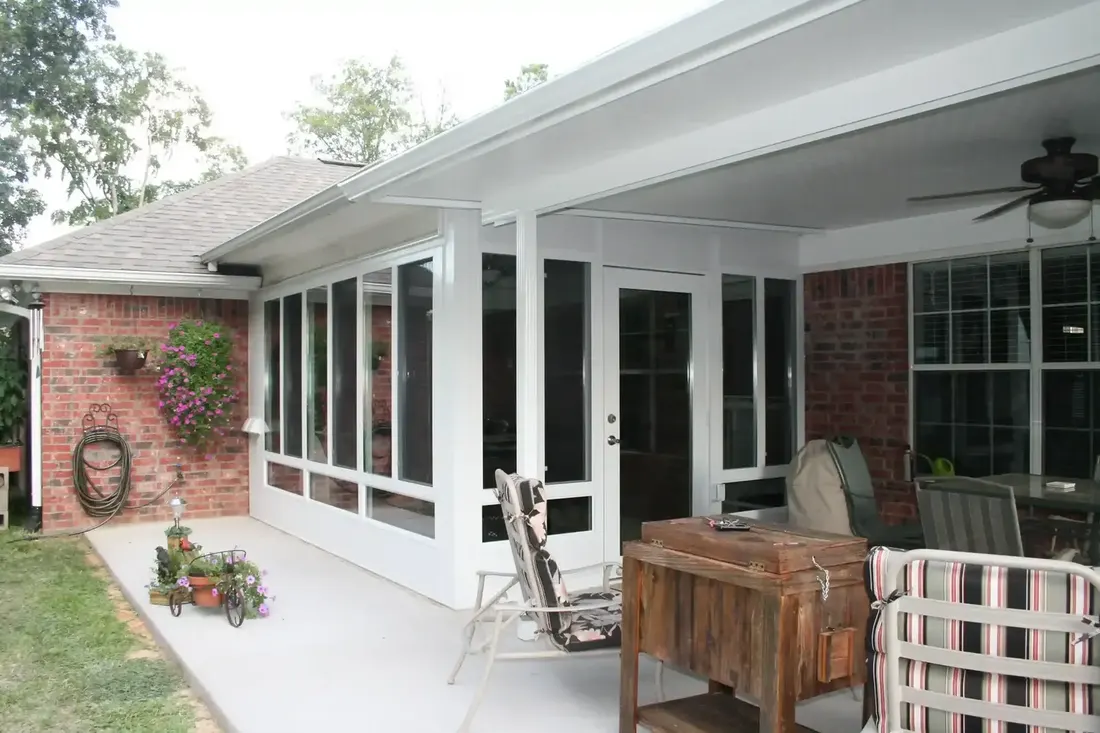
Panels or glass stop the blowing rain that soaks a patio even under a good roof. They also cut the wind on a cool evening. Clear panels let you see the yard while you sit in the shelter.
A longer life for outdoor furniture
Cushions and wood furniture last longer when the weather cannot reach them. An enclosed patio does not make furniture immortal, because sun and heat still get through glass and mesh, but you spend less time dragging cushions in before a storm.
More space you will actually use
Many households use an enclosed patio as a dining area, a play space or a place for a desk. The difference from a sunroom is that an open or screened room is not heated or cooled, so it follows the weather outside.
What does an enclosure not do?
A screen enclosure does not insulate, heat or cool. It will not make a cold January evening comfortable, and it will not lower your cooling bill in the way an insulated room might. It also does not automatically count as finished living area. Do not buy a screen room expecting it to behave like an addition.
- It does not fix a weak or undersized patio cover. The posts and beams have to carry the added frame.
- It does not add legal square footage. A room that is not heated usually is not counted as living area.
- It does not replace a permit check. Your city decides what needs a permit.
- It does not stop heat on a west wall. Glass and clear panels still let the afternoon sun in.
Which type of enclosure matches the advantage you want?
Match the type to the problem. Bugs are solved by screens, wind and rain by panels, and cold or heat by an insulated room. The table compares four common types so you can see where each one stops.
| Enclosure type | Keeps out bugs | Blocks wind and rain | Helps with heat and cold |
|---|---|---|---|
| Screen room | Yes, most flying insects | Little | No |
| Screen with removable panels | Yes | Yes, when the panels are in | A little |
| Glass sunroom | Yes | Yes | Some, depending on glass and shade |
| Insulated all-season room | Yes | Yes | Yes, when tied into heating and cooling |
Our post on the difference between a patio and a sunroom shows where each of these sits on that ladder. If you are weighing screens against glass, read sunroom versus screen room next.
Should you check your patio cover before enclosing it?
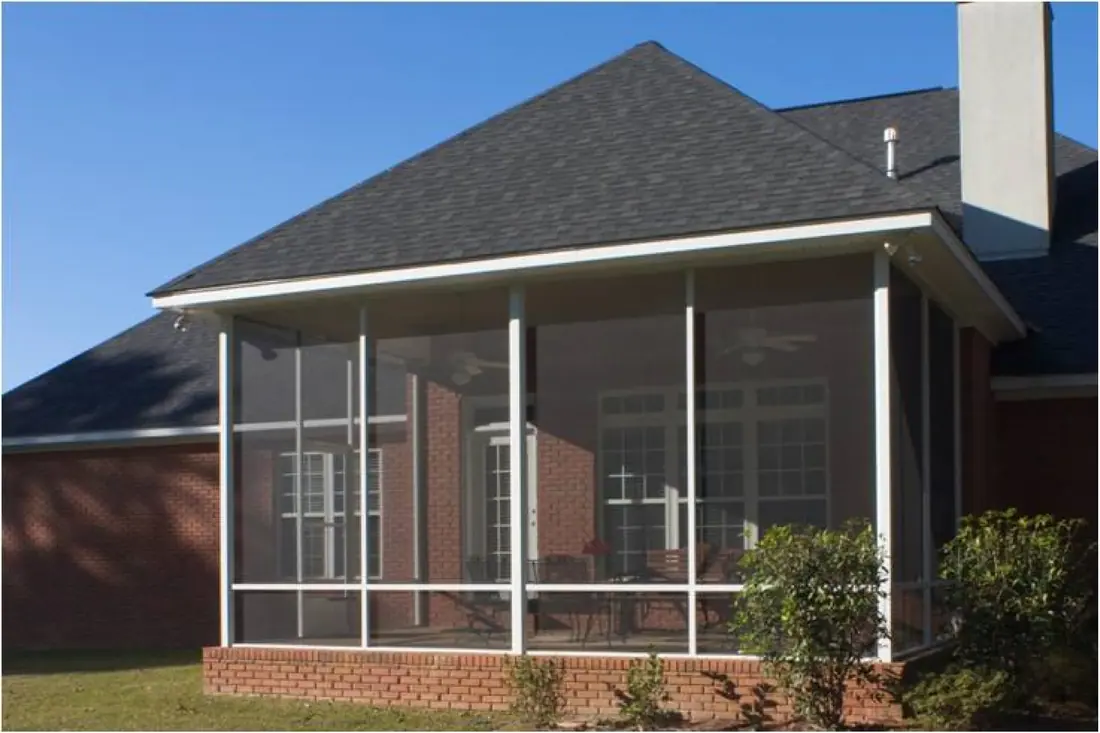
Yes. An enclosure hangs its frame on the cover and rests it on the slab, so both have to be sound. If the posts are undersized or the slab has moved, fix that first. We would rather tell you that at the estimate than build a screen frame that shows every bit of movement.
Permits are the other check. Whether a screened enclosure needs one depends on your city and on how the work is built, so ask before you start. Arlington and Fort Worth each post their permit information online, and our permit guide shows where to begin.
What drives the price of enclosing a patio?
Size and material do most of it. A wide opening with glass costs more than a narrow one with mesh. After that come doors, the work needed on the cover and slab, electrical, and the finish. We give a written estimate after we have seen the patio, because two covered patios of the same size can need very different amounts of work.
- The width and height of the openings you want to close.
- Screen, panel or glass, since each is built and priced differently.
- The number and type of doors, including a wide opening for furniture.
- Repairs to the cover, the posts or the slab before the frame goes on.
- Electrical work for fans and lights, and any heating and cooling you add.
Plan for the fans and lights at the start. A ceiling fan moves air through a screened room and makes a warm evening more comfortable, but the wiring has to run through the cover before the screens close it in.
How do you decide between screens, panels and glass?
Ask which months you want to use the space and what bothers you most. If bugs are the problem, screens are enough. If wind and rain are, add panels. If cold and heat are, you are describing a sunroom. American Eagle Builders is a family-owned exterior remodeler in Arlington, working across Dallas–Fort Worth since 1984. See our patio enclosures and book a free in-home estimate, and we will look at your cover and slab together.
Questions we get asked about this
Fewer insects, shelter from wind and blowing rain, longer life for outdoor furniture and a room you can use more months of the year. How much of each you get depends on whether you choose screens, panels or glass.
Usually not in a way that counts as living area. A screen or panel enclosure is not heated or cooled, so it is treated as outdoor space. A fully insulated room is different, and your appraiser and city will decide how it is counted.
It depends on your city and how the work is built. Some work may need a permit and some may not. Check with your city’s permit office before you start. Arlington, Fort Worth, Dallas and Plano each post information online.
It keeps out most flying insects, but small gaps at the slab or around the door can let some in. Tight details at the base of the frame and a well-fitted door matter as much as the mesh itself.
You can, but the frame has to attach to the cover and sit on the slab correctly, and your city may need to approve it. American Eagle Builders offers free in-home estimates if you want a second look at what your patio can carry.