In the sunroom vs screen room choice, a screen room is open to the air and best in mild weather, while a sunroom is a sealed, insulated glass room you can use in July and January. A screen room is a covered porch or patio with screen walls. Which one fits depends on the months you want to use it.
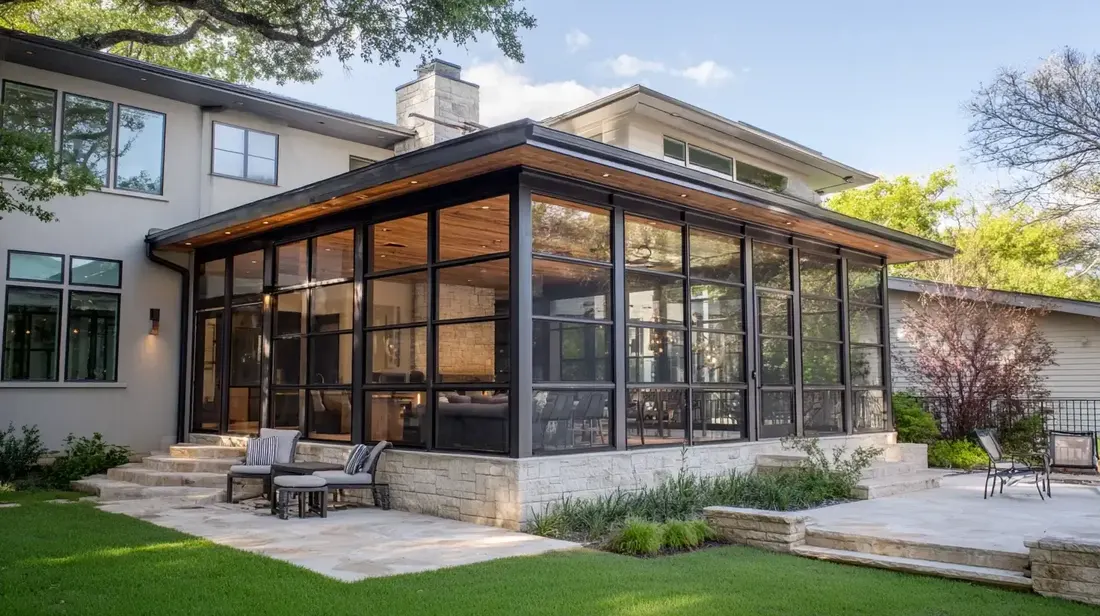
The short answer
- A screen room is open to the air and a sunroom is sealed and insulated, and that one difference drives everything else.
- A screen room works in mild weather but gives little protection in a freeze like December 2022 or a heat wave like summer 2023.
- Screens stop bugs, not wind-blown rain, so a dry room needs glass.
- Count your answers to the five questions, and ask for estimates on both options if you are split.
- Check with your city and your HOA before you build either one, because the rules differ.
- Do not build a sunroom for a room you will use twice a month, or a screen room for a winter office.
They can look alike from the yard, and that is where the mix-up starts. Both are roofed rooms with big openings. One of them lets the weather in. The other is built to keep it out, and that difference decides almost everything else.
What is the difference between a sunroom and a screen room?
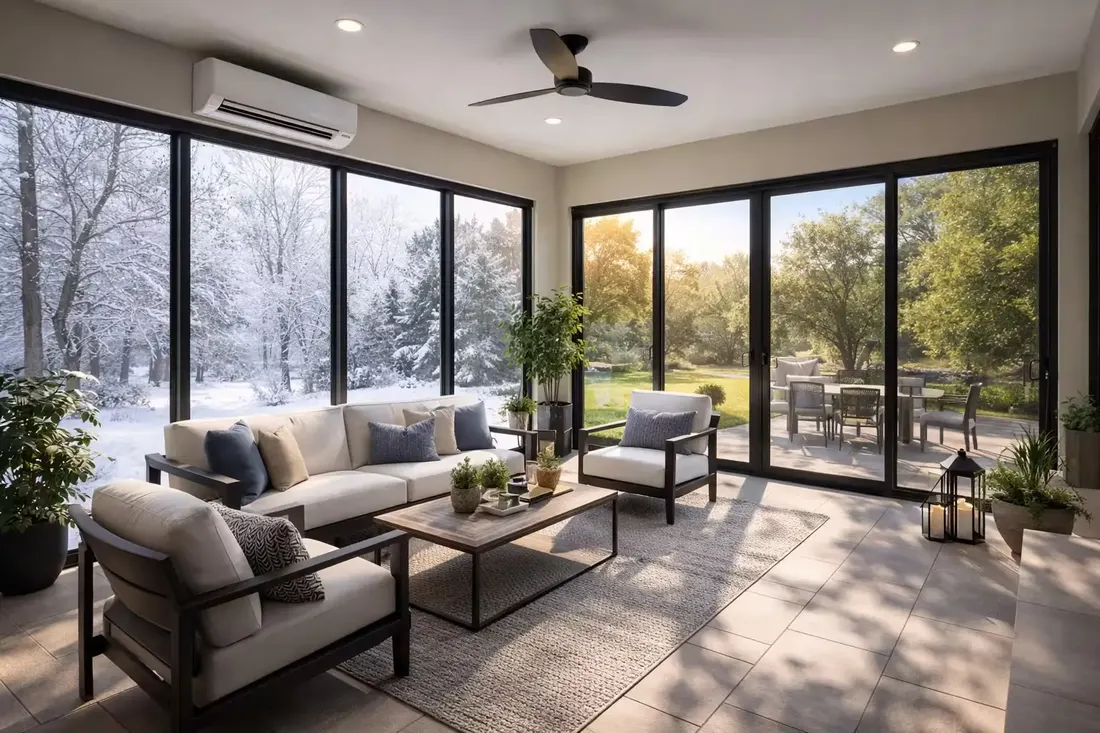
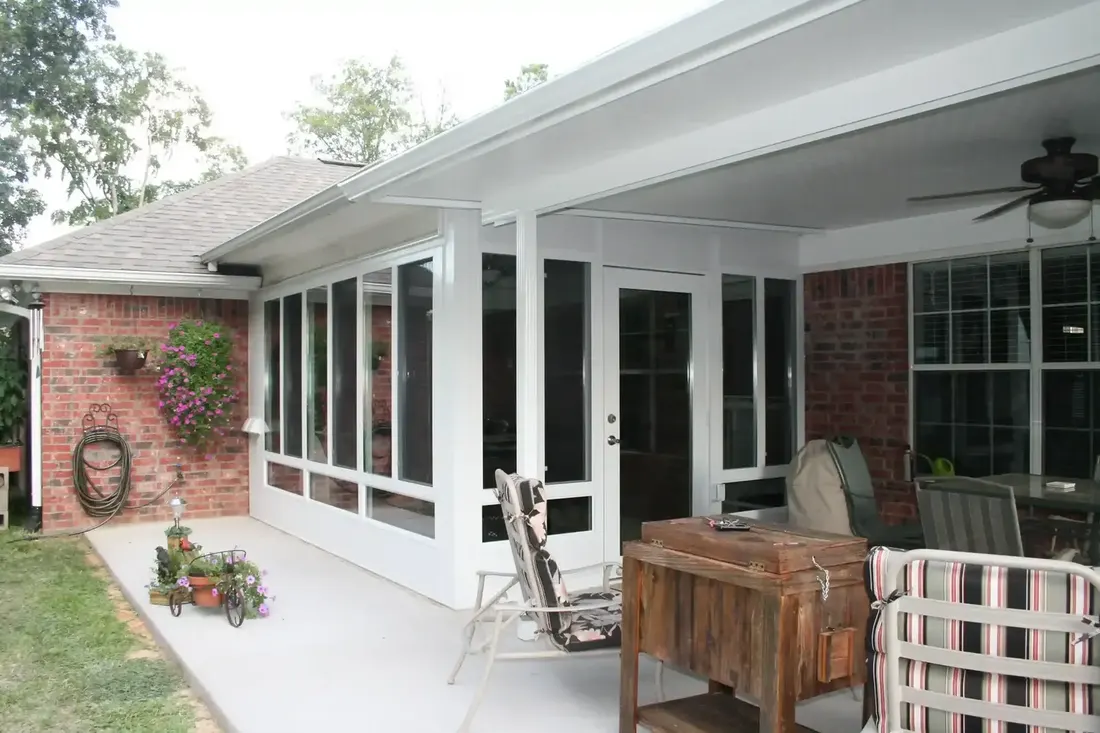
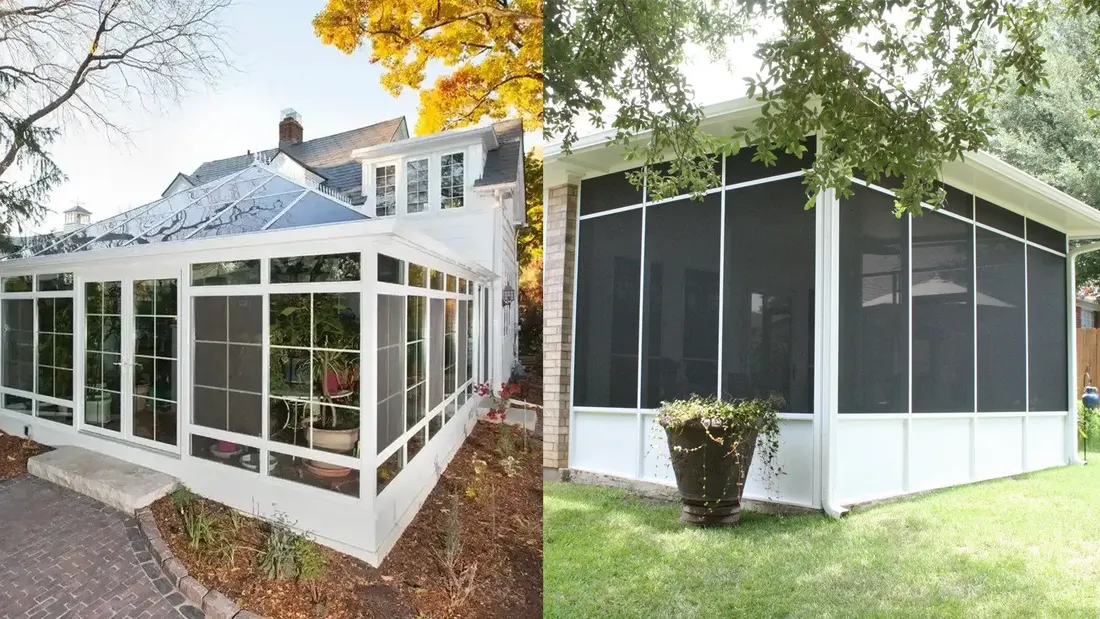
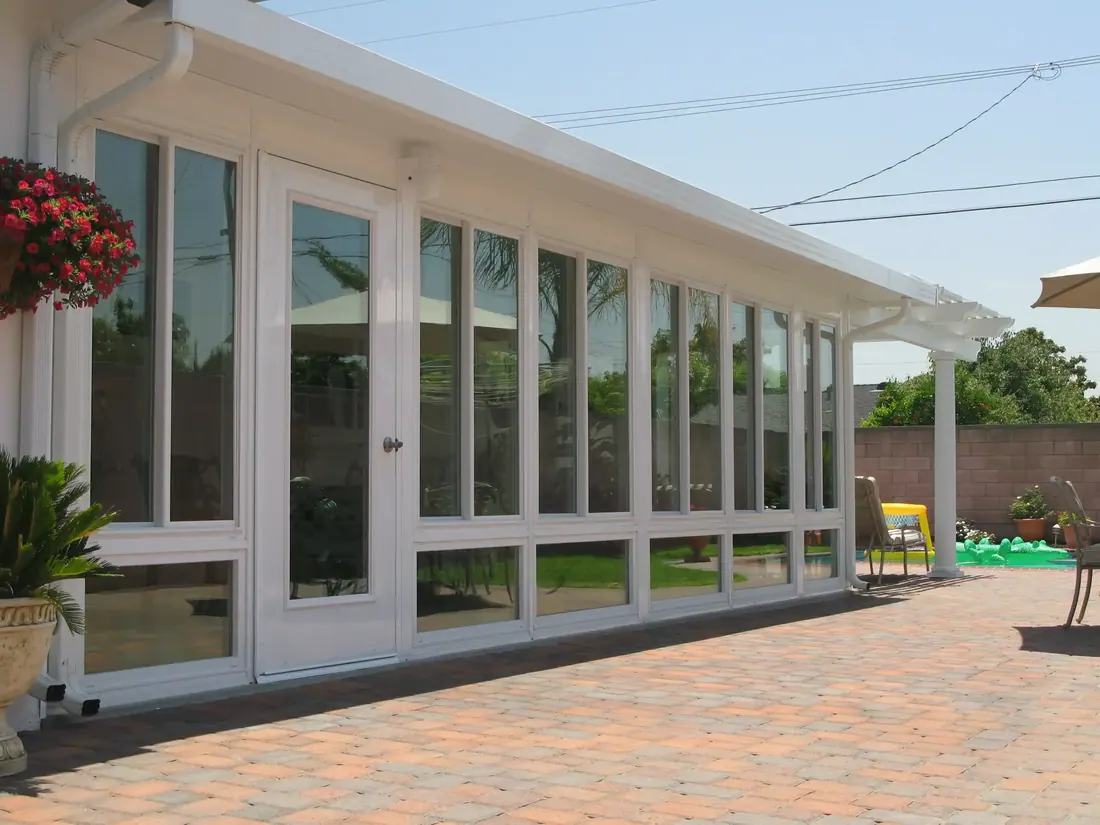
A screen room has screen walls, so air moves through it and bugs stay out. A sunroom has glass walls and an insulated roof, so it is sealed and can be heated and cooled. One gives you the outdoors with protection. The other gives you an extra room with a view.
Some rooms mix the two, with glass and screen panels in the same frame. That can give you flexibility, but ask what the frame and roof allow before you assume you can change it later.
Which one handles North Texas weather better?
A sunroom, in the extremes. A screen room is comfortable in spring and fall, and it is a good place on a mild night. In a hot July afternoon it is only shaded, and in a freeze it is only a roof. The National Weather Service office in Fort Worth posts local climate information if you want to see how many days fall in the comfortable range where you live.
The December 2022 freeze and the long heat of summer 2023 are the two ends of the range. A screen room could not offer much against either. An all-season sunroom is built for both, though only if it has the glass, roof and cooling to match. Our post on how all-season sunrooms handle extremes shows how.
| Factor | Screen room | Sunroom |
|---|---|---|
| Comfort in a July afternoon | Shaded only, still hot | Cooled, if built for it |
| Comfort in a hard freeze | Not heated, no real protection | Heated, if built for it |
| Bugs | Kept out | Kept out |
| Wind-blown rain | Can blow through the screens | Kept out |
| Fresh air and breeze | Yes, all the time | Only when you open windows |
| Heating and cooling | None | Yes, if designed in |
| Finished living space | Usually no, ask your city | Often yes, if fully enclosed, ask your city |
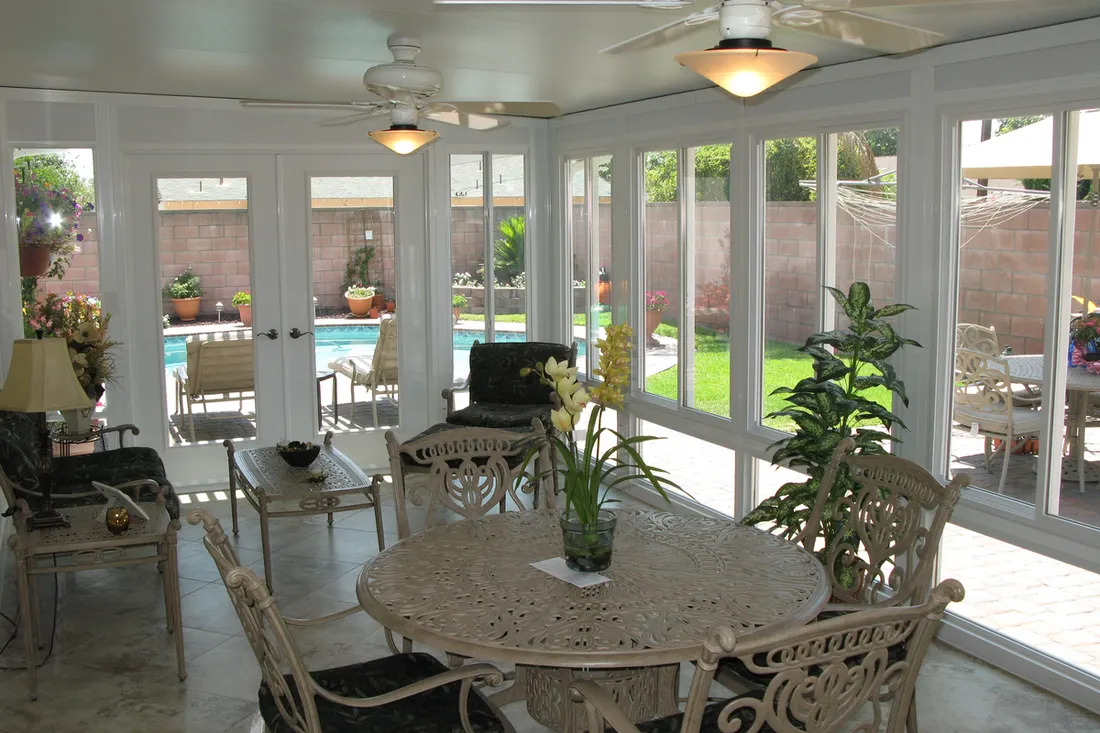
Which should you build? Answer five questions
Answer these honestly, and count your answers. If most are the first answer, a screen room fits. If most are the second, build a sunroom.
- Do you want the room mostly on mild evenings, or on most days of the year?
- Do you want fresh air and breeze, or a quiet, sealed room?
- Are you fine with a room you skip in a heat wave, or must it be usable in July?
- Do you want a place for a desk or a daily routine, or a place to sit with a drink?
- Is a lighter build the priority, or a room that counts as part of the house?
The first answer to each is the screen room’s. If you split down the middle, ask a builder to price both, so you can compare the real difference in work. Do not pick on looks alone.
How do upkeep and wear compare?
Both need attention, but of different kinds. Screens are the wear item in a screen room. Sun makes them brittle, pets and branches tear them, and a torn screen lets in the bugs it was there to stop. Plan on replacing panels as they age, and check the frame for fading and loose corners.
A sunroom has more parts, so it has more to look after. Glass needs cleaning, seals and weatherstripping need a look every year, and the heating and cooling equipment needs its own service. None of it is hard. It is simply more than a screen room asks of you, and it belongs in your thinking from the start.
Picture two neighbors on the same street. One wants a porch to sit on with the dog on May evenings. The other wants a spot to work from home in August. The first is happy with screens. The second will be unhappy with them by the first hot week, however nice the room looks.
One more thing to weigh is how the room meets the house. A screen room usually attaches to an existing porch or patio roof and leaves the house wall alone. A sunroom ties into the wall, so it has to be sealed and flashed against water at that joint. That is a good reason to have the connection explained in writing before you sign.
Do you need a permit for a sunroom or a screen room?
Often, yes, for either one, and rules differ by city. Check with your own city’s permit office before you start. Arlington and Fort Worth both post their residential permit information online. If you have an HOA, check with it too, since it may review roof lines and materials.
When is each one the wrong choice?
A screen room is the wrong choice if you want a winter office, or if you are tempted to call it a bedroom. It will not hold heat. A sunroom is the wrong choice if you want the sound and smell of the yard, or if you will use the room twice a month. You would be paying for walls you never close.
There is a third option worth a look: enclosing a patio you already have. Our post on enclosing your patio covers that path, and the difference between a sunroom and an enclosed porch explains another look-alike.
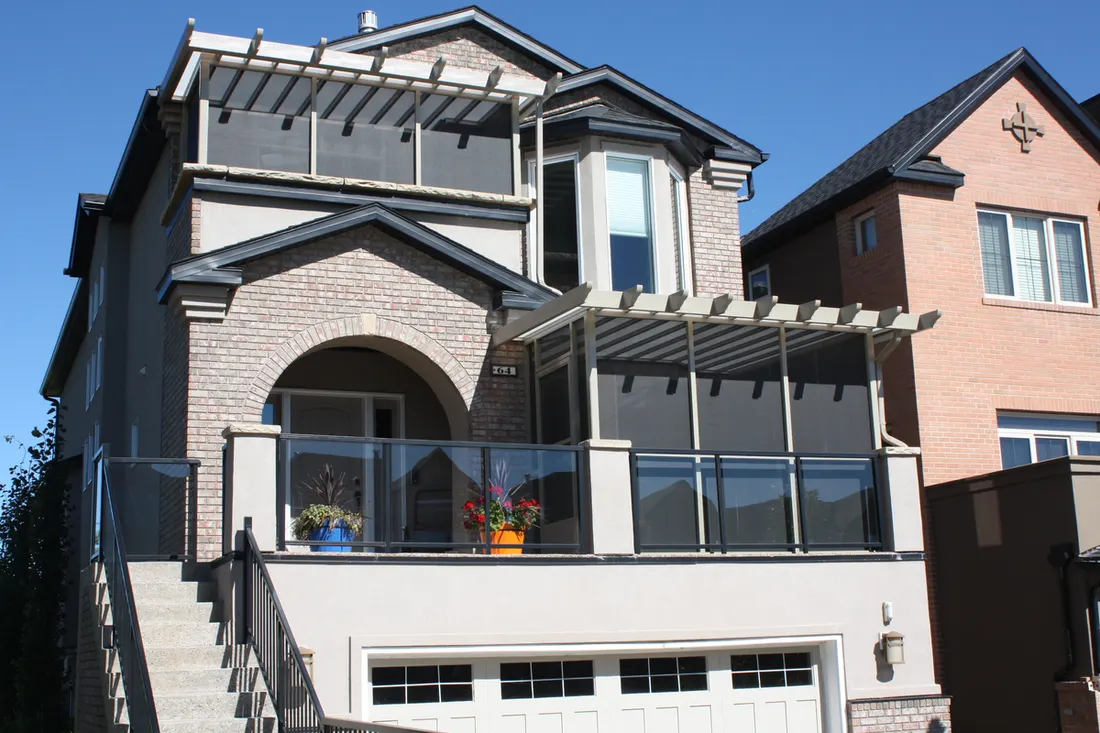
American Eagle Builders is a family company in Arlington. We have worked across Dallas–Fort Worth since 1984. We build patio enclosures and sunrooms, and we offer a free in-home estimate that can price both for the same space.
Questions we get asked about this
A screen room is a lighter build with no glass package, insulation or climate equipment, so it generally takes less work. How much less depends on size and design, so ask for estimates on both. The honest comparison is what each gives you in the weather you have.
Sometimes, but not always. The frame, roof and slab have to be able to carry the glass and insulation. Ask before you build whether the frame is designed for it. If you know you want an all-season room, build it as one.
Screens stop bugs and debris, not wind-blown rain. A solid roof keeps rain from above, but side rain can come through. A glass enclosure keeps it out. If you want a dry room in a storm, glass panels are the answer.
Both can. Rules differ from city to city, so check with your permit office. Arlington and Fort Worth post their permit information online. An HOA may also need to approve the design before you build.
Yes. We install patio enclosures and Four Seasons sunrooms, and our free in-home estimate can price both for the same space so you can compare them side by side.