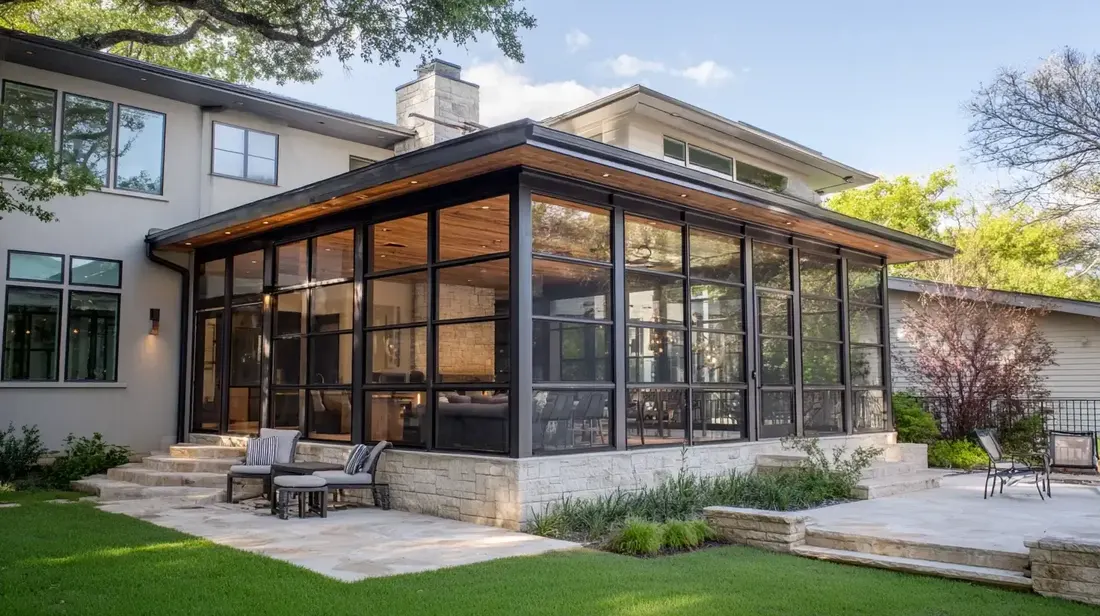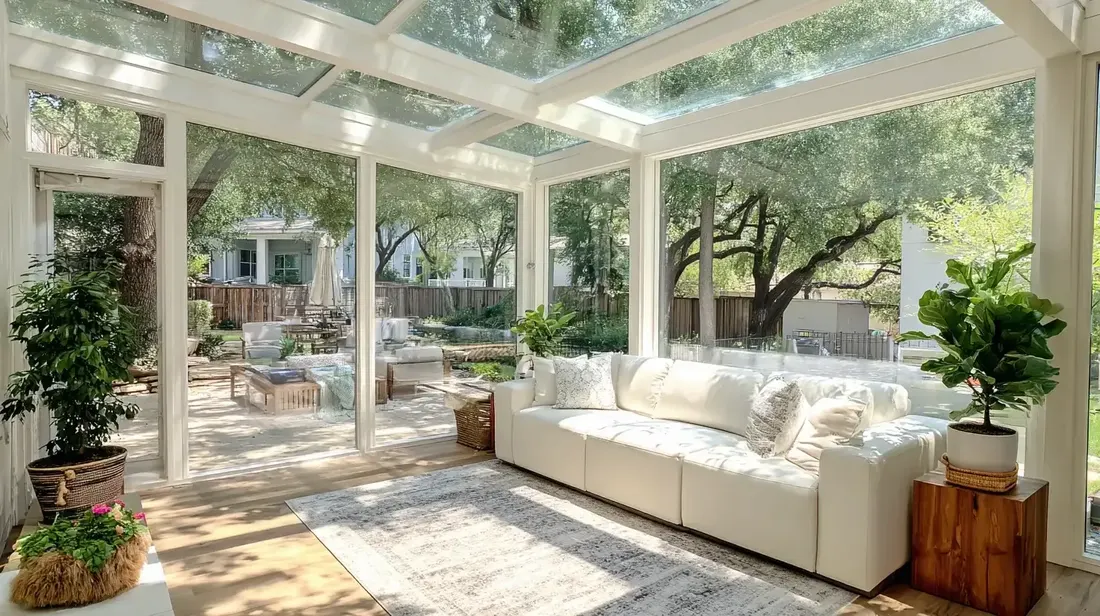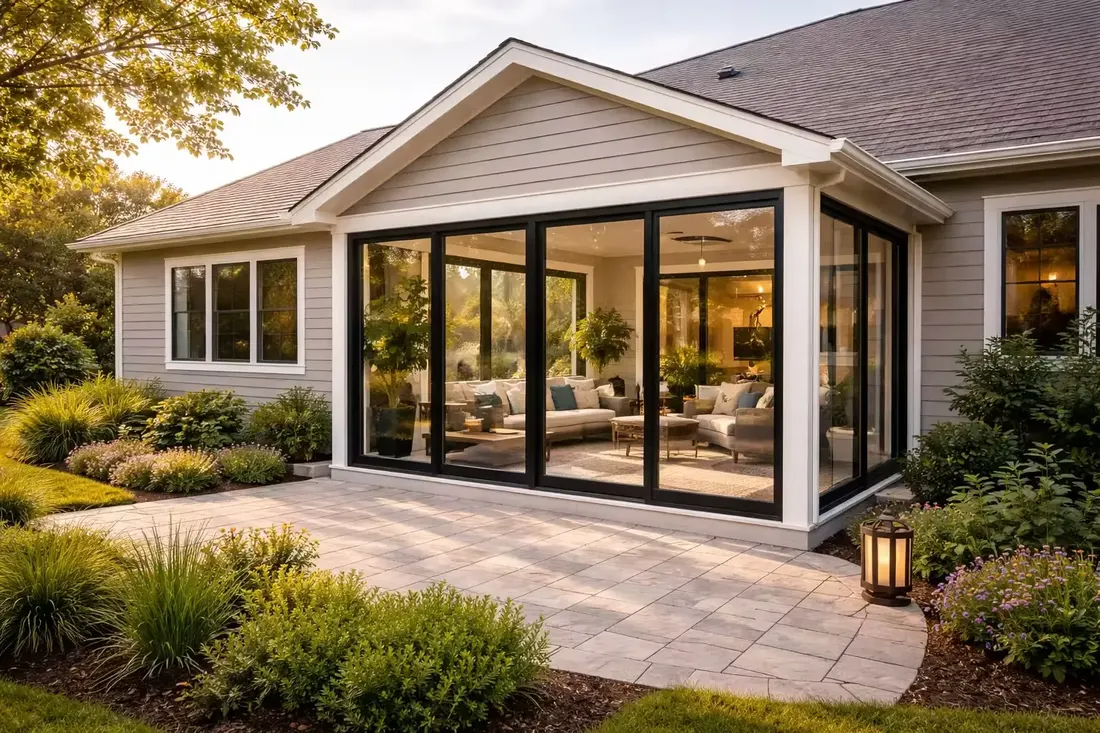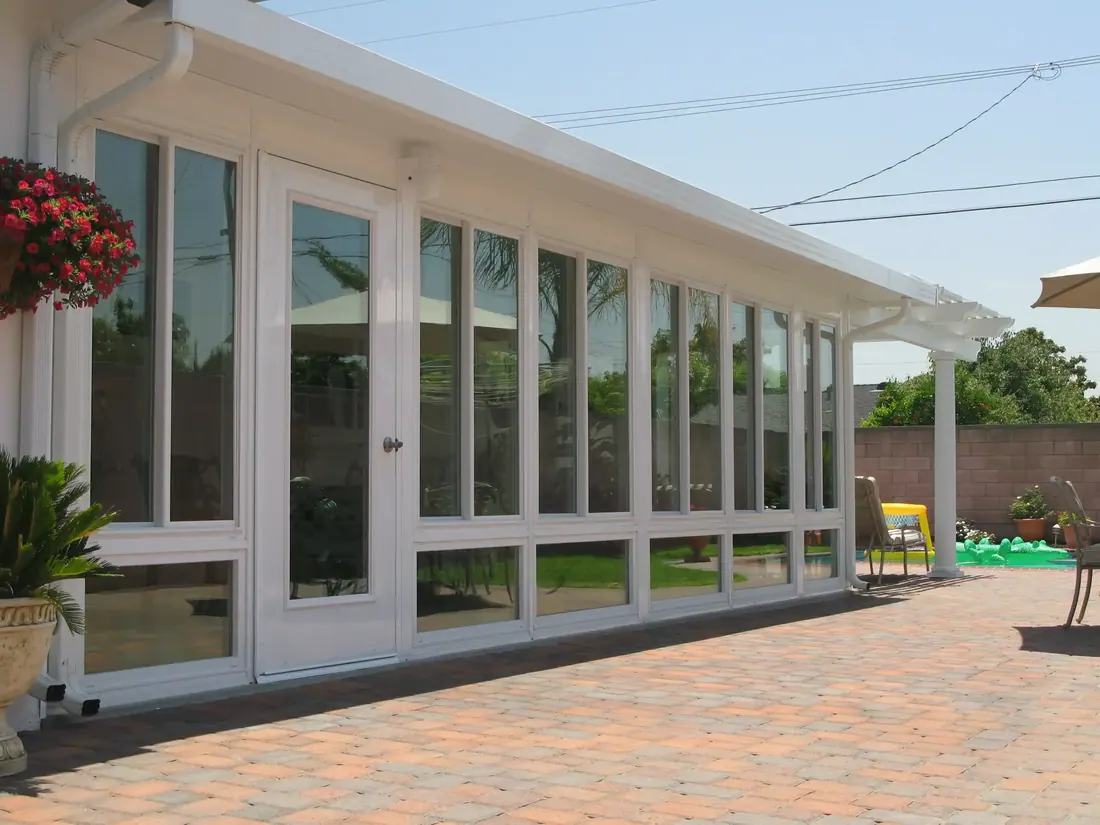
A sunroom is a glass-walled room attached to your house, and sunroom types differ mainly in insulation. A glass-wall sunroom follows the weather. An all-season sunroom adds insulated walls, roof and glazing so it can be heated and cooled. Pick by the months you will use it.
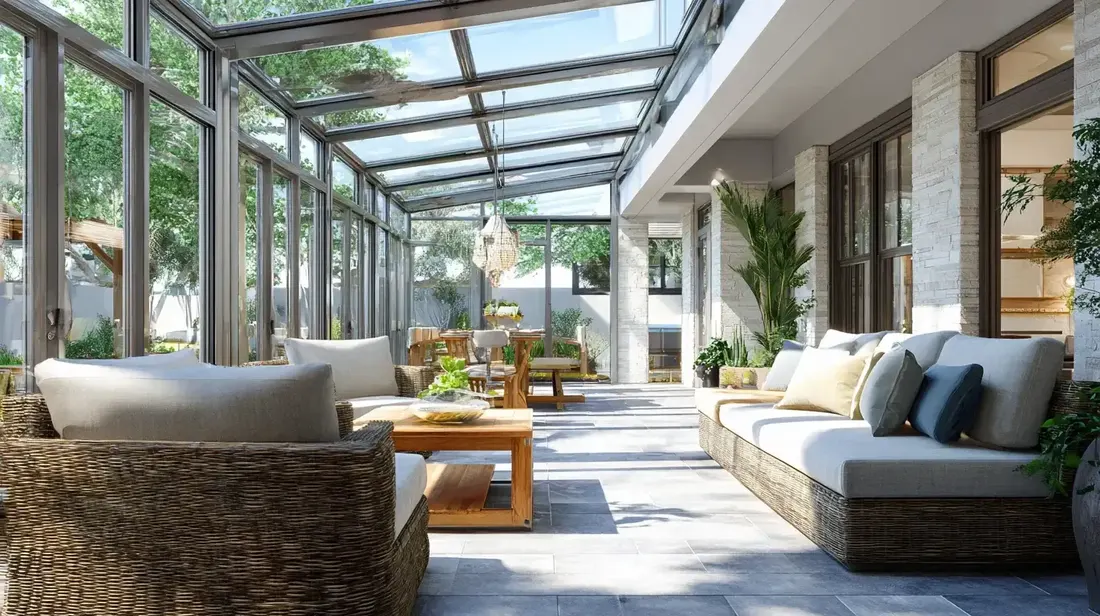
The short answer
- Sunroom types differ mostly in insulation, not in style.
- A glass-wall sunroom follows the weather and suits milder months.
- An all-season sunroom is insulated and can be tied into heating and cooling.
- Choose by the months you will really use the room, not by the photo.
- A glass roof adds light and heat, so plan shade and cooling or accept mild-day use.
- Ask for the design you will want in ten years, because upgrades later are bigger jobs.
People shop for a sunroom by looks and then find out the names mean something. Glass-wall, three-season, four-season and all-season are not styles. They describe how the room is built and how many months you can sit in it. A wrong guess means a room that is too hot in August or empty in January, so it pays to know the difference before you walk a showroom.
What is the difference between a glass-wall sunroom and an all-season sunroom?
Insulation and climate control. A glass-wall sunroom has large glass walls under a solid roof and is built for the milder months. An all-season sunroom has insulated walls, an insulated roof and better glazing, and it can be tied into your heating and cooling. The table compares them with two nearby options.
| Type | How it is built | When you can use it | Weak spot |
|---|---|---|---|
| Screen room | Screens in a frame, open to the air | Mild weather, evenings, bug season | No protection from cold |
| Glass-wall sunroom | Glass walls under a solid roof, not designed for full climate control | Spring and fall, plus mild days in winter | Hot in summer afternoons and cool on cold mornings |
| All-season sunroom | Insulated walls, roof and glazing, tied into heating and cooling | Every month, when the system is sized for it | More to build, and the system has to be sized right |
| Glass-roof room (solarium) | Glass walls and a glass roof | Mostly mild months unless shaded and conditioned | Heat gain through the roof |
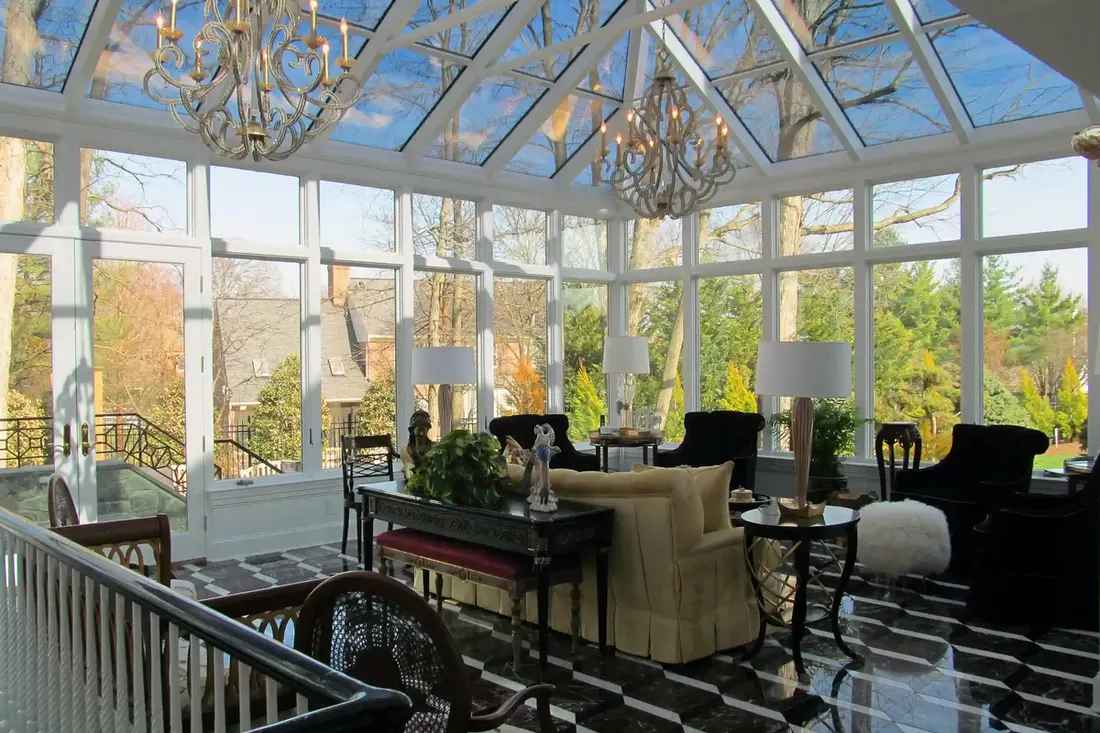
How many months will you really use the room?
Answer honestly, because the room has to match the answer. If you picture sitting in it on a January morning or working in it on an August afternoon, you want an all-season room. If you mostly picture spring and fall, a glass-wall room can be enough. Four questions make the test easy to run.
- Will you use the room in July or August, when the afternoon sun is hardest?
- Will you use it in January, when you want it warm without a portable heater?
- Will it be a place for work, where you need steady temperature every weekday?
- Will you keep plants, a piano or art there that dislike big swings in temperature?
Answer yes to any of these and you are describing an all-season room. Answer no to all four, and a glass-wall sunroom or a screen room is a fair match for a smaller budget. Our post on sunroom versus screen room goes further on that second choice.
There is an honest middle case. Some households want the glass-wall look and will only use the room on pleasant days. For them, spending on a full climate system is money they will not feel. The reverse also happens: a family buys the cheaper room, then finds in the first July that the afternoons are too hot to sit in it. Be candid with yourself and the builder about how you will use the space, and ask the builder to say what the room will feel like on a hot afternoon.
Which sunroom type copes better with North Texas weather?
The all-season room copes better, because it is built for swings. The February 2021 winter storm and the December 2022 freeze showed how cold a glass room can get, and the summer of 2023 showed how hot it can get. A glass-wall room follows the weather outside. An insulated room, tied into a system, does not, but it still depends on power.
Glass choices matter in both. The Efficient Windows Collaborative explains how glass and coatings change heat gain, which is useful when you compare a glass-wall room facing Dallas afternoon sun with one that faces east. We build Four Seasons sunrooms, and the maker’s site shows its range of sunroom and patio room styles.
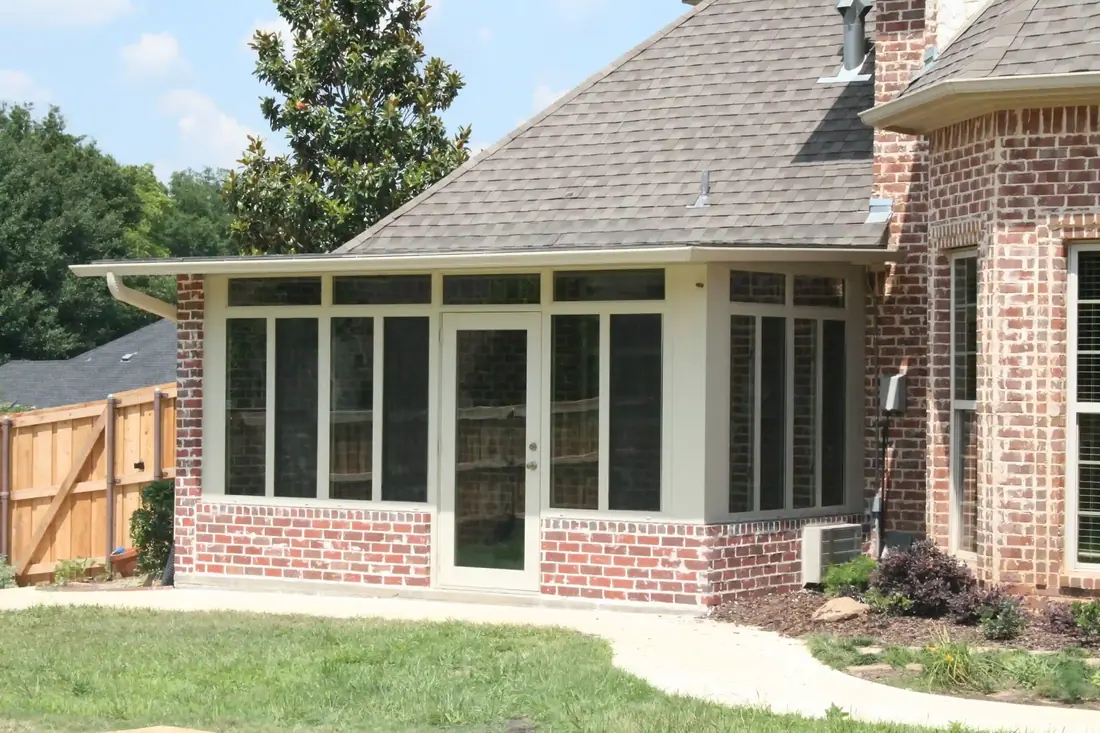
Are three-season, four-season and all-season rooms the same thing?
Not exactly. The names describe how long you can use the room, and builders use them loosely. A three-season room is meant for spring, summer and fall. Four-season and all-season both mean a room built for winter as well. Ask any builder to say what the name means for their product, in writing, because there is no single legal definition.
- Three-season: glass or screens under a roof, not meant for full climate control.
- Four-season or all-season: insulated and meant to be heated and cooled.
- Solarium: a room with a glass roof as well as glass walls.
- Screen room: screens in a frame, open to the air.
Does a glass roof change the choice?
Yes, because a glass roof adds heat gain. It also adds light and sky, which is why people like it. We build glass-roofed rooms, called solariums, on request. If you choose one, plan on shade and a cooling system, or accept that it will be a room for mild days.
A solid roof is the safer default in Fort Worth or Arlington summer sun. It keeps heat and hail off the room, and it lets you add a skylight panel for some sky without turning the whole ceiling into glass.
What does each type change about the build and the budget?
More insulation means more to build and more to size. An all-season room needs a heating and cooling plan, a sound slab and a careful roof tie-in. A glass-wall room still needs a slab and a roof joint that shed water, but it asks less of the systems. Price moves with size, glass, roof, slab work and the cooling plan, so an estimate has to follow a visit.
American Eagle Builders is a family-owned exterior remodeler in Arlington, working across Dallas–Fort Worth since 1984. See our sunroom and all-season sunroom pages, then ask for a free in-home estimate. Our post on what an all-season sunroom is covers the build in more detail.
Questions we get asked about this
Insulation. A standard glass-wall sunroom has glass walls under a solid roof and is meant for milder months. An all-season sunroom has insulated walls, roof and glazing and can be tied into heating and cooling for use in every month.
Only with shade and care. Large glass walls let a lot of heat in, especially facing west. Many owners use the room in the mornings and evenings in summer. If you want to use it all day, an insulated all-season room is a better match.
Sometimes, but it is a larger job than it sounds. The walls, roof and glass may all need to change. If you suspect you will want year-round use, ask for an all-season design at the start.
Not quite. A screen room is open to the air and keeps bugs out, but it is not sealed or insulated. A sunroom is enclosed in glass. A screen room costs less to build and does not give you winter use.
Yes. American Eagle Builders installs Four Seasons sunrooms, including glass-wall and all-season rooms, across Dallas–Fort Worth. We give free in-home estimates and help you choose by the months you want to use the room.