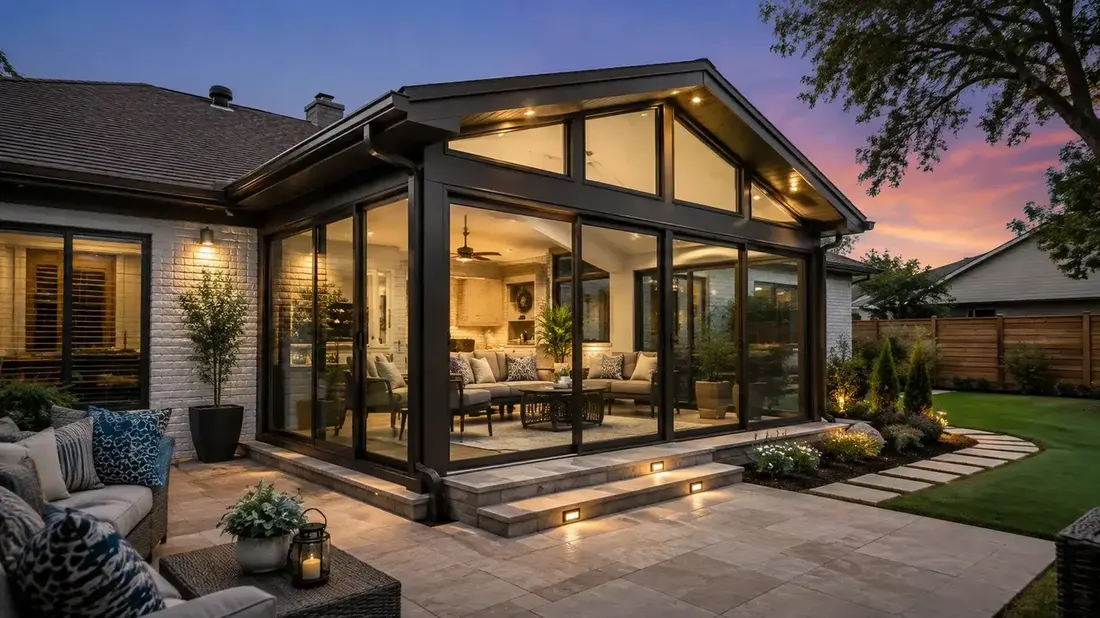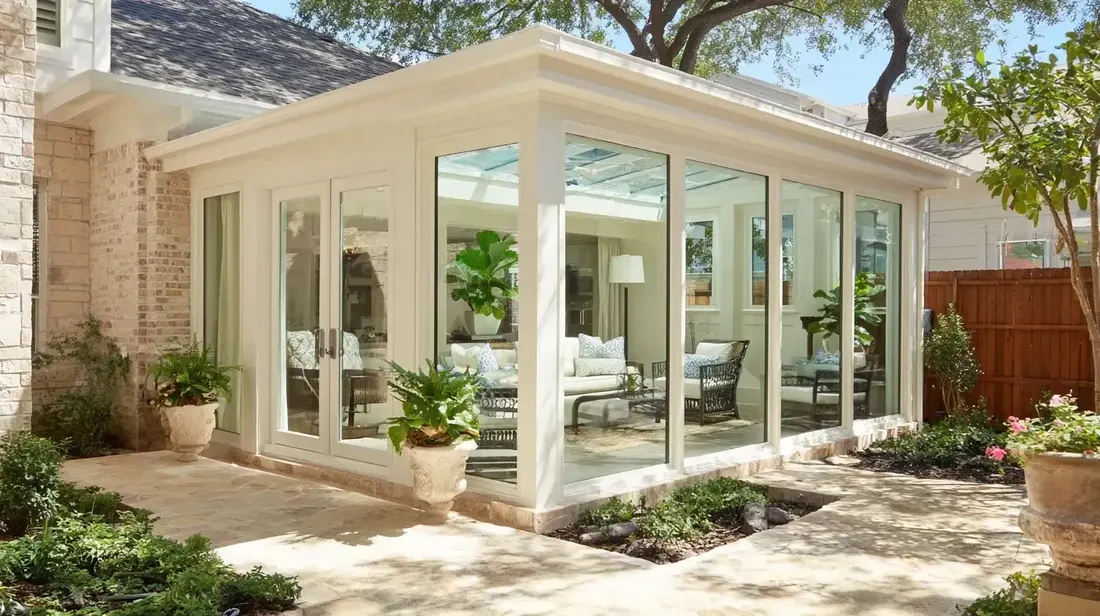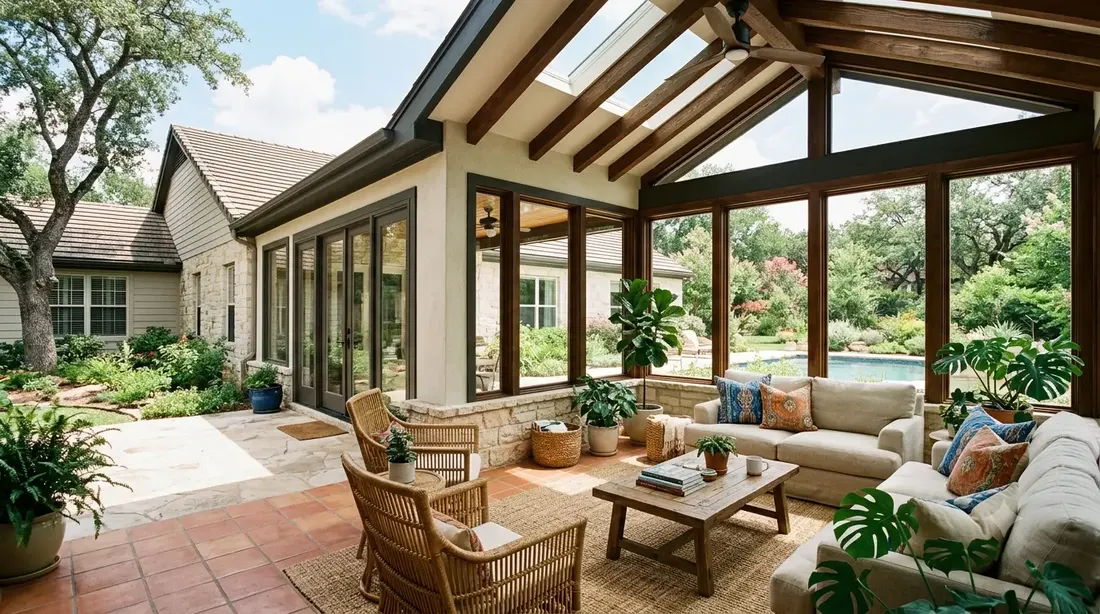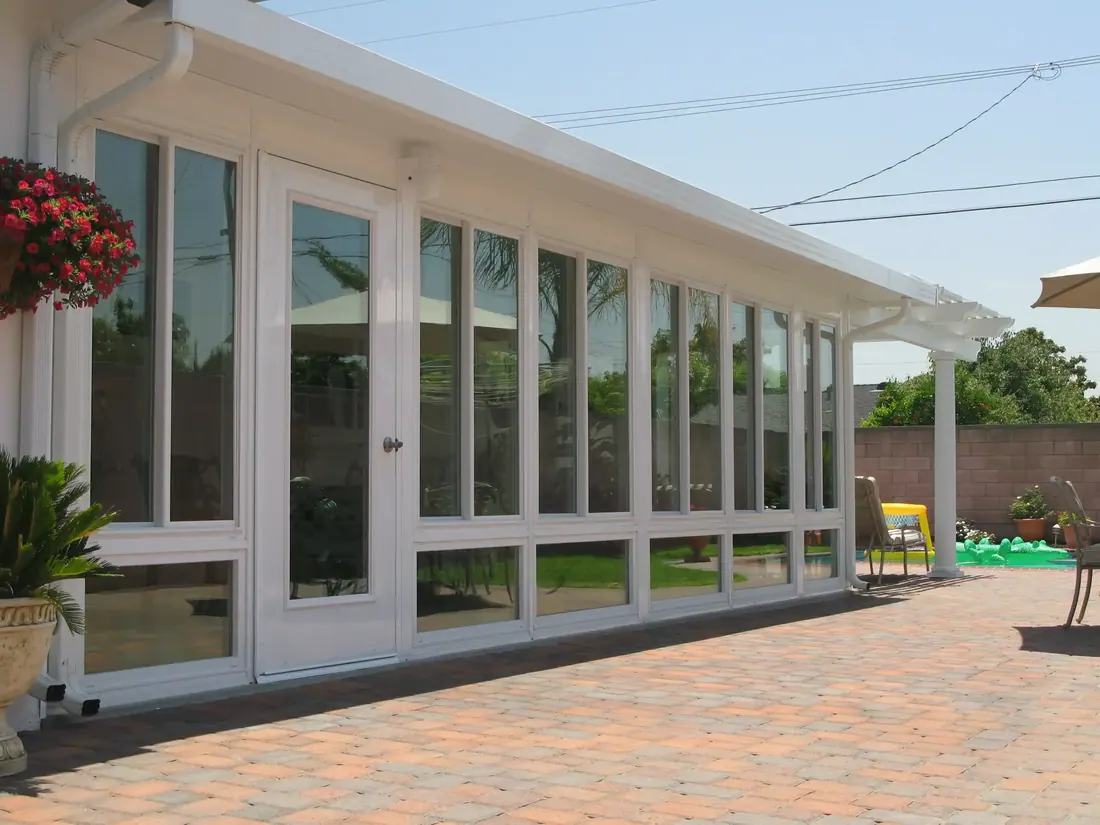
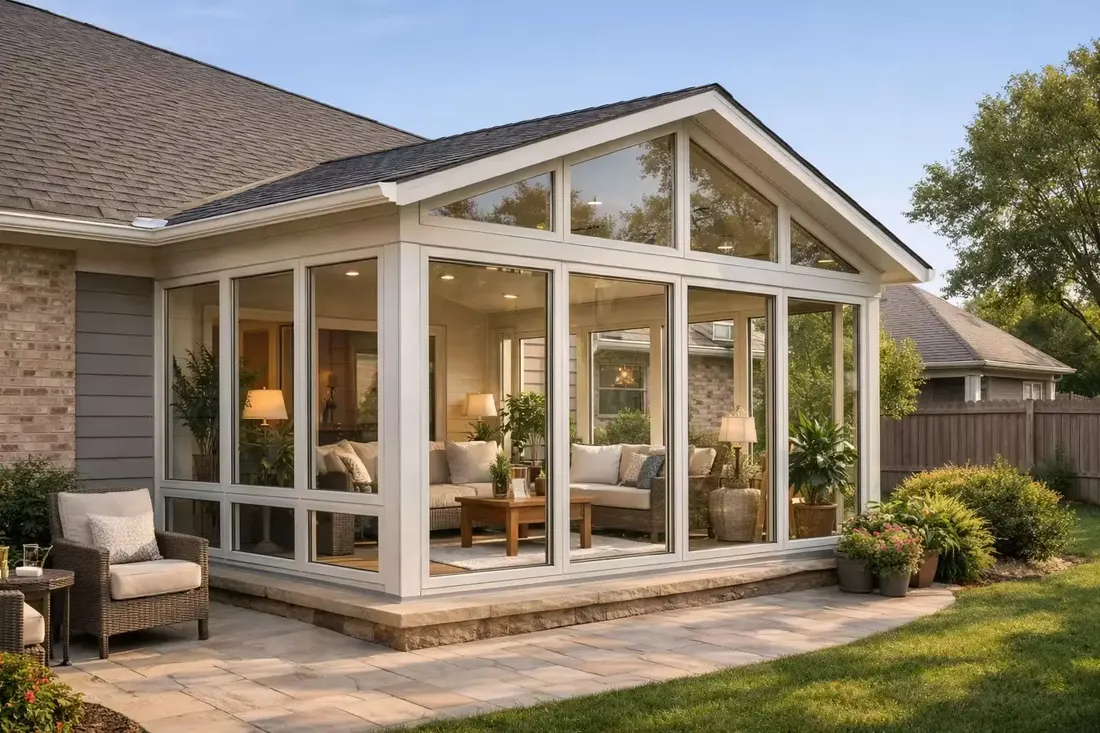
Whether a sunroom is worth it depends on how much you will live in it, because most of its return is use, not resale. A sunroom is a glass-walled room added to the house. Run the six tests in this post on your own home, and you will know quickly whether it earns its place.
The short answer
- Most of a sunroom’s return is daily use, so how often you will be in the room is the main test.
- Six tests on use, replacement, sun, house fit, upkeep and approvals will tell you quickly whether a sunroom earns its place.
- A sunroom works through the hottest weeks of a North Texas summer, which a patio cannot.
- Resale benefits are not guaranteed, so treat them as a bonus on top of use.
- The common failures are the wrong wall, cheap glass or roof, a blocked path and a room that never gets used.
- Check the house, the lot and the paperwork before you look at designs.
People ask whether a sunroom is a good investment as if it were a stock. It is closer to a piece of furniture the size of a room. You get the most out of it when you use it often, and it can sit unused like any other expensive thing you bought on a hopeful afternoon.
Is a sunroom worth it for a DFW home?
Yes, if you will use it on most weeks of the year and it suits your house and lot. The return is mostly daily living. Any resale benefit is a bonus, and no one can promise its size. Run these six tests to see where you stand.
- The use test: how many weeks a year will you be in the room?
- The replacement test: what space or habit does it replace?
- The sun test: which way does the glass face, and what shades it?
- The house test: does it join the house naturally, or does it block something?
- The upkeep test: will you clean glass, service cooling and check seals?
- The paper test: will your city and your HOA approve it?
Pass four or five, and the room is likely to pay you back in daily use. Pass two or three, and look at a screened room or a patio cover. Fail the first one, and stop.
How do you run the use test honestly?
Take out a calendar and mark the weeks you sat outside last year, or wished you could. Then mark the weeks you stayed in because the weather was wrong. A sunroom is meant for the second set of weeks. If most of your marks are in the first set, you already have what you need.
Add the people. A room used by one person at one time of day earns less than a room the whole household drifts into. Think of the morning, the afternoon and the evening, and see who would be there. If the answer is nobody at two of the three, consider a smaller room, or a different structure.
Be careful with plans for a new hobby or a future guest. Rooms built for a use that has not started yet are the ones most often left empty. Build for what you do now, in a layout that can change later.
What does a sunroom give you that a patio cannot?
Weather you can ignore. A patio is lovely on a mild evening and out of reach during the hottest weeks. A well-built sunroom keeps working, so a morning coffee or an afternoon of work happens in the same chair in July as in April. That reliability is the heart of the case, and it is the thing to hold the room to when you review an estimate: will it work on the hottest and coldest days, or only on the easy ones?
The long summer of 2023 made that point for plenty of North Texas households. Trees help too. Dallas lots often come with mature trees, and a room sited under their shade starts with less sun to fight. Light is the other gift. A glass room brightens the house behind it, which many owners notice on the first gray winter day.
Does a sunroom pay off when you sell?
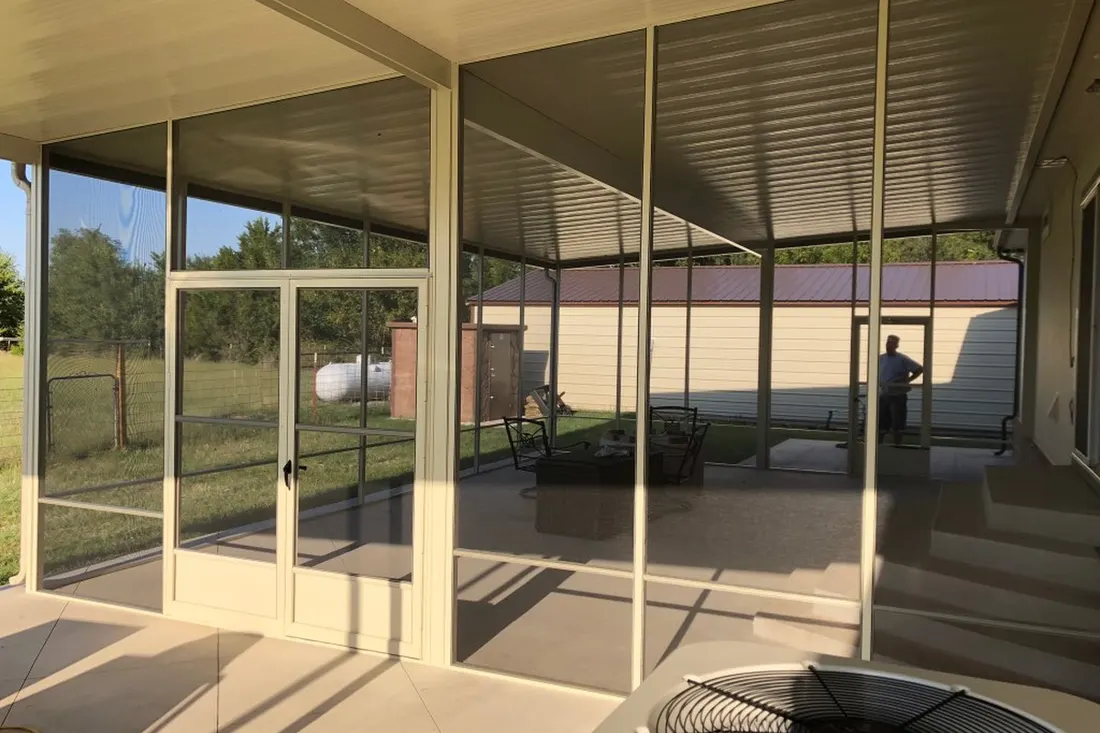
It can help, but it is not guaranteed. Buyers tend to respond to a finished, comfortable room that looks like part of the house. A room that is tired, mismatched or unpermitted can make them wonder instead. Treat resale as a bonus on top of use, never as the reason.
Our post on how much value a sunroom adds compared with other additions takes that question apart, and how a sunroom adds resale value covers the selling side. The Dallas Central Appraisal District posts property records if you want to see how enclosed rooms are recorded.
How does a sunroom fail to pay off?
Usually through one of four things: it is on the wrong wall, it was built too cheaply to be comfortable, it blocks something the house needs, or it never gets used. All four can be seen coming. Most come from rushing the design.
- A west wall with bare glass and no shade, so the room is too hot to use in summer.
- A glass package, roof or cooling plan chosen on price alone.
- A room that cuts off the path to the yard, or a bedroom’s window.
- A room built for a hobby or a stage of life that has passed.
That last one is the quiet one. A room built for a child’s play space or for one person’s project can sit idle when plans change. Choose a layout that can change jobs with you.
What should you check before you decide?
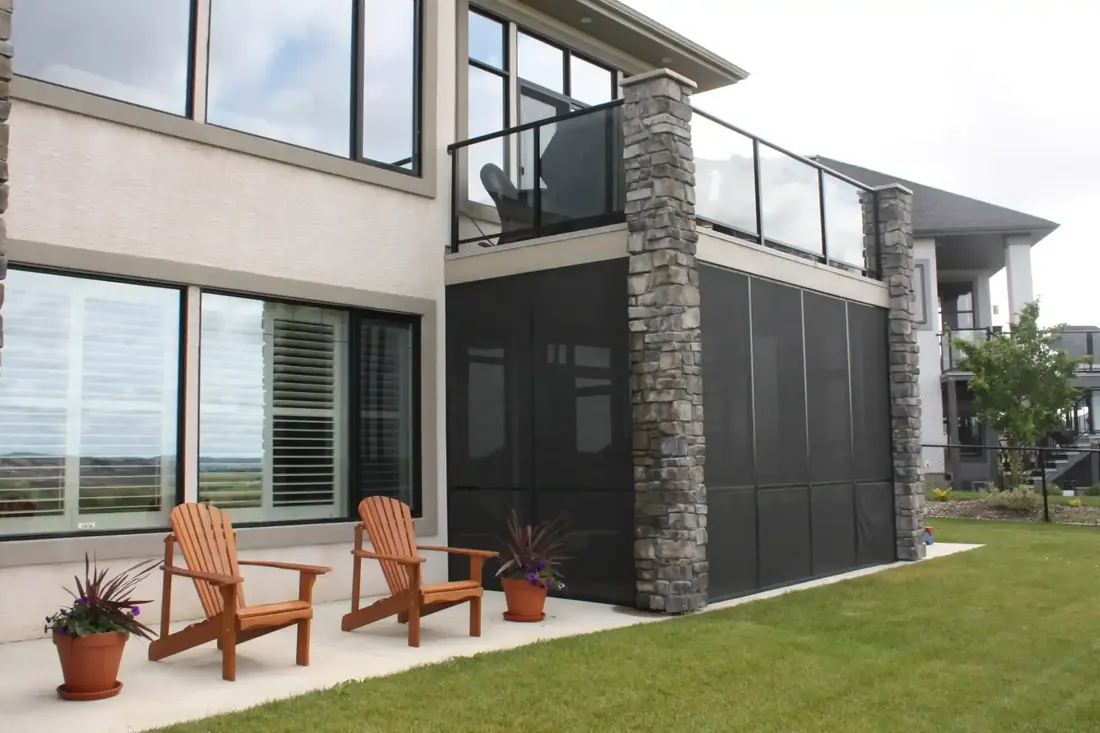
Start with the house, the lot and the paperwork, not the catalog. Look at where the room can go, who will approve it and what it asks of you after it is built. In neighborhoods with an HOA, such as Southlake, build the approval into your plan from the start.
- Which wall the room can use, and how much sun it gets in the afternoon.
- Whether your cooling and heating can reach it.
- What your city requires, which differs from city to city.
- Whether an existing patio slab can carry the room.
American Eagle Builders is a family-owned company in Arlington that has worked across Dallas–Fort Worth since 1984. We install Four Seasons sunrooms and offer free estimates. See our sunrooms, or book a visit and we will run these tests with you at the house.
Questions we get asked about this
Most of its return is use: a bright, comfortable room you enjoy on most days of the year. Resale benefits depend on quality, looks and permits, and no one can promise a figure. Build it for the way you will live in it, and count any resale gain as a bonus.
Yes, if it is built for it. That means good glass, an insulated roof, shade on sun-facing walls and a cooling source sized for the glass. A room with basic glass and no cooling will be uncomfortable in summer, so ask for those details before you build.
Glass loses and gains heat faster than walls, so a sunroom’s heating and cooling needs more attention than a walled room’s. Good glass, shading and sealing help. Ask your builder how the room will be conditioned and who sizes the equipment.
North- and east-facing walls take less afternoon sun, so they are easier to keep comfortable. A west-facing room can work with the right glass and shading, but it needs the most care. Check your own lot on a sunny afternoon.
Yes. We install Four Seasons sunrooms and give free in-home estimates across Dallas–Fort Worth. We look at the sun, the house and the slab, and we say plainly when a simpler option fits better.