Sunroom resale value is the amount a buyer or appraiser will credit the room for, which is not what you paid. A permitted, well-built, heated sunroom that matches the house can help a sale. An unpermitted or leaky one can hurt it. No one can honestly promise a figure.
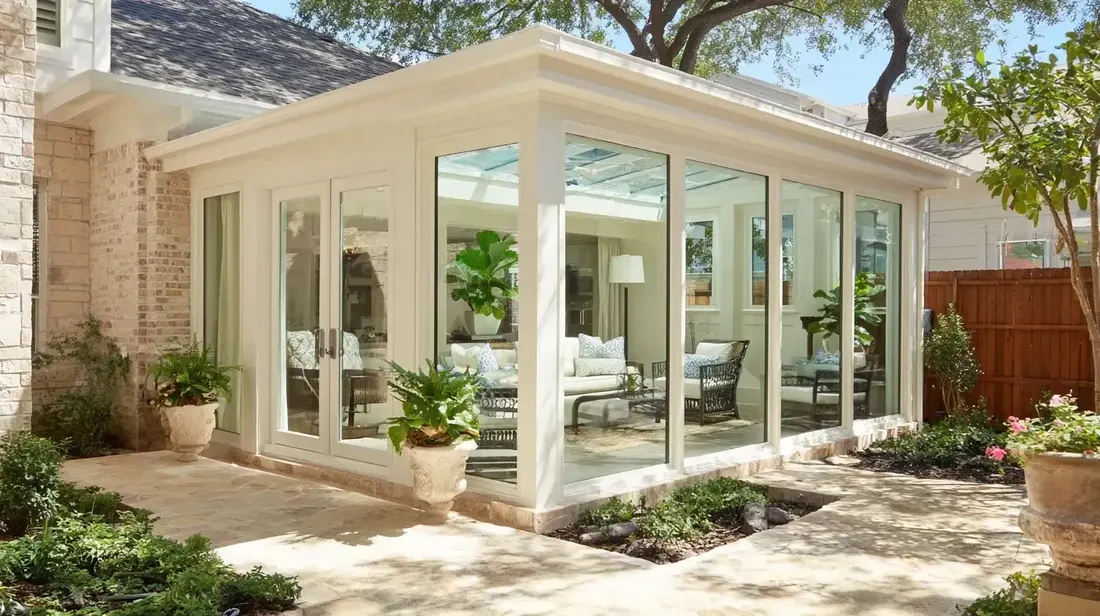
The short answer
- Sunroom resale value depends on the type, the permit, the finish and your local market.
- No honest builder can promise a fixed return on a sunroom.
- A heated, permitted all-season room is most likely to count as living area.
- Keep the closed permit and the paperwork with your house records.
- Matching frames and a clean roof joint help, while stains and fogged glass hurt.
- Build the room for the way you will use it, not for a future buyer.
Homeowners ask about resale before almost every addition. It is a fair question, and the honest answer is less tidy than a brochure’s. A sunroom is not a guaranteed return. It can make a house easier to sell, and it can make a buyer wary, depending on details that are easy to check before you build.
Does a sunroom add resale value in Texas?
Sometimes, and by an amount nobody can promise in advance. A sunroom can help a house stand out, especially one with a good view and plenty of light. What it adds depends on how it is built, whether it is permitted, whether it is heated and cooled, and what comparable homes nearby have sold for.
Be wary of any claim of a fixed return. The annual Cost vs. Value report from the Journal of Light Construction compares common remodeling projects with the resale value they keep. Check whether a project like yours is listed before you lean on any figure, and remember that a national or regional average is not an appraisal of your house.
What do buyers and appraisers actually count?
Buyers count what they can use, and appraisers count what the rules allow. An appraiser generally counts finished, heated space as living area, so an unheated room may not raise the square footage figure. Ask an appraiser or your agent how a room like yours would be treated, because the answer changes with the room.
| Type of room | What a buyer sees | What an appraiser may do |
|---|---|---|
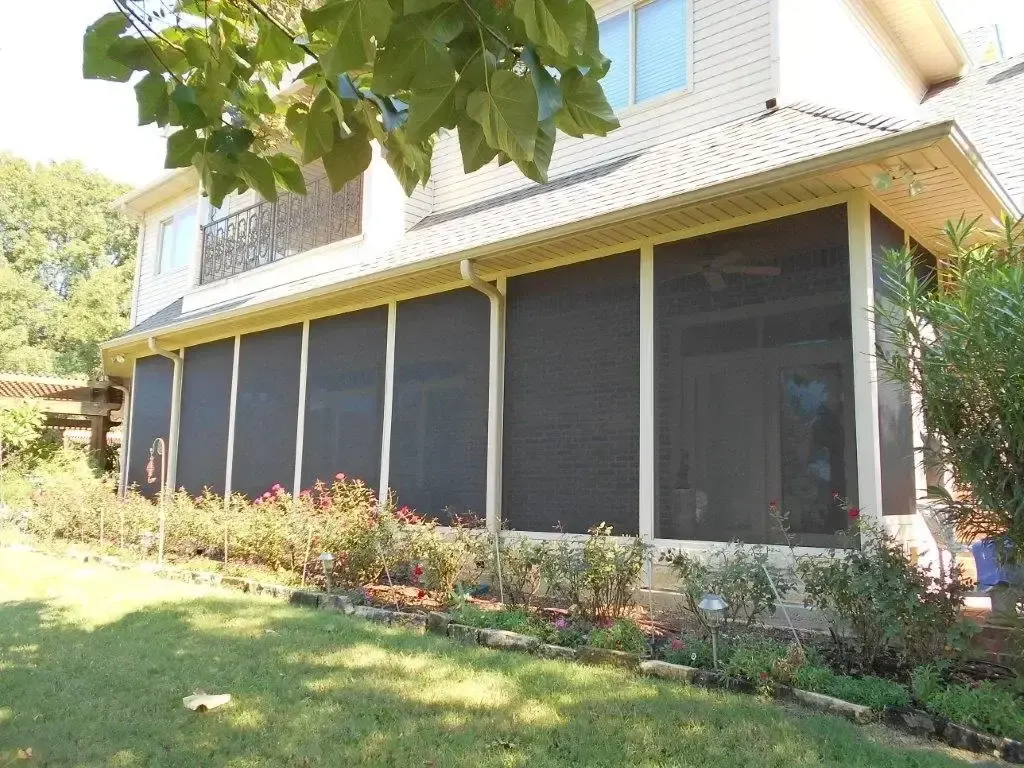
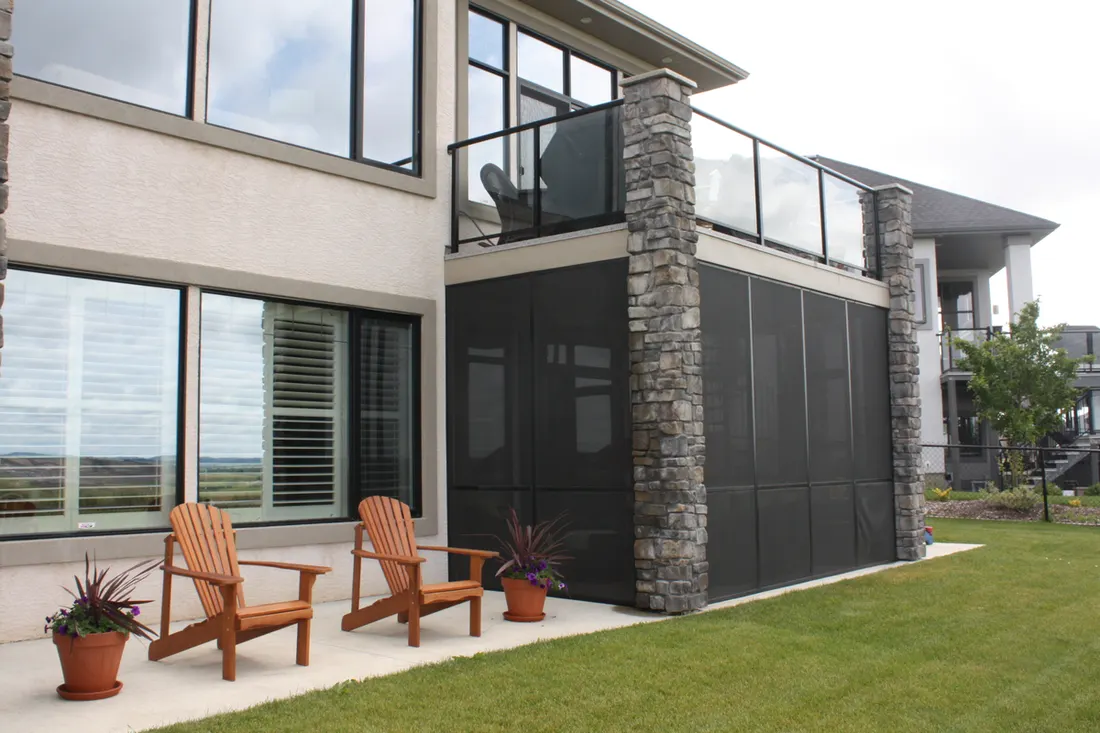
| Screen room | A pleasant bug-free porch | Often treated as outdoor space |
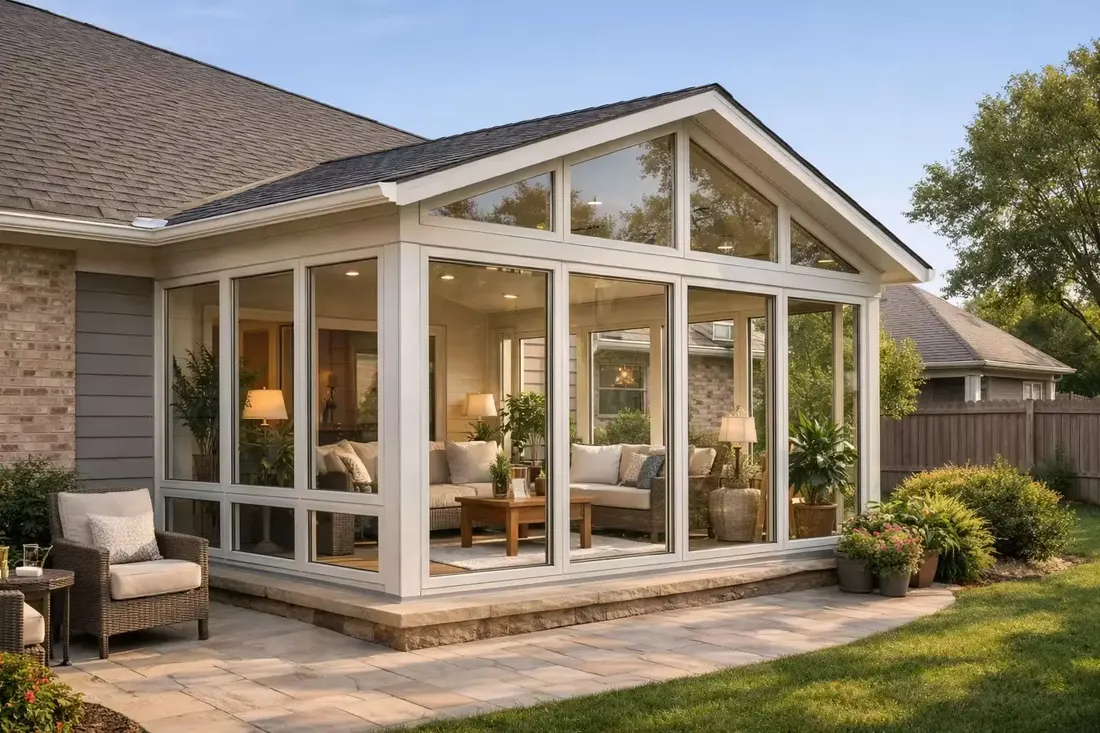
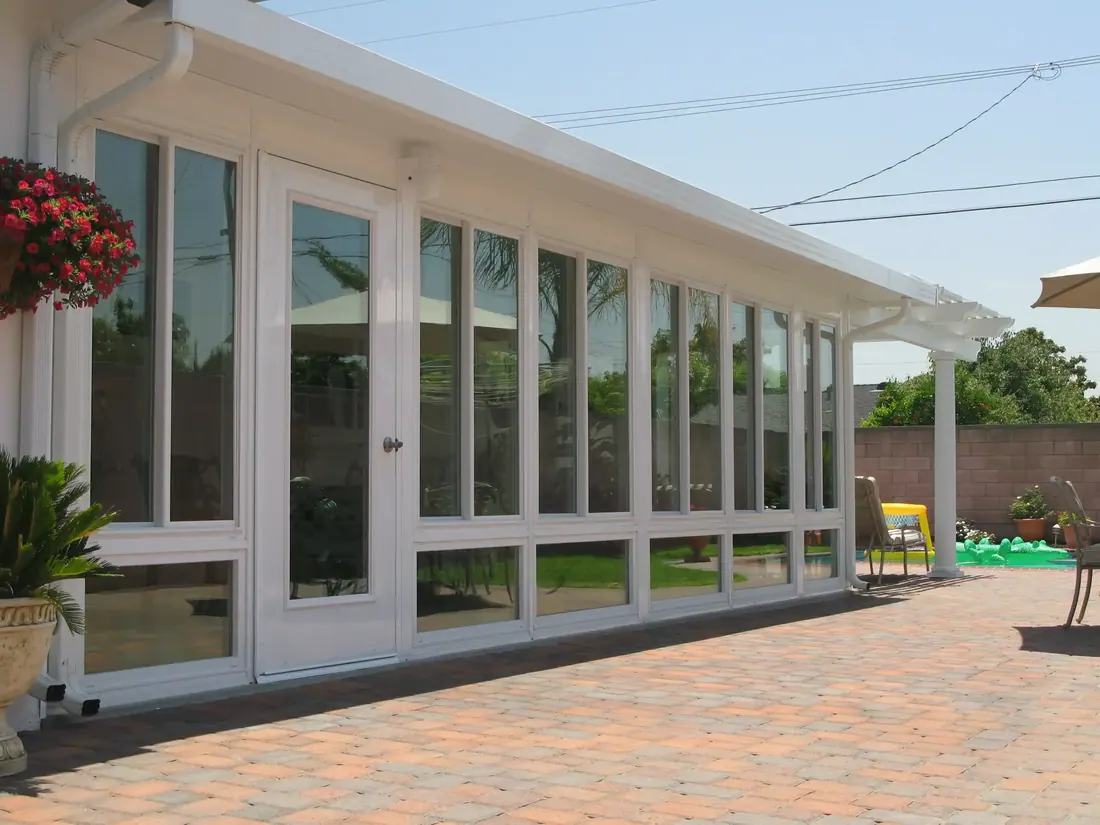
| Glass-wall sunroom, not conditioned | A bright room for mild months | May not count it as living area |
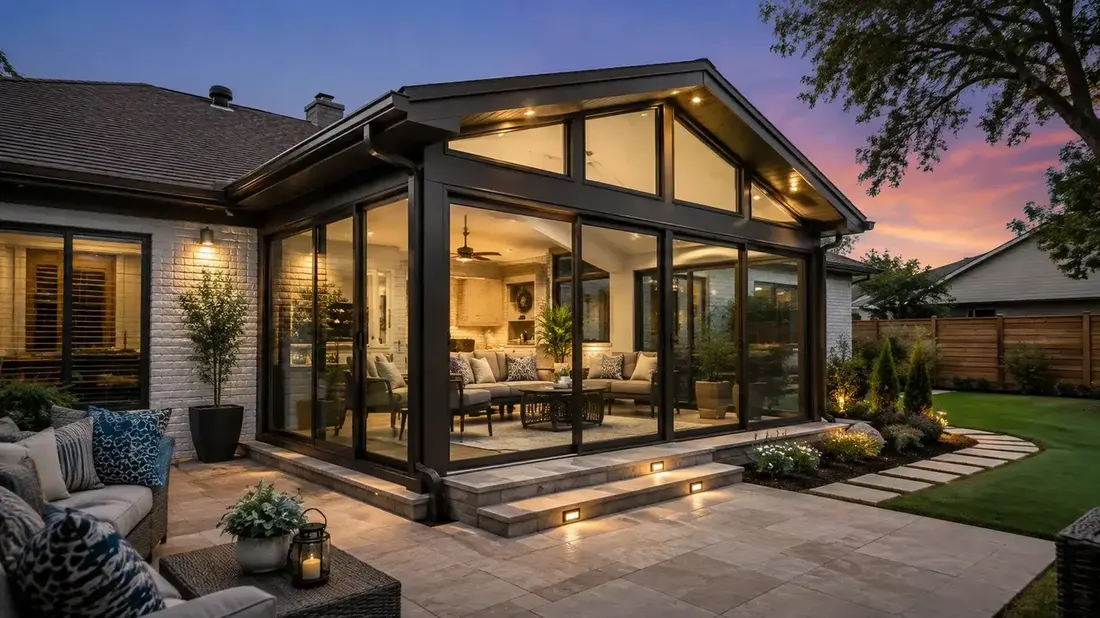
| All-season sunroom, permitted and conditioned | Another living room | May count it as living area if it meets the standards used |
| Converted patio with no permit | A question mark | May not credit it, and may raise concerns |
Which sunroom details help or hurt at sale?
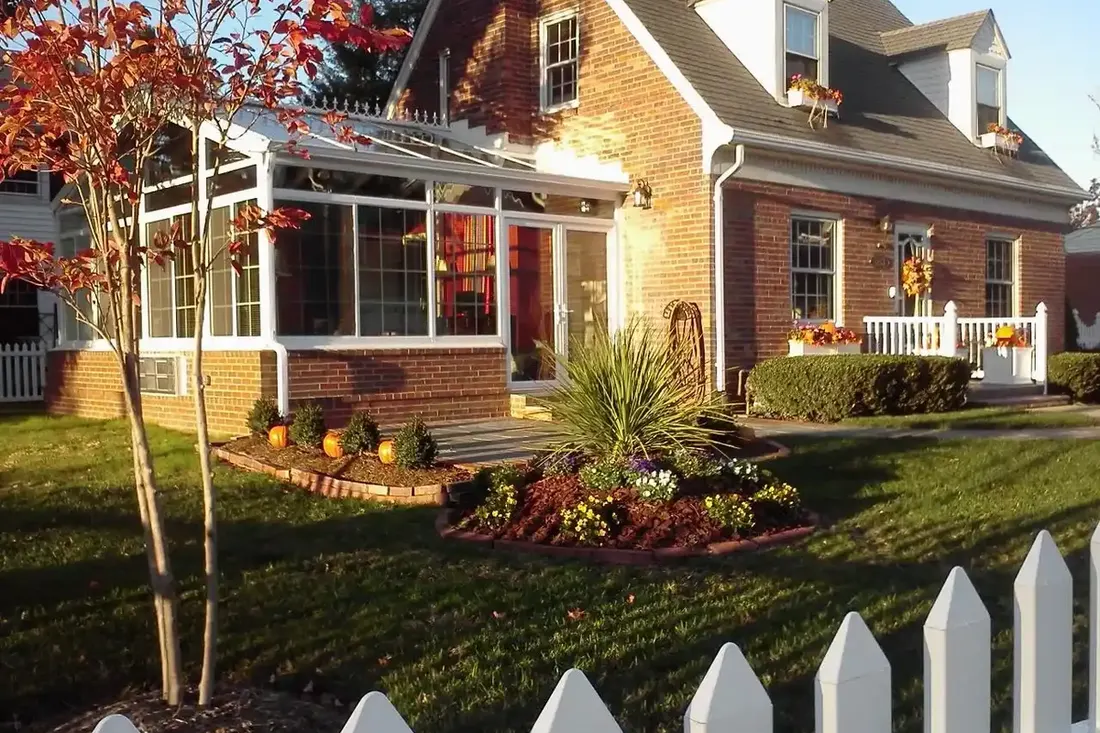
Documentation and condition. A buyer’s inspector will look for leaks, fogged glass and a room that does not match the house. A seller who can show a closed permit, a clean roof joint and a working cooling system has an easier conversation. The lists show what tends to help and what tends to hurt.
- Helps: a permit that was closed out and the paperwork to prove it.
- Helps: frames, roof and trim that match the house, so the room looks original.
- Helps: a room that is comfortable in July and January, because buyers walk through in both.
- Hurts: an unpermitted room, since a buyer’s lender or inspector may ask about it.
- Hurts: water stains at the roof joint or fogged glass, which look like deferred repairs.
- Hurts: a hot room with unshaded west glass, which feels like a mistake rather than a feature.
Our post on how a sunroom compares with other additions looks at the choice from the project side, and patio enclosures and value covers the lighter options.
How does a Texas summer affect how buyers see a sunroom?
Heavily, because many showings happen in summer. A buyer who steps into a glass room on a hot afternoon notices the temperature before the view. After a long summer like 2023, many shoppers know what a hot glass room feels like. A room with good shade and glass chosen for the wall it sits on will feel like an asset on that walk-through, while a hot, glaring one will feel like a project.
That is one more reason to plan shading and cooling when you build. It is much easier to tell a buyer about a comfortable room than to explain why you never use yours in August.
Records worth keeping
- The permit and the final inspection record.
- The written scope and the product names for the glass, frame and roof.
- Warranty papers for the product and the labor.
- Any manuals for the heating and cooling equipment.
- Photos of the slab and roof joint during construction, if you have them.
How do you check what a sunroom might add where you live?
Ask a local agent for recent sales of homes with and without a similar room in your area. Frisco, Plano, Arlington and Dallas are different markets, and what sells in one may not in another. Then look at your own county’s records. The Dallas Central Appraisal District publishes property data online, which shows how comparable homes are described.
Permit status matters at sale. Cities post their residential permit pages online, and Frisco and Dallas are two examples. Our permit guide lists what to ask. A sunroom that was built without a permit may need to be sorted out when you sell, and that is easier now than later.
Should you build a sunroom mainly for resale?
If resale is a real part of your thinking, a few choices keep your options open. Pick frames and a roof that match the house, because a room that looks original is easier to sell. Choose glass for the wall it sits on. Ask the builder to put the scope in writing, since a clear paper trail helps whoever owns the house next.
No. Build it for the way you will use it. A room that you enjoy for years and that sells reasonably is a good outcome. A room built only for a future buyer is a risky bet, because tastes and markets change. If your plan is to sell within a short time, ask a local agent whether other upgrades make more sense.
American Eagle Builders is a family-owned exterior remodeler in Arlington, working across Dallas–Fort Worth since 1984. We install Four Seasons sunrooms, and we offer free in-home estimates. See our all-season sunrooms to compare the type most likely to count as living space.
Questions we get asked about this
It can, but by an amount nobody can promise. A permitted, well-built, heated room that matches the house helps most. An unpermitted or leaky room can hurt. Ask a local agent about comparable sales in your area.
Often only if it is finished and heated and meets the standards an appraiser uses. A screen room or an unconditioned glass room may not count. Ask an appraiser how a room like yours would be treated before you build.
An all-season sunroom that is permitted and conditioned is most likely to count as living space and to feel like a true room to a buyer. A screen room is a nice feature, but it usually does not add square footage.
Yes. A buyer’s inspector, lender or agent may ask about it, and sorting out a missing permit during a sale can delay it. Check with your city before you build and keep the closed permit with your house records.
American Eagle Builders installs sunrooms across Dallas–Fort Worth and offers free in-home estimates. We build them for use, and we cannot promise a resale figure. We can explain which type is most likely to count as living space.