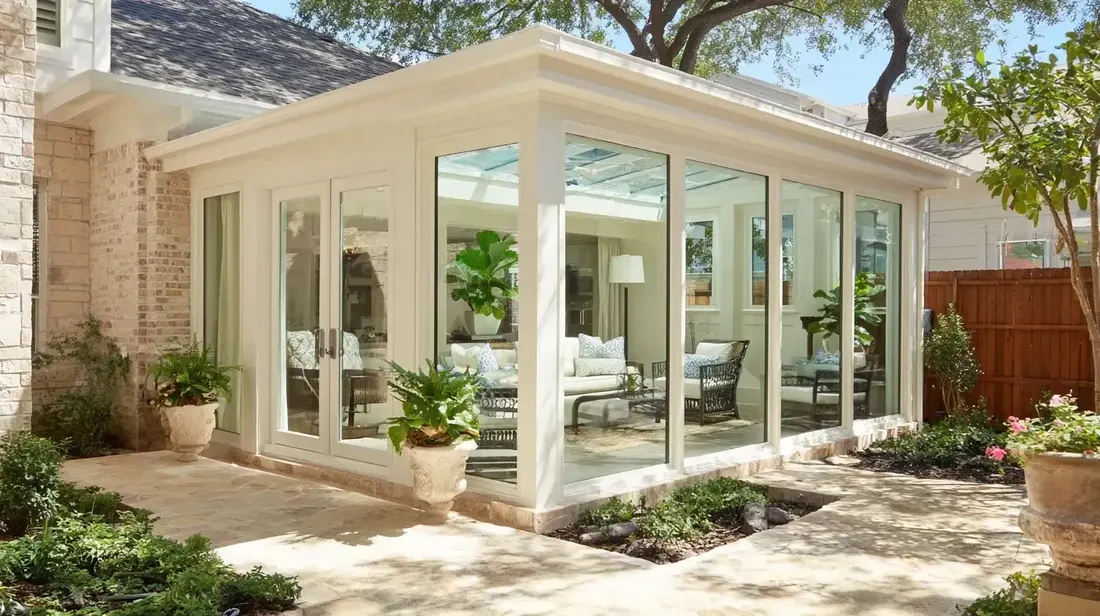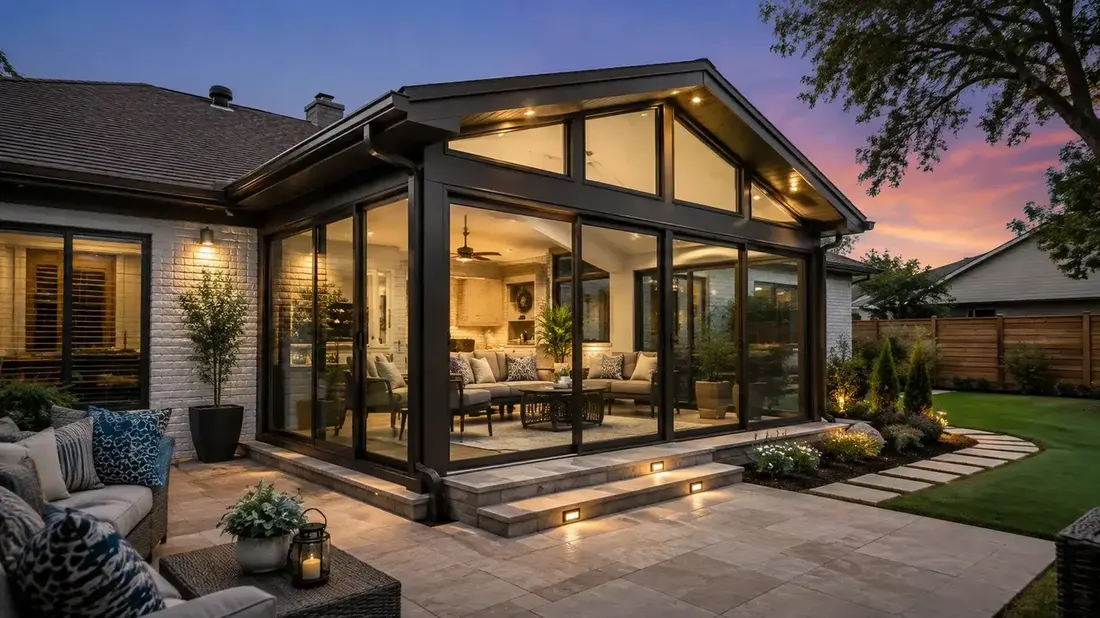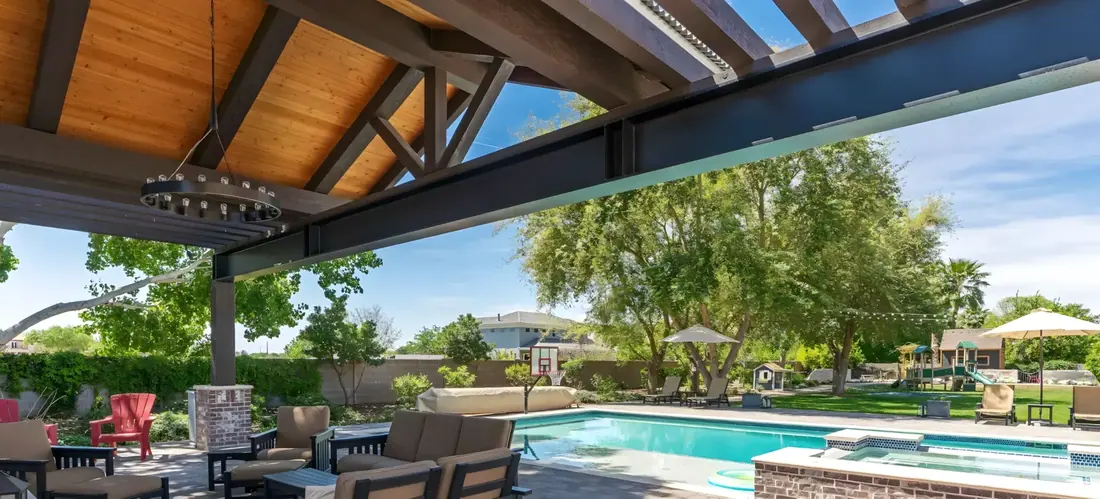
An outdoor living addition is a structure that adds usable space outside the walls, such as a patio cover, a pergola or a sunroom. Outdoor living additions can make a house easier to sell, but no one can promise they raise its value by a set amount. Here is how to judge each one without a made-up number.
The short answer
- No honest builder can promise a specific resale return for a patio cover, pergola or sunroom.
- Judge an addition by how many months you will use it, what it asks in upkeep and how it fits the house.
- Buyers notice condition, finish and whether the work was permitted.
- A sunroom adds the most year-round space but also the most heating and cooling to manage.
- Skip additions that overwhelm the lot or fight the style of the house.
Ask ten people whether a patio cover adds value and you will hear ten confident answers. None is guaranteed. A house sells for what a buyer will pay on the day, and an addition is only one part of that picture. This post gives you a way to judge an addition on what it does for you, and what it may do for a sale.
Do outdoor living additions really raise a home’s value?
They can help a house sell, but the amount depends on the house, the street and the market. No honest builder can promise a percentage. What an addition reliably does is give you more usable space now, and give a buyer a reason to like the yard when they see it.
For national figures on what remodeling projects tend to return, the trade press publishes an annual Cost vs. Value report, such as the 2025 edition. It covers projects and regions in general, so use it to see which kinds of projects matter, not to predict your sale. Your county appraisal district, such as the Dallas Central Appraisal District for Dallas County, keeps your property’s records, which may show added structures.
How do you judge a patio cover, a pergola and a sunroom?
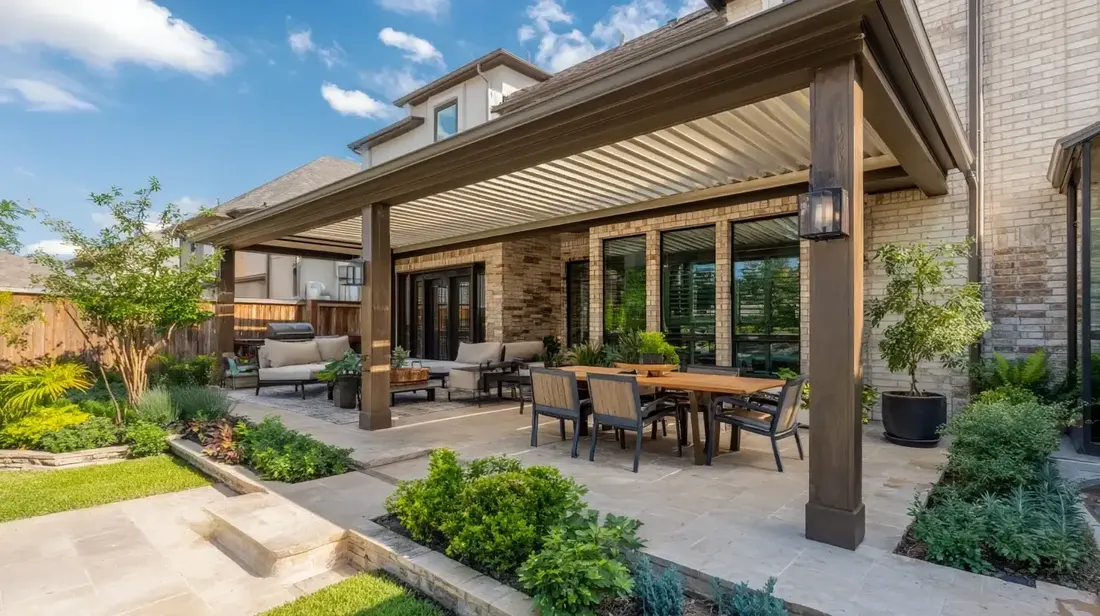
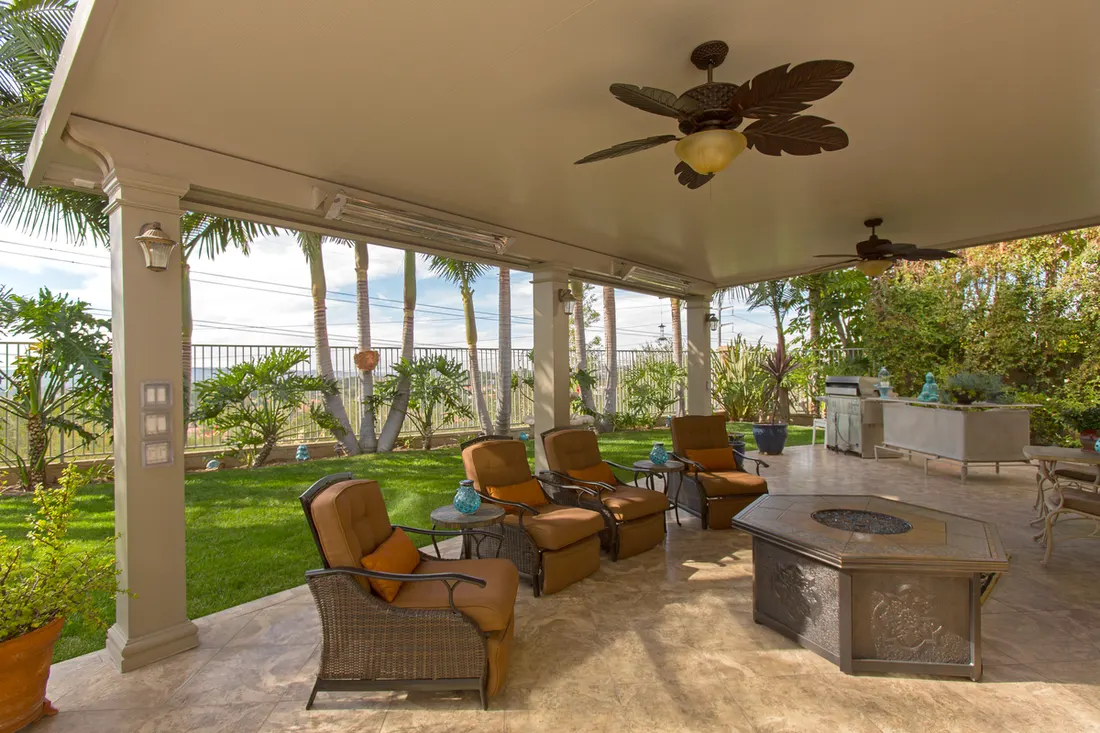
Judge each by how many months a year you would use it, what a buyer sees and what it asks of you in upkeep. A sunroom is conditioned, so it adds the most living space. A cover and a pergola add shade and structure outdoors. The table compares them without inventing a figure.
| Addition | What a buyer sees | Months of use | What it asks of you |
|---|---|---|---|
| Patio cover | A shaded, sheltered patio tied into the roofline | Most of the year, with a fan | Clear gutters, check flashing |
| Pergola | A defined outdoor room with filtered shade | Spring, fall and summer evenings | Stain on wood, little on metal |
| Louvered pergola | Adjustable shade and some rain cover | Wider than an open one | Motors and moving parts |
| Sunroom | Extra finished space with glass walls | Every month, if conditioned | Heating, cooling and cleaning |
Our posts on sunroom resale value and how a sunroom compares with other additions go further into that last row. You can also read about the options on our patio covers page.
What do buyers look at beyond the addition itself?
They look at condition, finish and fit. An addition that matches the house, is well built and is in good shape helps. One that is tired, mismatched or in poor repair can hurt. Photographs of the yard often come early in a listing, so a tidy, shaded patio can matter as much as the kitchen.
Buyers also notice whether the work was permitted. Cities differ on what they require, so check with yours before you build. Our post on whether you need a permit for a patio explains the usual questions. Work done without the right permit can raise questions when you sell.
When is an outdoor addition a poor bet for value?
When it is bigger or fancier than the house and street can carry, or when it takes the whole yard. A large cover on a small lot can leave no lawn. A sunroom on a house that is already tight on budget may not pay back. Add for how you will live, not for a spreadsheet.
- Skip a sunroom if you will not heat and cool it, because an unused glass room is the most expensive way to store boxes.
- Skip a very large cover on a small yard, since a buyer may want the lawn.
- Skip a style that fights the house, such as a modern frame on a traditional brick home.
- Skip any work you are not willing to permit.
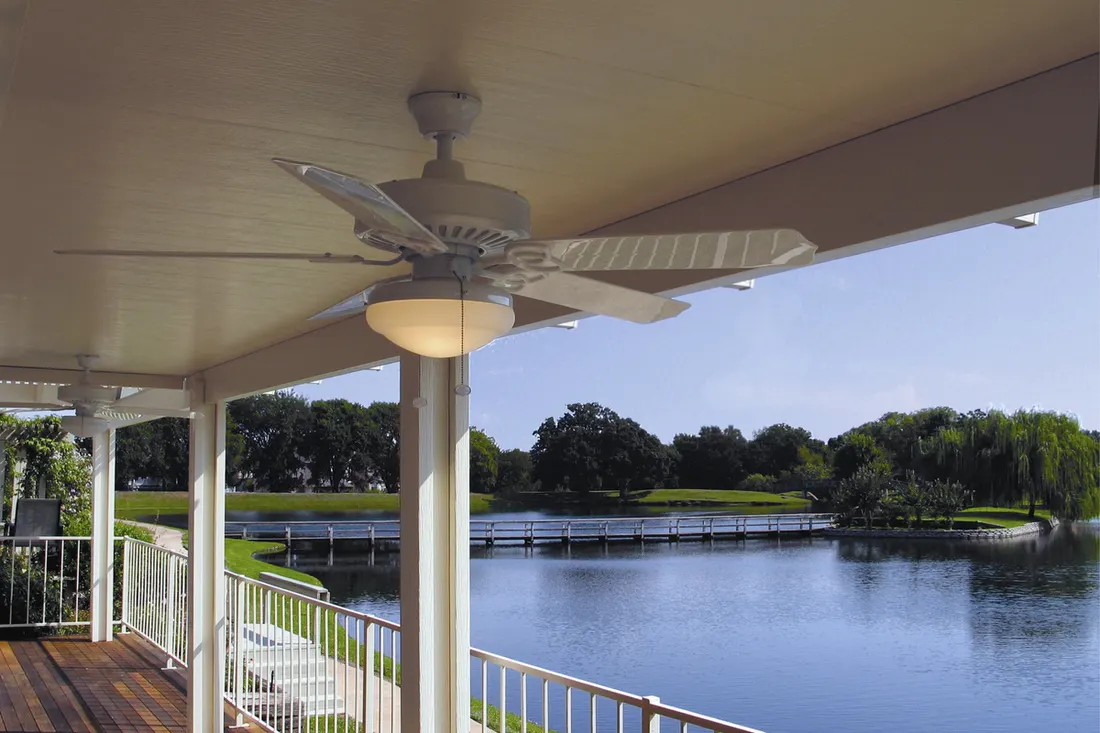
Small, practical details sometimes matter more than size. A ceiling fan, good lighting, a place to sit in the shade and a view you can enjoy from it are things a family will notice in a showing. Think about daily use first. In Frisco and Plano, where yards are often flat and fenced, sizing a cover to leave some lawn tends to feel right.
How do you size an addition to the house and street?
Start from the house and the lot, not from a catalog. Look at the roofline, the brick or siding, the size of the yard and what the neighbors have. An addition that looks like it was always part of the house reads as value, while one that looks bolted on reads as a project.
- Walk the yard and note where the sun and the wind come from.
- Check the roofline and match the roof pitch and trim colors where the addition meets the house.
- Leave room for a lawn, a path or a planting bed so the yard keeps its balance.
- Ask your city and any neighborhood association what approval is needed.
- Keep the drawings, permits and receipts together, so the next owner can see what was done.
Southlake lots tend to be large and come with an association review, while Coppell is mostly built out, so work there is often a replacement of something old. The right size and the right approvals differ from town to town, which is why we visit the property before we talk about a design.
How do you keep value in mind while you plan?
Keep it simple. Choose an addition you will use, match it to the house, build it to the local wind and soil, permit it and keep records. A well-documented, well-kept project is easier to sell than a loose one. We would rather tell you a project is not worth it than sell you one, and we are a family company in Arlington.
American Eagle Builders offers free in-home estimates for covers, pergolas and sunrooms across Dallas–Fort Worth. We look at the yard, the house and how you live, and tell you what fits. See our sunrooms page or book an estimate.
Questions we get asked about this
They can make a house easier to sell by adding a usable, shaded outdoor space. No one can promise a specific increase. The value depends on how well it is built, how it fits the house and the market on the day you list.
A sunroom adds conditioned living space, so it can be used year-round, but it is a bigger project. A cover adds shade and shelter outdoors. Which is worth more depends on your house, your budget and how you will use the space.
Only if you also want to use it, and only if the budget and timing make sense. Small repairs and a tidy yard often matter more before a sale. Talk to a local real estate agent about your own street.
It may be recorded as an added structure, depending on your county and the type. Check with your county appraisal district for how additions are listed. We cannot predict a tax change, so ask before you build.
Think about how many months a year you will use the space, which way the patio faces and how much upkeep you want. At a free in-home estimate American Eagle Builders looks at the yard and recommends the one that fits.