Patio cover materials are the frame and roof you build over a slab. A patio itself is a paved surface, so wood is only one choice among several. Wood, aluminum, steel, vinyl and insulated panels all work in Texas. They differ in upkeep, noise, heat and how they age.
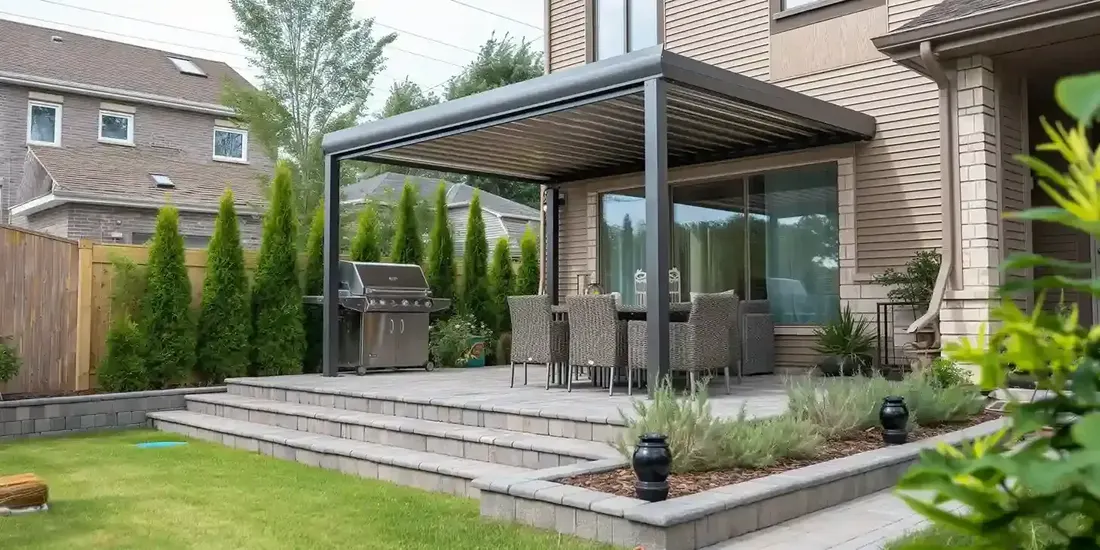
The short answer
- A patio is a paved surface, and wood is only one option for the cover over it.
- The roof material matters more for heat than the frame material does.
- Wood asks for the most upkeep, so choose it only if you will keep up the finish.
- Insulated panels have foam between two skins and make rain quieter and heat lower.
- Soil and city rules change how a cover is anchored more than they change the material.
A common question is whether a patio is made only of wood. It is not. A patio is the paved surface beside the house, usually concrete, pavers or stone. The wood idea comes from decks and from the frame people build over a patio. This post is about that frame and roof, because that is where the material choice really matters.
What materials can a patio cover be made from?
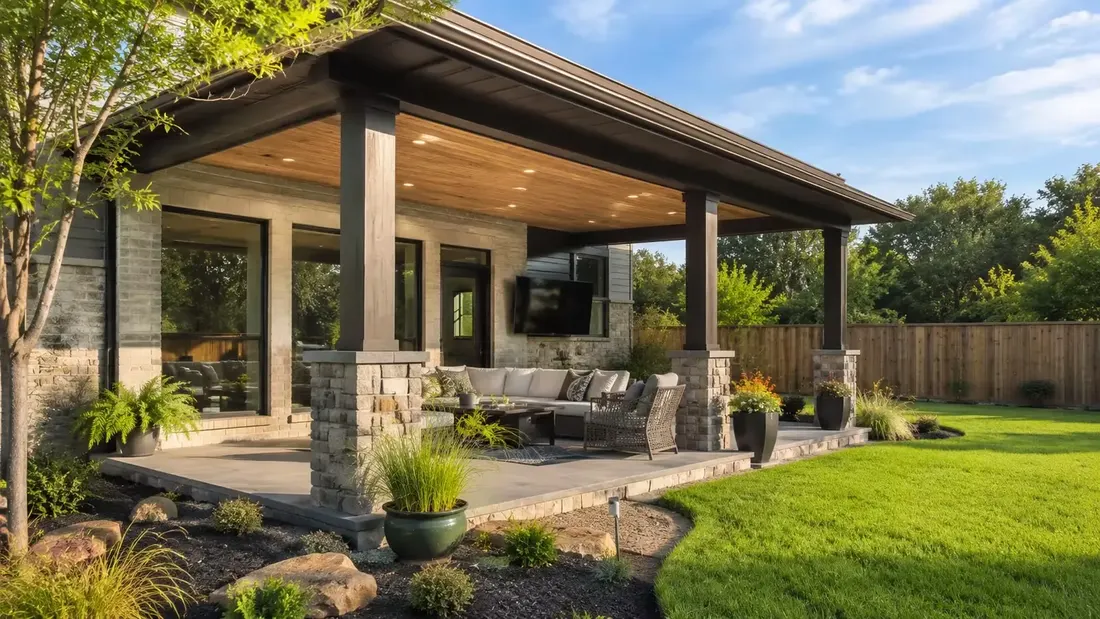
The main choices are wood, aluminum, steel, vinyl and insulated panels. The frame and the roof are often different materials, so you choose two things. Each material trades upkeep, looks and heat control in its own way, and the table below puts them side by side for a North Texas yard.
| Material | Strength | What to watch for in Texas |
|---|---|---|
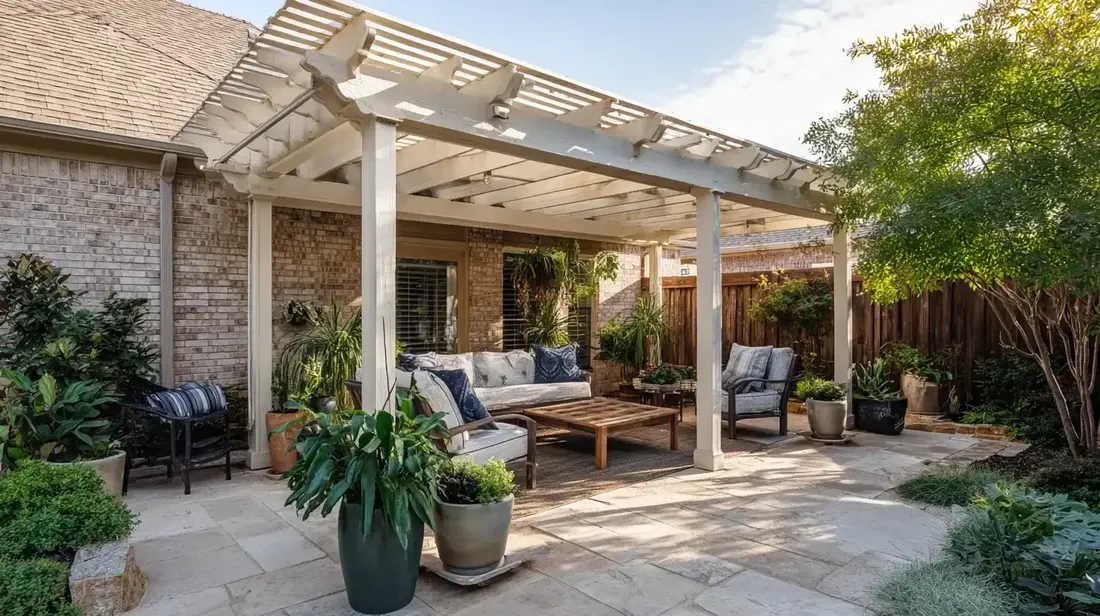
| Wood | Warm look, easy to shape to the house | Sealing or staining on a schedule; posts must stay off wet ground |
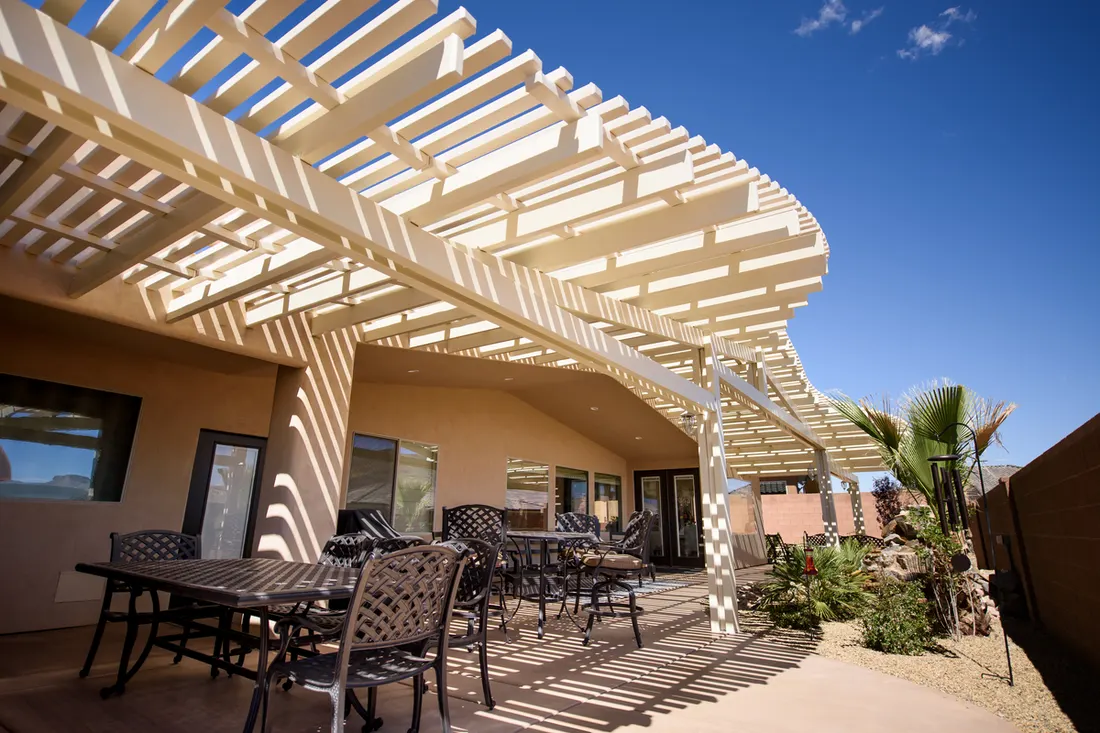
| Aluminum | Does not rust or rot, light to handle | Dents more easily than steel; finish quality varies |
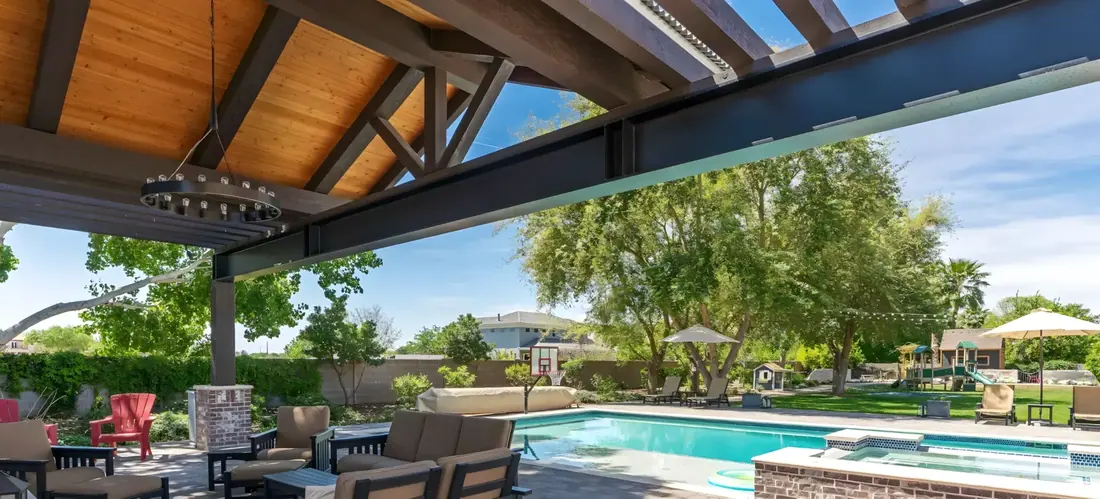
| Steel | Strong spans with slim posts | Rust if the coating is damaged and water sits |
| Vinyl | Low upkeep, no painting | Color and quality vary; ask how it handles heat |
| Insulated panel | Foam between two skins, quieter in rain | A solid roof, so less sky; plan lights and fans early |
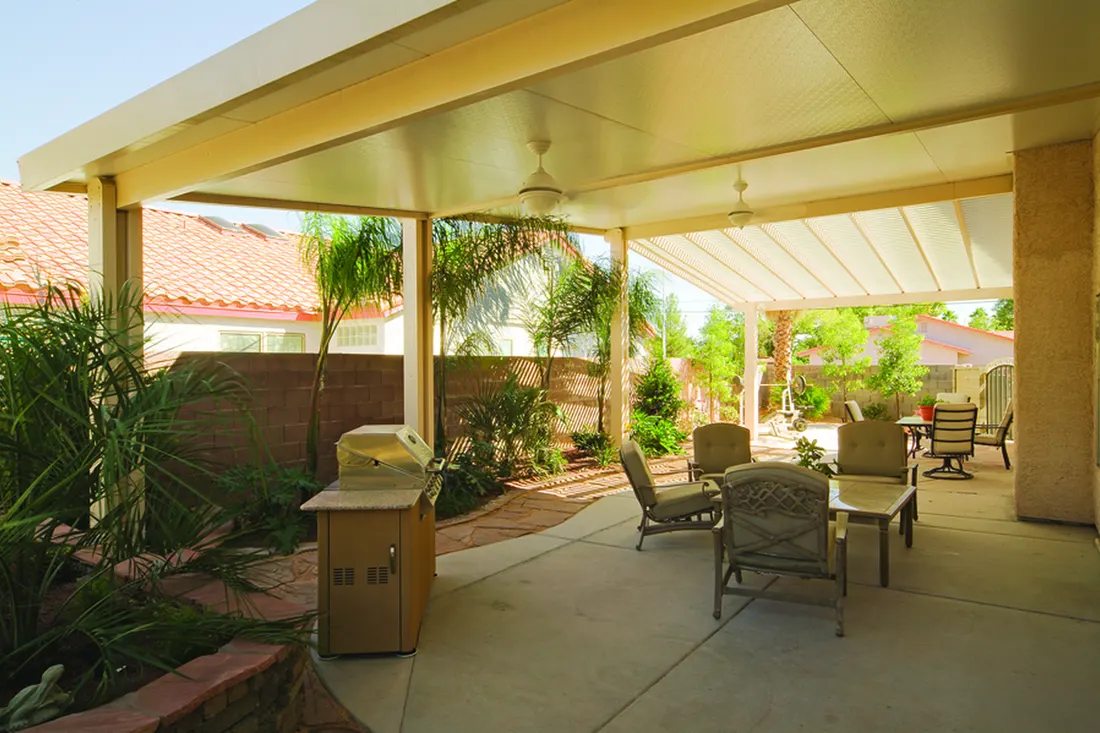
Wood: lovely, but honest about the chore
Wood suits a craftsman look and blends with trees. In Texas it also takes a beating from sun, wet spring weather and summer drying. It needs a finish on a schedule, and the finish is the first thing to go. If you will not do that work, do not choose wood. Our post on maintaining a patio cover in Texas shows what the upkeep looks like.
Posts matter most. Around Dallas and Plano the clay holds water in a wet spring, so the base of a wood post that sits in damp ground rots first. A good design keeps the post end off the soil on a metal standoff. Ask your builder how each post meets the ground before you agree to the material.
Which patio cover material handles Texas heat best?
The roof matters more than the frame. A bare metal roof can run hot and ring in a downpour. An insulated panel has foam between two skins, so less heat comes through and heavy rain is quieter. A lighter color reflects more sun, which the EPA’s heat island page touches on for roofs and paving.
In a long hot summer like 2023, the seat under a thin, dark roof facing west is the first one people give up on. If your slab faces that way, pay more attention to what is above you than to what the posts are made of. Our insulated patio covers page explains how the panel roof works.
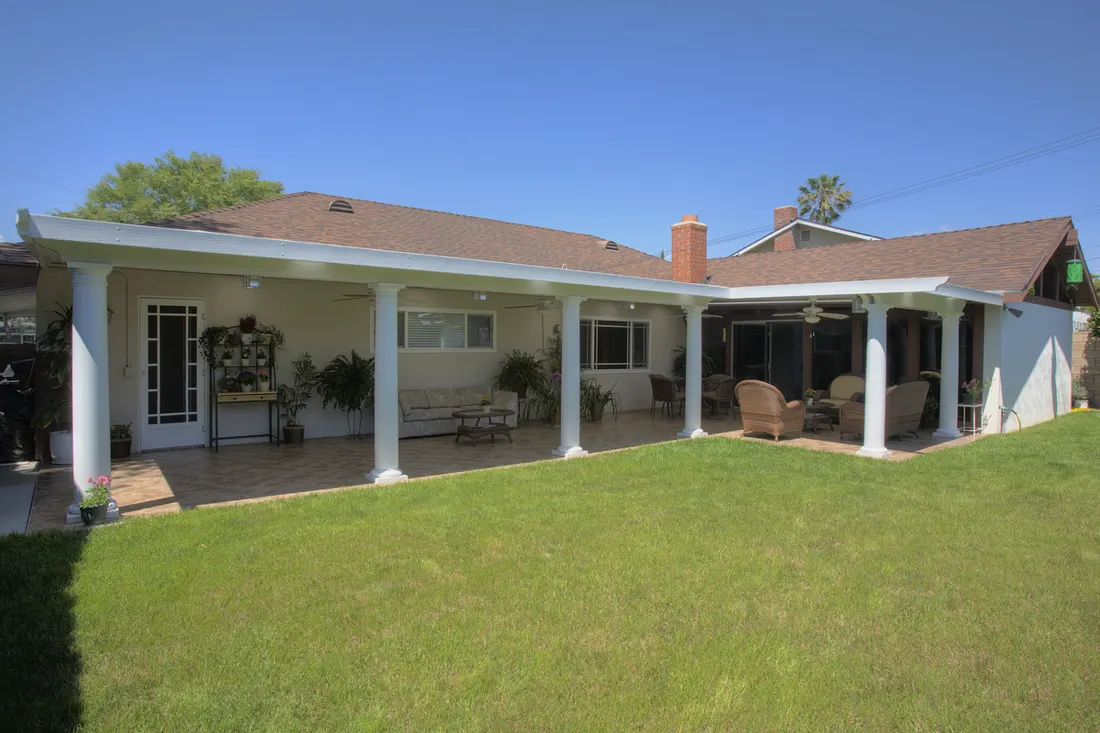
Which material takes the least upkeep?
Aluminum, vinyl and insulated panels ask for little: a wash, a check of the fasteners and a look at the finish. Wood asks for the most. Steel sits in the middle, as long as the coating is sound. None of them is free of care, and every cover is better for a seasonal check. Our guide to extending the life of a patio cover or pergola has a plan.
- Wood: refinish on a schedule and watch the post bases.
- Aluminum: wash, check the finish and the fasteners.
- Steel: touch up chips right away so rust cannot start.
- Vinyl: wash and check that panels are tight.
- Insulated panel: clear gutters and check seams and fasteners.
What about the patio surface under the cover?
That is a separate choice, and a good one to make at the same time. Concrete is flat and simple to clean. Pavers and natural stone look richer but can shift if the ground moves. Wood decking is its own structure with its own upkeep. Whatever you choose, the cover posts need footings that go below the slab, not just on top of it.
If you are adding a cover to a slab that already exists, have it checked first. Cracks, a slope toward the house or a thin edge can all limit where posts may go. It is much cheaper to find that out on paper than after the posts arrive.
Does your soil or city change the material?
It changes how you anchor more than what you pick. Fort Worth sits on shallow soil over limestone, so footings may need to be drilled into rock. Clay in Dallas, Plano and Frisco moves with the seasons, so footings are sized for that. Your city may also require a permit, which Fort Worth and Plano post online.
Many cities build their rules on the International Residential Code. The International Code Council posts a copy of the 2021 edition. Cities adopt their own versions, so your city’s rules are what count. The material you choose also has to suit the loads your frame will carry.
How do you pick a material for your own patio?
Start with how much upkeep you will really do, then which way the slab faces, then looks. A west-facing slab and a busy family point toward insulated panels or aluminum. A shaded yard and a love of woodwork point toward wood. Pick the one you will keep up, not the one that looks best on day one.
American Eagle Builders, a family-owned remodeler based in Arlington, has worked across Dallas–Fort Worth since 1984. We can talk through frames and roofs at a free in-home estimate, and we can show you how each option meets your house, your slab and your sun.
Questions we get asked about this
No. A patio is a paved surface, usually concrete, pavers or stone. Wood is one option for the frame or roof over it, along with aluminum, steel, vinyl and insulated panels. Deck-style wood is a separate idea from a patio slab.
Aluminum, vinyl and insulated panels ask for the least care, usually a wash and a seasonal check of the fasteners and finish. Wood asks for the most, because it needs refinishing on a schedule. Every cover still benefits from a yearly look.
Aluminum is easier to live with, since it does not rot or rust. Wood has a warmer look and is easy to shape, but it needs sealing and watching at the post bases. Choose wood only if you will keep up the finish.
It has foam between two skins, so less of the sun’s heat passes through and heavy rain sounds quieter than on a bare metal roof. It is a solid roof, so you lose some sky, and lights and fans should be planned while the cover is built.
Yes. American Eagle Builders is a family-owned remodeler based in Arlington, with 90 DFW cities in its service area. We offer free in-home estimates and can explain how each frame and roof option would meet your house, your slab and the afternoon sun.